The Minister of Power, Joseph Tegbe, has urged stakeholders across Nigeria’s electricity value chain to work together to address the country’s persistent power challenges, stressing that sustainable solutions require collective action.
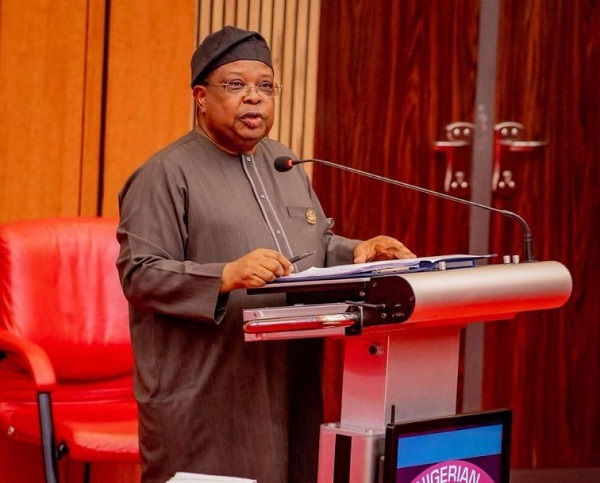
Speaking at the second quarterly Nigerian Electricity Supply Industry (NESI) stakeholders’ meeting organised by the Nigerian Electricity Regulatory Commission (NERC), Tegbe presented his ministerial action plan for stabilising and expanding the power sector.
He emphasised that resolving the electricity crisis demands cooperation from all players in the industry.
“Nigeria’s power crisis was not built by one hand, and it will not be fixed by one hand,” he said.
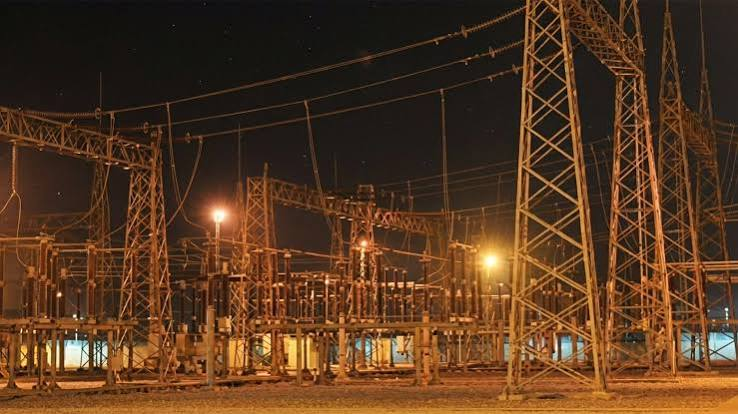
The minister also called for power infrastructure to be officially classified as critical national assets, describing vandalism, grid sabotage and energy theft as acts of economic warfare against the country.
According to him, efforts to protect existing infrastructure must go hand in hand with measures to improve operational efficiency. He noted that transmission bottlenecks, spinning reserves and priority substation relays are currently being addressed to enhance grid reliability in the short term.
On electricity billing, Tegbe said estimated billing has unfairly burdened consumers while contributing to systemic losses within the sector. He disclosed that the ministry is working with stakeholders to accelerate the rollout of prepaid meters and reduce Aggregate Technical, Commercial and Collection (ATC&C) losses.
He added that the government is also developing a sustainable tariff transition framework that will shield vulnerable consumers from sharp price increases while providing investors with the certainty needed for long-term investments.
Tegbe maintained that tariff reforms can only succeed if payment compliance is enforced across the sector. He also called for greater transparency in the calculation of Derived Remittance Obligations, insisting that confidence in the electricity market depends on openness and accountability rather than opaque processes.