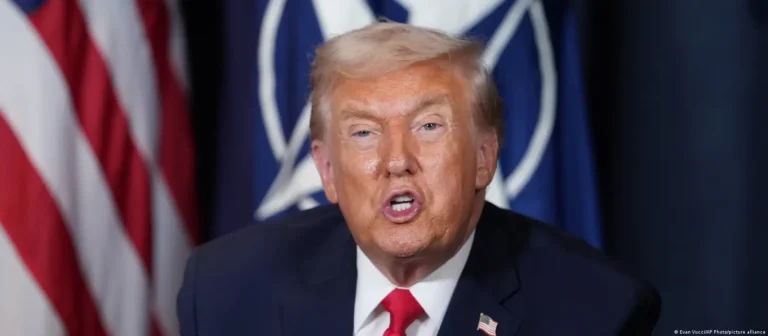
As President Donald Trump renewed criticism of European allies over their support during the conflict with Iran, NATO Secretary-General Mark Rutte responded by highlighting what he described as the alliance’s growing investment in collective defense.
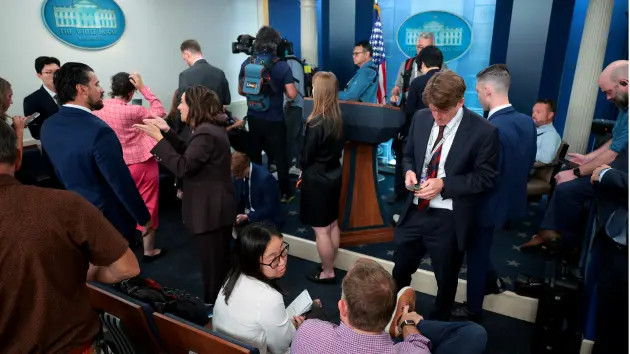
Appearing before reporters, Rutte praised Trump’s influence on NATO’s defense spending and unveiled display boards featuring the headline “The Trump Trillion,” pointing to what he said was an additional $1.2 trillion (€1 trillion) in defense spending by European allies and Canada since Trump first took office in 2017.
“I want to show you what this president was able to achieve,” Rutte told journalists, crediting increased military investment among NATO members to sustained pressure from the U.S. administration.
His remarks came just days before NATO leaders are scheduled to gather in Ankara, Turkey, for the alliance’s annual summit on July 7, where leaders from the bloc’s 32 member states are expected to discuss security challenges ranging from the conflict in the Middle East to Russia’s ongoing war in Ukraine.
The summit also comes as Washington reviews its military posture in Europe, fueling concerns among several European governments about the future of U.S. commitment to the alliance under Trump.
Rutte seeks to reinforce alliance unity
Analysts say Rutte’s approach has focused on maintaining strong ties with Trump by emphasizing the benefits NATO provides to the United States while showcasing the increased defense commitments made by European allies.
The NATO chief is expected to use the Ankara summit to project alliance unity and avoid public disagreements that could overshadow discussions on collective security.
Claudia Major, a transatlantic security specialist at the German Marshall Fund, said many allied leaders are likely to emphasize NATO’s continued strength while making the case that the alliance remains valuable to Washington.
She said governments are seeking “to please Trump and to make a case for NATO.”
As part of that strategy, Rutte has made defense manufacturing a central theme of this year’s summit.
He is expected to announce what he has described as a “defense industrial revolution,” including tens of billions of dollars in new procurement contracts and initiatives aimed at expanding weapons production across Europe.
According to Major, the objective is to demonstrate that increased European defense spending also benefits American industry.
“The goal is to show that there is a market for U.S. industry and to make an economic case in favor of NATO that Trump hopefully will find attractive,” she said.
The summit is expected to focus heavily on defense investment, military readiness and the future direction of the alliance as member nations seek to present a united front amid an increasingly volatile global security environment.