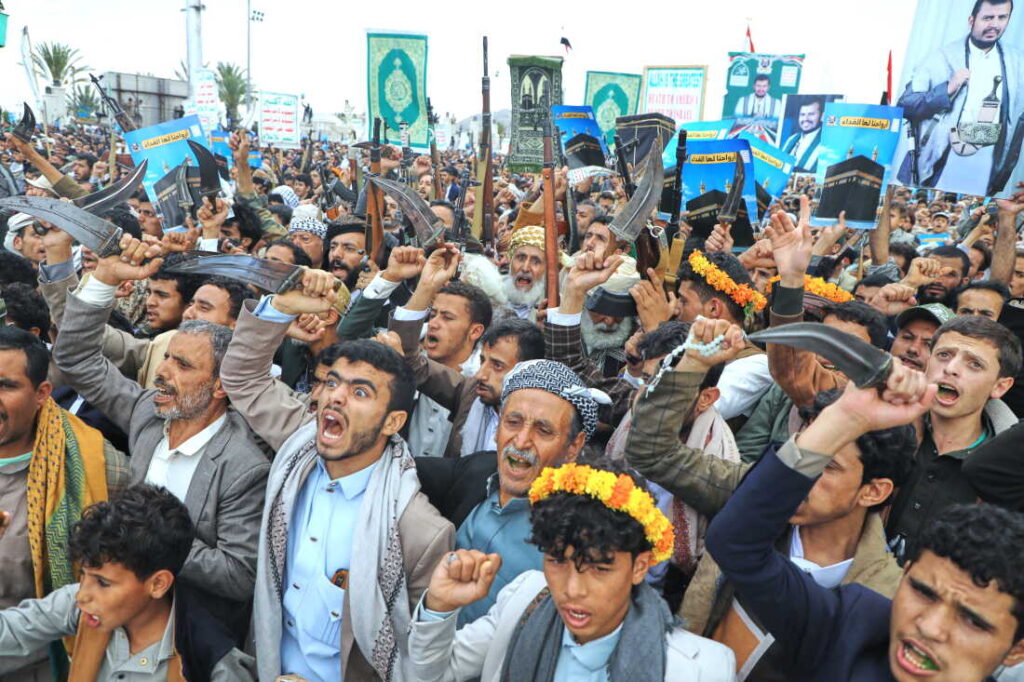
Hezbollah on Thursday dismissed the latest ceasefire arrangement negotiated between Israel and the Lebanese government, insisting that any agreement must include a complete Israeli withdrawal from Lebanese territory.
The rejection came as renewed clashes along the Israel-Lebanon border complicated broader diplomatic efforts aimed at easing regional tensions and advancing negotiations related to the wider conflict involving Iran.
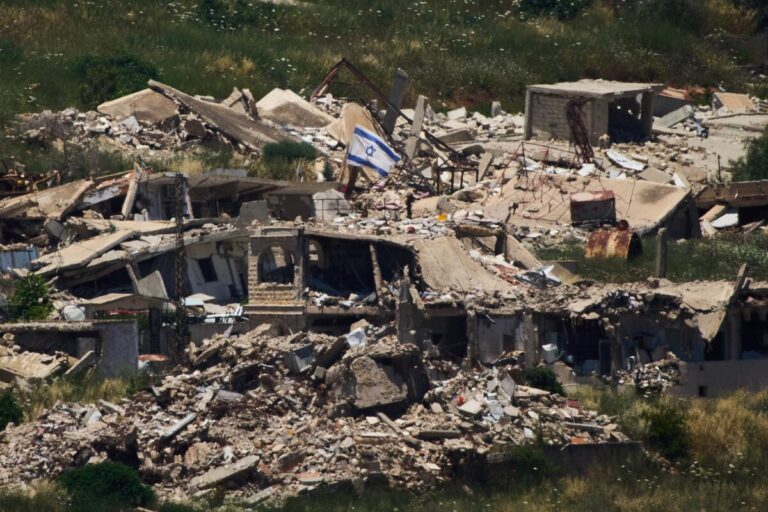
Violence continued across southern Lebanon, where local authorities reported that Israeli strikes killed at least four people. A United Nations peacekeeper was also killed amid the fighting, while Israel confirmed that one of its soldiers died during combat operations in southern Lebanon.
In a televised statement, Hezbollah Secretary-General Naim Qassem strongly criticized the proposed ceasefire terms, describing the negotiations as “absurd, humiliating and insulting.”
Qassem argued that provisions requiring Hezbollah fighters to withdraw from southern Lebanon while military operations continue would effectively amount to a surrender.
He said such conditions would represent “defeat” and would help Israel achieve its strategic objectives.
“Our priority is ending the aggression, securing a ceasefire, and ensuring Israel’s withdrawal,” Qassem said.
He emphasized that Hezbollah has made no commitment to halt its military operations under the current circumstances and maintained that the group would continue fighting as long as Israeli attacks persist.
“As long as our villages are not safe, as long as they continue to be bombed and destroyed and our people continue to be killed, northern Israel will not be safe,” he said.
The latest comments underscore the significant obstacles facing efforts to restore calm along the Israel-Lebanon border, where cross-border hostilities have continued despite repeated international calls for de-escalation.
Diplomatic mediators have been seeking to secure a lasting ceasefire and prevent the conflict from expanding further across the region. However, Hezbollah’s rejection of the proposed framework highlights the deep divisions that remain between the parties and the challenges confronting any broader peace initiative.
The continued violence also threatens to complicate wider negotiations involving regional powers, as international efforts intensify to prevent multiple conflicts in the Middle East from merging into a broader confrontation.