Iran said Thursday it had targeted an American airbase in retaliation for fresh U.S. military strikes, accusing United States forces of violating both the fragile ceasefire between the two nations and international law.
The latest escalation, which also appeared to involve Kuwait, deepened uncertainty surrounding diplomatic efforts to end the conflict and reopen the strategically critical Strait of Hormuz.
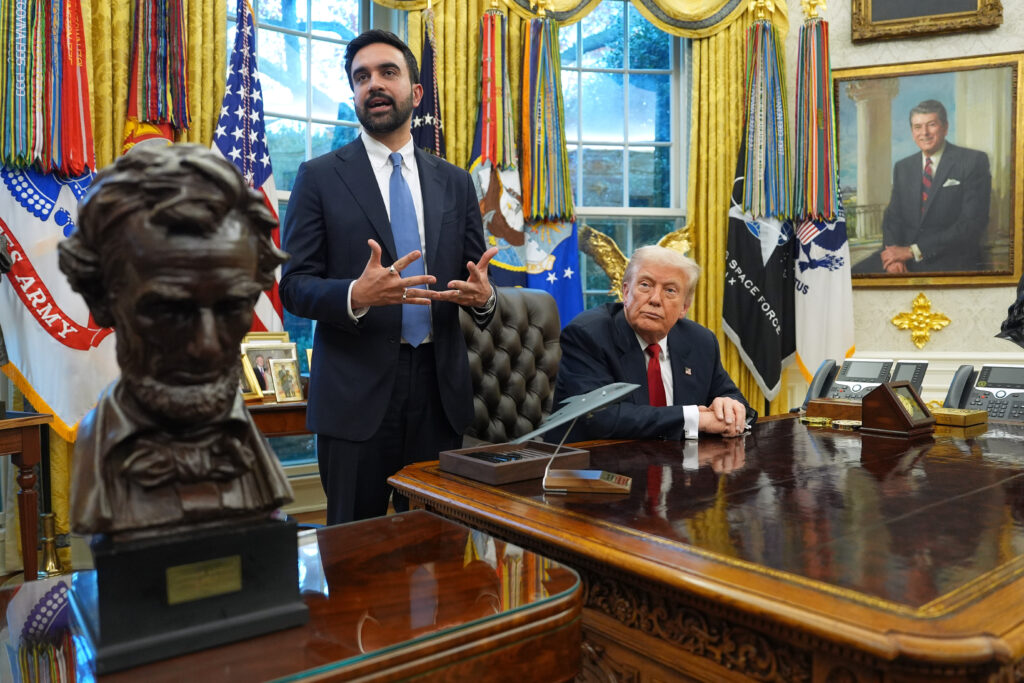
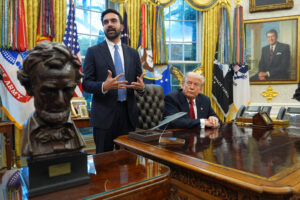
Hours before the exchange, President Donald Trump signaled that a breakthrough agreement with Iran was not imminent and said he would not be pressured into a deal by economic fallout or political considerations ahead of midterm elections.
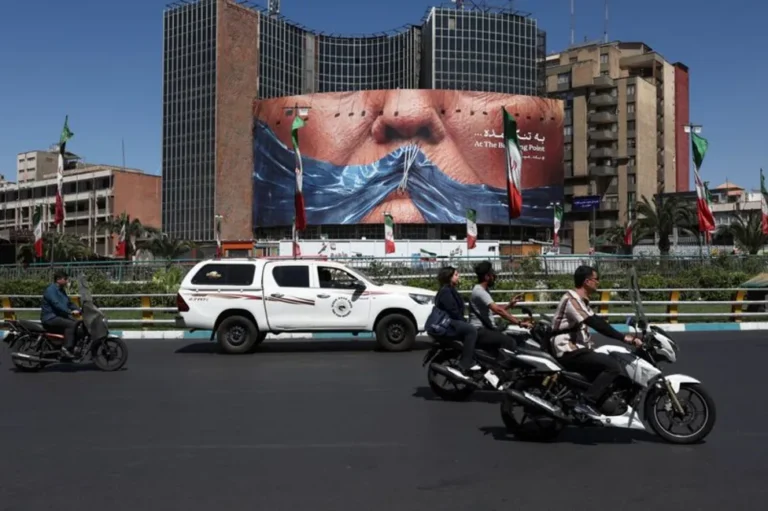
Iran’s continued restrictions around the Strait of Hormuz — imposed following the U.S.-Israeli attacks launched in late February — have disrupted global energy markets, driving up prices for oil, natural gas, fertilizer and other key commodities.
Trump also issued a warning to Oman, cautioning the longtime U.S. ally against cooperating with Iran on control of the strait.
“Oman will behave just like everybody else or we’ll have to blow them up,” Trump said during a Cabinet meeting before adding, “They understand that. They’ll be fine.”
The latest confrontation began after U.S. forces intercepted four Iranian one-way attack drones and struck a drone control station inside Iran that American officials said posed a direct threat to U.S. personnel and commercial shipping.
A U.S. official said the strikes occurred near Bandar Abbas, a key port city close to the Strait of Hormuz. Iranian media also reported military activity in the area and claimed several American vessels attempted to move through the waterway without authorization.
The official described the operation as limited defensive action rather than a return to broader combat operations, saying the targeted control station was preparing to launch a fifth drone.
It marked the second time in three days that the U.S. has conducted what it characterized as defensive strikes against Iran.
Iran’s Islamic Revolutionary Guard Corps later announced that it had retaliated by targeting “the U.S. air base identified as the source of the attack” at approximately 4:50 a.m. local time, according to statements carried by Iranian news agencies.
The IRGC did not specify the location of the base.
There was no immediate confirmation from Washington that any American base had been struck. However, the Kuwaiti military reported that its air defense systems had intercepted “hostile missile and drone threats,” adding that explosions heard in the country were linked to interception operations.
Kuwait hosts a major U.S. military installation that has previously been threatened by Iran and allied groups during the three-month conflict.
The Revolutionary Guard warned that any further U.S. attacks would trigger a “more decisive” response and said Washington would bear responsibility for the consequences.
Iranian Foreign Ministry spokesman Esmail Baghaei condemned what he described as America’s “aggressive actions against Iran’s territorial integrity and national sovereignty,” calling them a “blatant violation” of international law and the existing ceasefire.
Baghaei said Iran remained determined to take “all necessary measures” to defend its sovereignty and territorial integrity.
Speaking Wednesday, Trump insisted that no country would be permitted to dominate the Strait of Hormuz.
“The strait is going to be open to everybody,” he said. “Nobody is going to control it.”
Some observers questioned whether Trump misspoke when threatening Oman, given the country’s status as a peaceful Gulf ally and U.S. free-trade partner. However, the U.S. Department of State later reposted video of Trump’s comments on social media, specifically highlighting the phrase.
Baghaei described Trump’s remarks as “another dangerous sign of the normalization of lawlessness and coercive behavior in international relations.”
The ongoing disruption in the Strait of Hormuz has heightened fears over global energy and food supplies, with oil prices climbing roughly 3% after the latest escalation, reversing earlier declines fueled by optimism surrounding peace negotiations.
Talks mediated by Pakistan and Qatar had reportedly moved close to a framework agreement over the weekend, though negotiations now appear stalled once again.
Iranian state television reported Wednesday that an unofficial preliminary memorandum of understanding had been discussed with the United States.
According to the report, Washington would withdraw military forces from areas surrounding Iran and ease its naval blockade in exchange for Tehran restoring shipping traffic through the Strait of Hormuz to prewar levels within a month.