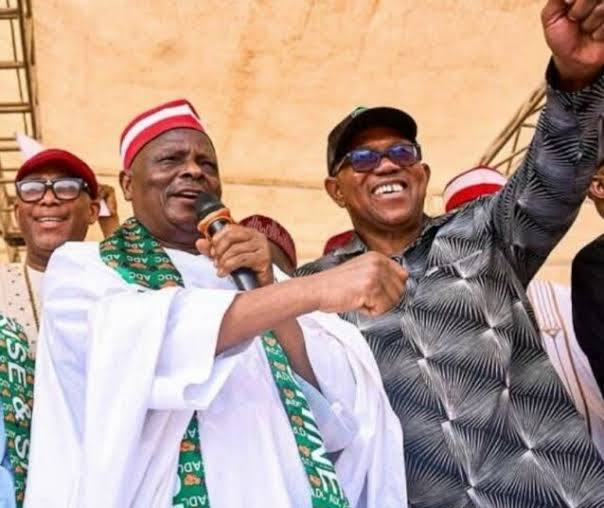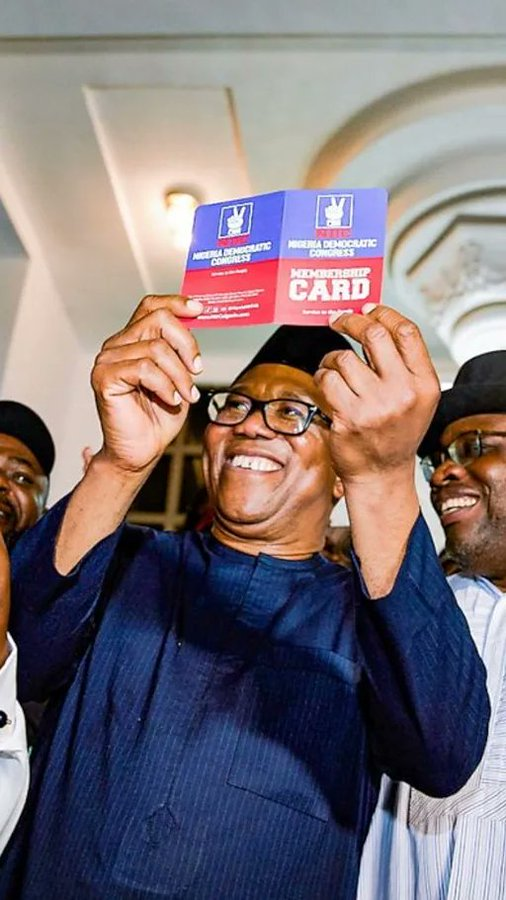
Former Labour Party presidential candidate, Peter Obi, is set to emerge as the presidential flag bearer of the Nigeria Democratic Congress (NDC) after becoming the only aspirant to purchase the party’s Expression of Interest and Nomination forms ahead of the 2027 general election.
The development comes amid deepening divisions within the opposition coalition previously built around the African Democratic Congress (ADC), which initially brought together Obi, former Vice President Atiku Abubakar, and former Kano State governor Rabiu Musa Kwankwaso.
The NDC officially closed the sale of presidential forms on Sunday, with Obi emerging as the sole aspirant for the party’s presidential ticket. However, the party extended by one week the deadline for governorship, Senate, House of Representatives, and State Assembly aspirants.
In a statement issued by the party’s National Secretary, Ikenna Morgan Enekweizu, the deadline for other elective positions was shifted from May 17 to May 24, 2026.
According to the party’s timetable, screening of aspirants will begin on May 19 and end on May 26, while collection and submission of nomination forms for cleared candidates will take place between May 20 and May 26.
The party directed aspirants to appear before screening panels with relevant documents, including academic certificates, voter cards, birth certificates or declarations of age, passport photographs, curriculum vitae, and party membership cards.
The NDC stated that the screening exercise would assess competence, integrity, public acceptability, and local political realities, while also reflecting its affirmative action policy for women, youths, and persons living with disabilities.
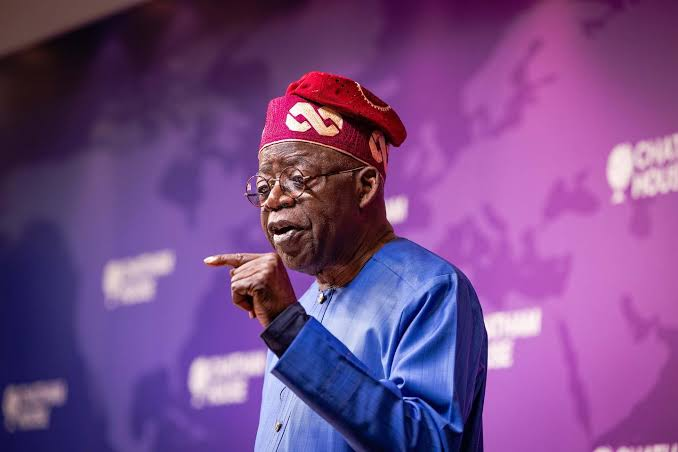
Obi’s emergence as the only presidential aspirant follows months of disagreements that weakened the ADC-led opposition coalition formed to challenge President Bola Ahmed Tinubu and the ruling APC in the 2027 election.
The coalition had initially attracted national attention as opposition figures sought a united platform to avoid a repeat of the divided opposition votes seen during the 2023 presidential election. However, disagreements over party structure, zoning arrangements, leadership control, and the choice of a consensus candidate reportedly created tensions within the alliance.
Obi formally exited the ADC earlier this month, citing internal crises and a lack of cohesion within the coalition. Shortly after his departure, Kwankwaso also aligned with the NDC movement, further weakening the ADC alliance.
With no other aspirant purchasing the NDC presidential form before the deadline, Obi now stands as the leading figure in the party’s 2027 presidential plans, pending the completion of the screening process.