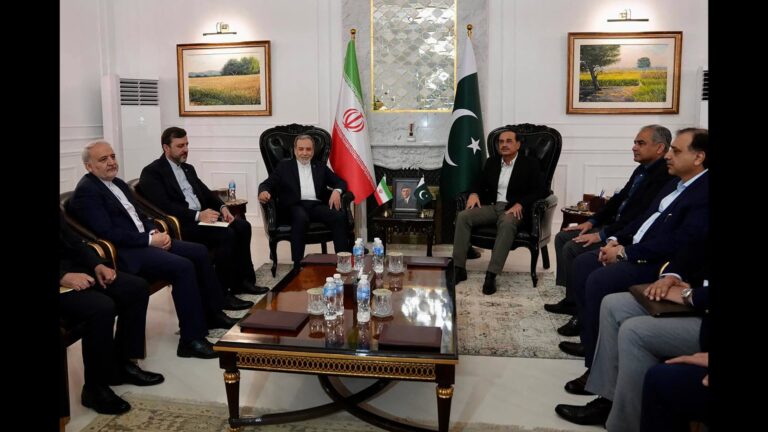
Iranian Foreign Minister Abbas Araghchi met with Pakistan’s army chief Asim Munir on Saturday, as uncertainty grew over the prospects for a second round of direct U.S.-Iran negotiations.
Tehran indicated it does not plan to engage directly with U.S. officials during the latest diplomatic push. Foreign Ministry spokesperson Esmaeil Baqaei said Iran would instead communicate its position through Pakistani intermediaries.
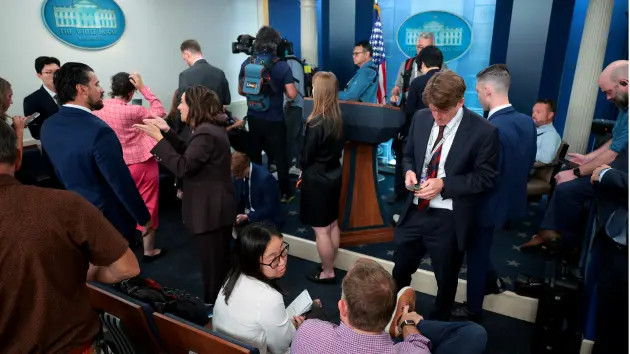
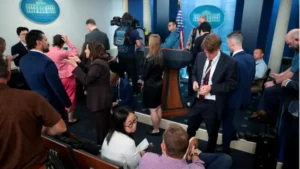
Meanwhile, the White House confirmed that U.S. envoys Steve Witkoff and Jared Kushner are traveling to Pakistan to pursue what it described as “direct talks,” following outreach from Iranian officials. Vice President JD Vance, who led a previous round of negotiations, will not attend.
U.S. President Donald Trump said Iran is expected to present a proposal, though details remain unclear.
Araghchi described his regional tour—including stops in Islamabad, Muscat, and Moscow—as an effort to coordinate with partners and assess developments. U.S. officials said any discussions in Pakistan would likely be mediated by local authorities rather than conducted face-to-face.
A first round of talks held in Islamabad two weeks ago ended without agreement, and a planned follow-up was delayed after Iranian officials signaled they would not participate.
Tensions remain high, particularly over the Strait of Hormuz, where shipping has been disrupted by Iranian threats and a U.S. naval blockade. Trump has said the blockade will remain in place until a broader deal is reached.
The U.S. is also maintaining economic pressure. Treasury Secretary Scott Bessent said Washington does not plan to renew waivers allowing the purchase of Iranian oil, warning that continued restrictions could force Iran to scale back production.
Separately, the Treasury Department imposed sanctions on a Chinese refinery accused of purchasing Iranian oil, underscoring efforts to limit Tehran’s energy revenues.
The diplomatic standoff comes amid a fragile ceasefire announced in early April. While the administration has extended the truce, officials acknowledge that progress toward a lasting agreement remains uncertain as both sides continue to exchange demands and maintain pressure on multiple fronts.