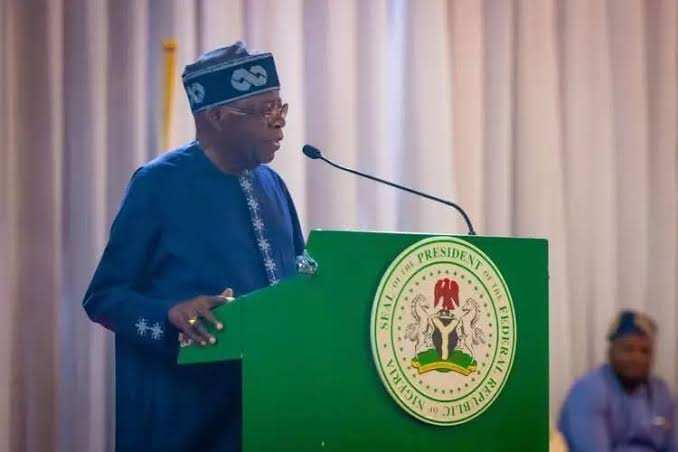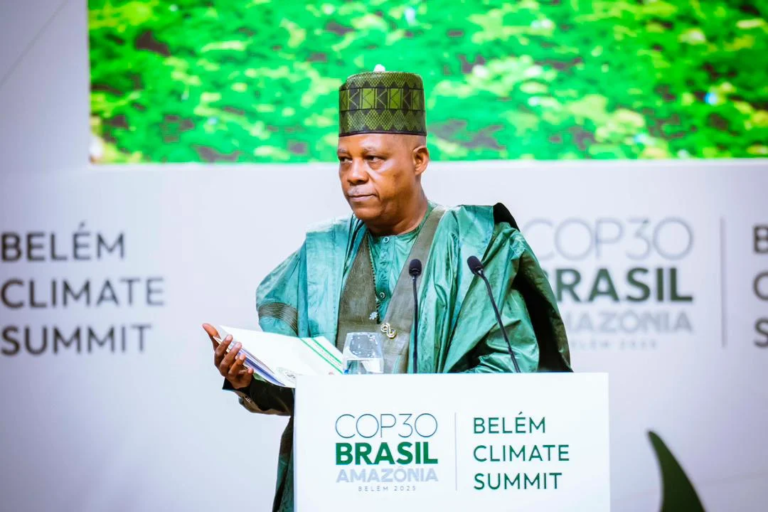
Vice President Kashim Shettima has departed Belém, Brazil, for Abuja after two days of high-level engagements at the 30th United Nations Climate Change Conference (COP30), where he represented President Bola Tinubu.
Nigeria used the global gathering to reaffirm its commitment to leading Africa’s climate response and strengthening efforts to mobilise climate finance for the continent. The conference, convened by Brazil’s President Luiz Inácio Lula da Silva in partnership with the United Nations and global partners, held from November 6 to 7 in the capital of Pará state.
At the Leaders’ Climate Summit, Shettima outlined Nigeria’s renewed climate ambition, describing it as “a solemn national commitment to preserve the planet for future generations.” He also stood in for President Tinubu at the high-level thematic dialogue, “Climate and Nature: Forests and Oceans,” where he delivered Nigeria’s country statement titled “The Rational Soul of Nature.”
The Vice President urged global partners to recognise the economic value of nature and commit to “significant, predictable and equitable” financing for ecosystem protection and restoration. He later participated in the launch of the Tropical Forest Forever Fund, a roundtable chaired by President Lula, and an Amazonian reception for heads of delegation.
On the sidelines of COP30, Shettima advanced bilateral talks on Nigeria’s participation in carbon markets an initiative projected to unlock $2.5 billion to $3 billion annually over the next decade to support national climate objectives.
Speaking with journalists, Special Adviser to the President on NEC and Climate Change, Rukaiya El-Rufai, said Nigeria’s engagements in Belém sent a strong signal of continental leadership. She stressed that Nigeria would continue leveraging its influence within ECOWAS and the African Union to mobilise climate finance and advocate increased funding for adaptation in African countries.
“One thing the whole world will look out for is Nigeria’s leadership in Africa,” she said. “We must galvanise public and private-sector stakeholders to deliver on our Nationally Determined Contributions (NDCs) and make them work for us.”
El-Rufai highlighted Nigeria’s natural endowments oil, gas, and renewable resources as critical assets for achieving climate targets while driving sustainable growth. “Nature and climate are the very home that sustain our economy and quality of life,” she noted. “This is why responsible use of natural resources is critical to ensure sustainability for future generations.”
She emphasised that the Tinubu administration is committed to long-term value creation and resilience in climate and nature sectors. While acknowledging that several countries have yet to submit their NDCs to the UNFCCC, she said Nigeria had already done so. “Many countries have not submitted their NDCs, but Nigeria has. China and the EU just submitted. We are showing leadership with our Climate Change Act and carbon market framework.”
El-Rufai added that COP30 tagged the “COP of Action and Implementation” is expected to drive the operationalisation of NDCs and advance the fulfilment of climate finance pledges, reduced from $1.3 trillion to $300 billion following announcements in Baku.