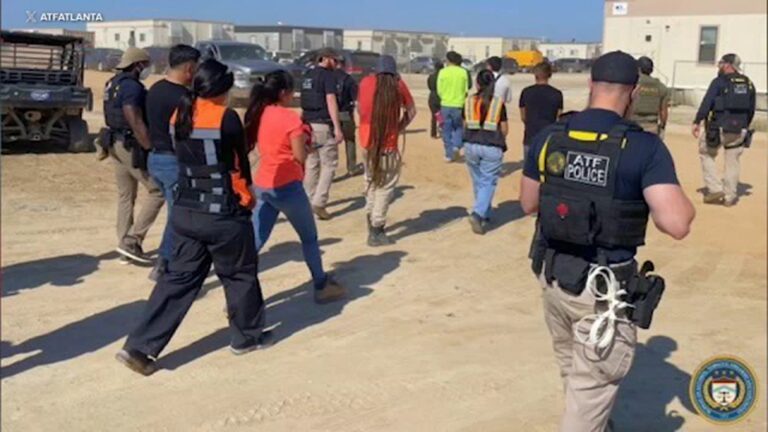
South Korean President Lee Jae Myung has ordered a full-scale government response following the arrest of hundreds of South Korean nationals in a major U.S. immigration raid at a Hyundai-LG battery plant near Savannah, Georgia. The sweeping enforcement action, which took place on Thursday, is now threatening to escalate into a diplomatic flashpoint between Seoul and Washington.
Speaking at an emergency government meeting on Saturday, Foreign Minister Cho Hyun confirmed the formation of a dedicated crisis task force and said he is prepared to travel to the U.S. for high-level talks if necessary.
“I am deeply concerned,” Cho stated. “I feel a heavy responsibility for the arrests of our citizens and will do everything necessary to ensure their rights are protected.”
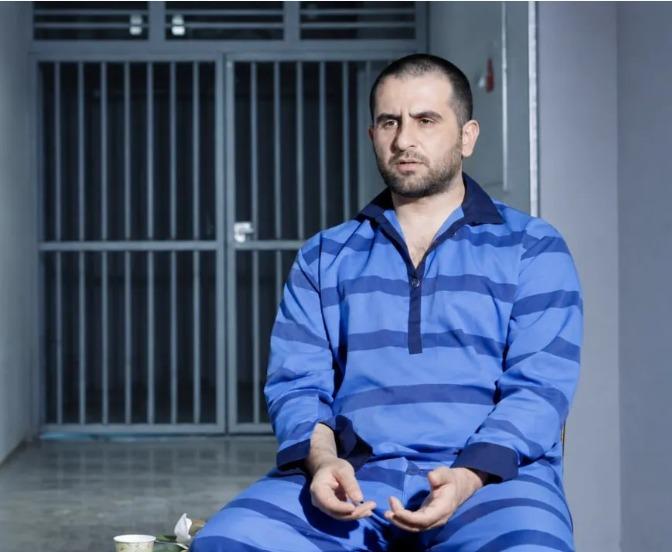
The operation, carried out by the U.S. Department of Homeland Security, resulted in the detention of approximately 475 workers, including over 300 South Koreans. The raid is being described as the largest single-site immigration enforcement action in DHS history and is part of President Donald Trump’s intensified crackdown on unlawful employment practices.
The incident has caused shockwaves in South Korea and raised concerns about the safety of its citizens working abroad, especially in the United States where Korean firms have made massive industrial investments in recent years.
LG Energy Solution, Hyundai’s joint-venture partner, confirmed that 47 of its direct employees were among those detained. An additional 250 workers employed by site contractors were also arrested.
In response, LG has suspended most U.S. business travel, directing overseas staff to return home unless their presence is essential for customer obligations.
“We are reviewing the circumstances surrounding the incident and taking measures to protect our employees,” the company said in a statement.
The arrests come at a delicate time in U.S.–South Korea relations, already strained by disagreements over the execution of a $350 billion trade and investment framework that includes major Korean commitments to American manufacturing and clean energy projects.
South Korean companies, including Hyundai, LG, and Samsung, have become cornerstones of U.S. industrial policy, especially under incentives tied to electric vehicle and battery production. The immigration raid, however, has cast a shadow over these partnerships and sparked fears that Washington’s enforcement priorities could jeopardize long-standing economic cooperation.
With public scrutiny intensifying at home, President Lee’s administration is under pressure to negotiate the release of the detained nationals while preserving South Korea’s economic interests in the United States.
Seoul’s consular teams have been deployed to Georgia, and diplomatic channels with Washington remain active. Analysts say the coming days will test the strength of the bilateral alliance as both sides navigate a complex mix of legal, political, and economic fallout from the unprecedented enforcement action.