The United States and Iran are sending conflicting signals over the prospects of high-level talks in Qatar this week, adding fresh uncertainty to diplomatic efforts aimed at resolving tensions over Tehran’s nuclear program.
The negotiations were initially expected to take place in Switzerland, where officials planned to focus primarily on Iran’s nuclear activities. However, U.S. officials said the venue and agenda were revised after a renewed exchange of military strikes between Washington and Tehran centered on the strategically vital Strait of Hormuz.
According to a U.S. official and another source familiar with the discussions, the latest developments shifted attention away from nuclear issues and toward regional security concerns involving the critical shipping route.
Despite the changes, the Trump administration continues to advocate for direct negotiations with Iranian officials.
It remains unclear, however, whether representatives from the two countries will meet face-to-face in Doha or continue to communicate indirectly through Qatari mediators.
The uncertainty reflects the fragile state of the diplomatic process as both sides seek to preserve momentum while tensions remain elevated.
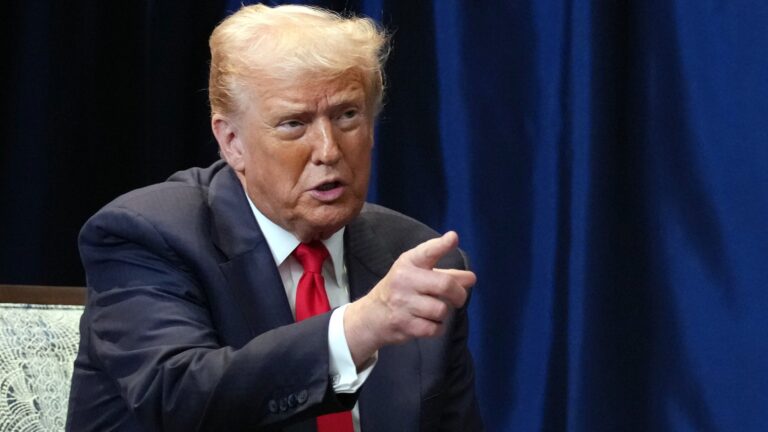
President Donald Trump announced on Monday that talks would take place in Qatar’s capital following what he described as a request from Tehran.
“IRAN HAS REQUESTED A MEETING. IT WILL TAKE PLACE TOMORROW IN DOHA!” Trump wrote in a post on social media.
Neither Iranian officials nor Qatari authorities immediately confirmed the details of the proposed meeting.
The planned discussions are expected to address a range of issues, including Iran’s nuclear program, regional security, and the future of navigation through the Strait of Hormuz, which remains a focal point of recent tensions.
The talks come as both countries continue efforts to build on an interim agreement reached earlier this month, with negotiators working within a 60-day framework to pursue a broader and more durable settlement.
Whether the Doha meeting proceeds as planned could prove critical in determining the direction of U.S.-Iran relations and the prospects for reducing tensions across the region.