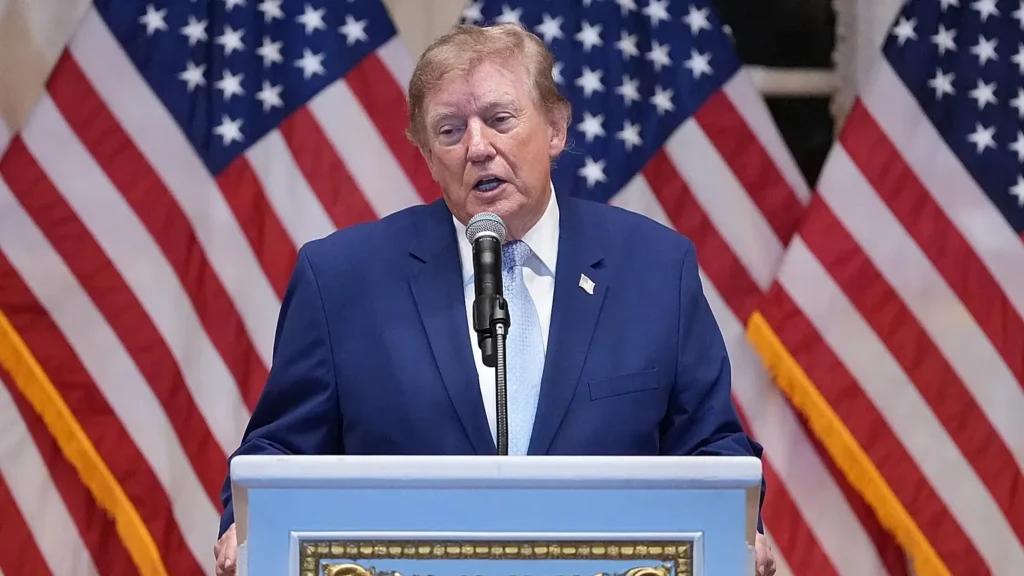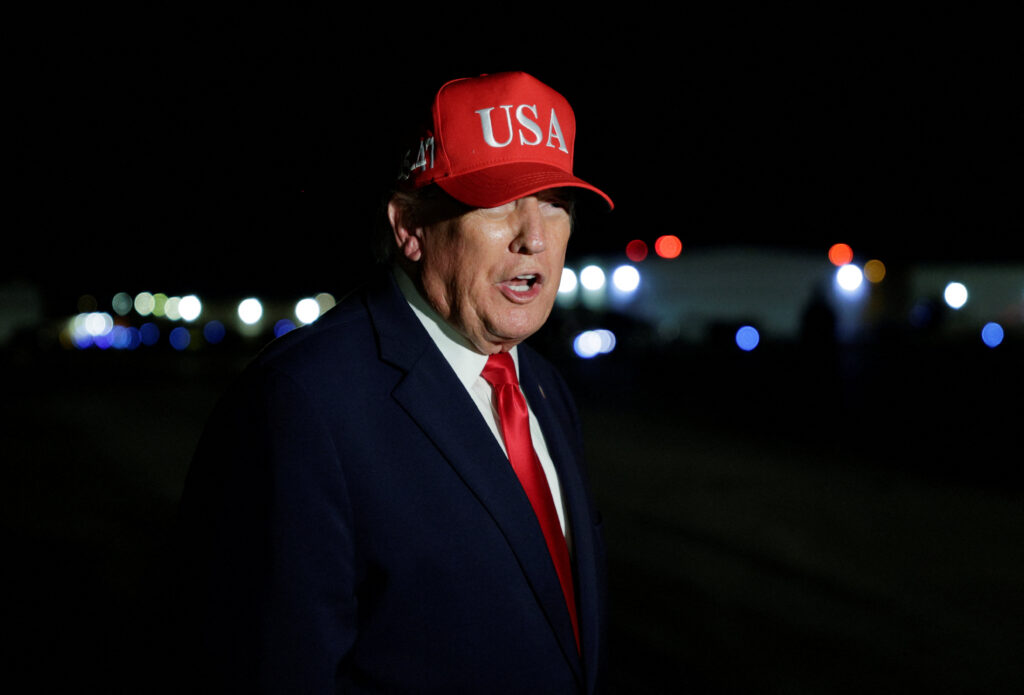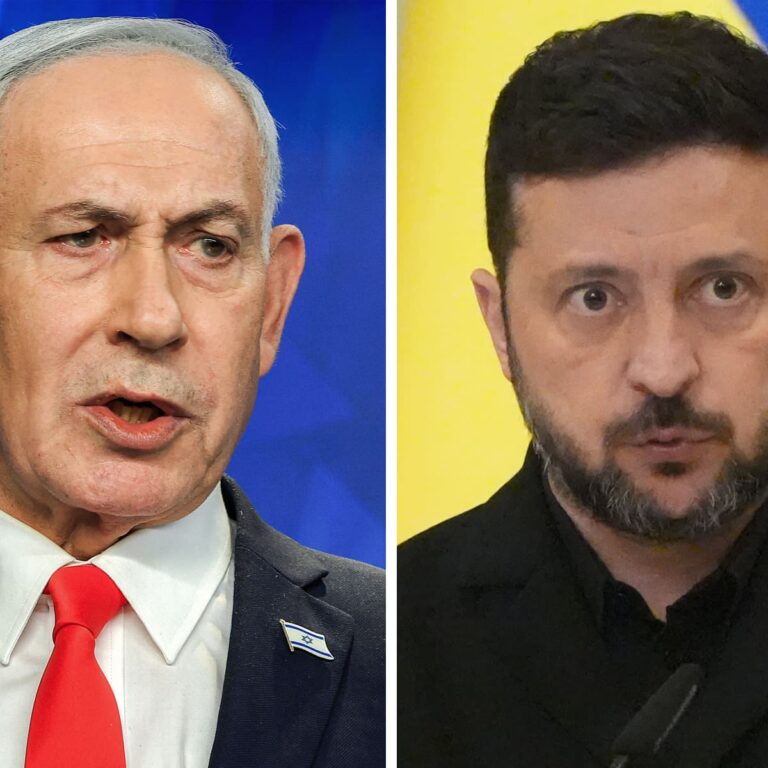
Ukrainian President Volodymyr Zelenskyy and Israeli Prime Minister Benjamin Netanyahu are scheduled to meet separately with U.S. President Donald Trump at the White House on Tuesday as the administration reassesses its approach to the wars in Ukraine and the Middle East.
The two leaders are also expected to attend the funeral of the late U.S. Senator Lindsey Graham, who died unexpectedly earlier this month.
The meetings will give both Zelenskyy and Netanyahu an opportunity to press their priorities with Trump at a time when U.S. policy toward Iran and the Russia-Ukraine conflict remains in transition.
Graham had been a strong advocate for Israel and one of Congress’ most outspoken critics of Iran. He also met with Zelenskyy in Kyiv shortly before his death and had been working on legislation aimed at strengthening U.S. sanctions against Russia.
For Netanyahu, the visit comes at a sensitive moment in U.S.-Israeli relations.
The Israeli leader last met Trump in Washington in February, shortly before the United States became directly involved in a prolonged conflict with Iran. Tuesday marks five months since that conflict began.
Ahead of the meeting, Netanyahu said he intends to discuss Israel’s security and regional position with the U.S. president.
“Our goal is clear: to safeguard Israel’s security, strengthen its power, and expand the circle of peace around us,” Netanyahu wrote in a post on X. He also said he would honor Graham’s memory, describing the late senator as “a true friend.”
Although Trump and Netanyahu had maintained close ties during the early months of Trump’s second term, recent weeks have exposed growing differences between the two leaders.
Trump has publicly criticized Netanyahu, reportedly calling him “crazy” and stating, “Without me, there would be no Israel,” reflecting strains over the administration’s recent Middle East policy.
According to U.S. and Israeli officials, Netanyahu was not consulted before Washington reached a memorandum of understanding with Iran establishing a 60-day ceasefire that included the reopening of the strategically important Strait of Hormuz.
Israeli officials have also voiced concern over the Trump administration’s plans to pursue a civilian nuclear energy agreement with Saudi Arabia and its consideration of a potential sale of F-35 fighter jets to Turkey.
Meanwhile, Zelenskyy’s discussions with Trump are expected to focus on continued U.S. support for Ukraine, military assistance and Washington’s strategy toward ending the war with Russia.
The high-profile meetings underscore the competing foreign policy challenges facing the White House as conflicts in Eastern Europe and the Middle East continue to shape the international security landscape.