President Bola Ahmed Tinubu has declared that his administration will no longer tolerate persistent electricity shortages in hospitals, warning that lives are being lost due to unreliable power supply.
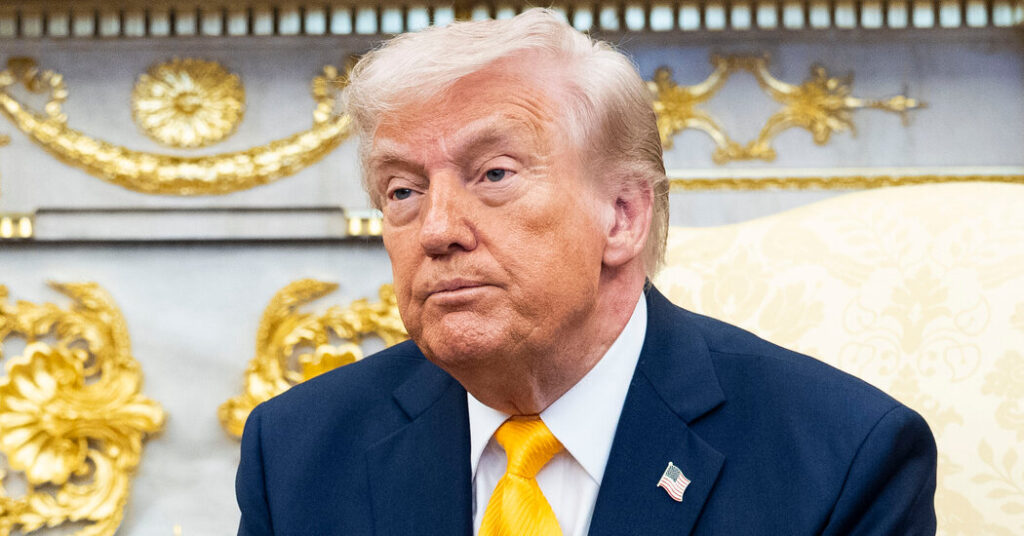
Speaking at the first National Stakeholders’ Dialogue on Power in the Health Sector in Abuja on Tuesday, Tinubu represented by Secretary to the Government of the Federation, George Akume described electricity as a cornerstone of modern healthcare.
“In surgical theatres, maternity wards, intensive care units, laboratories, and emergency rooms across the country, power outages too often compromise safety, interrupt care, and cost lives. These outages cannot continue, and under our administration, they should not. Lives are at stake. We must act now,” he said.
The dialogue, themed “Powering Health Through Public-Private Synergy: Energizing Nigeria’s Health Sector for the Future”, was jointly organised by the Ministries of Health & Social Welfare and Power.
Tinubu said his government is committed to transforming health facilities through sustainable energy solutions as part of the Renewed Hope Agenda. He outlined measures such as the expansion of off-grid solar and hybrid systems, decentralisation of power supply, public-private partnerships, and mobilising investments from development partners and international financiers.
“The success of this initiative will not be measured by the speeches we deliver but by the uninterrupted light in our hospitals, the hum of functioning equipment, and the renewed confidence of every Nigerian who walks through the doors of a public health facility,” he added.
Minister of State for Health and Social Welfare, Dr. Iziaq Adekunle Salako, warned that the country’s health system is “inefficiently powered,” with many facilities crippled by erratic electricity and rising costs.
He cited a 2021 survey by Sustainable Energy for All, which showed that 40 per cent of functional primary healthcare centres lack access to electricity, while most of the remaining 60 per cent receive less than 10 hours of supply daily.
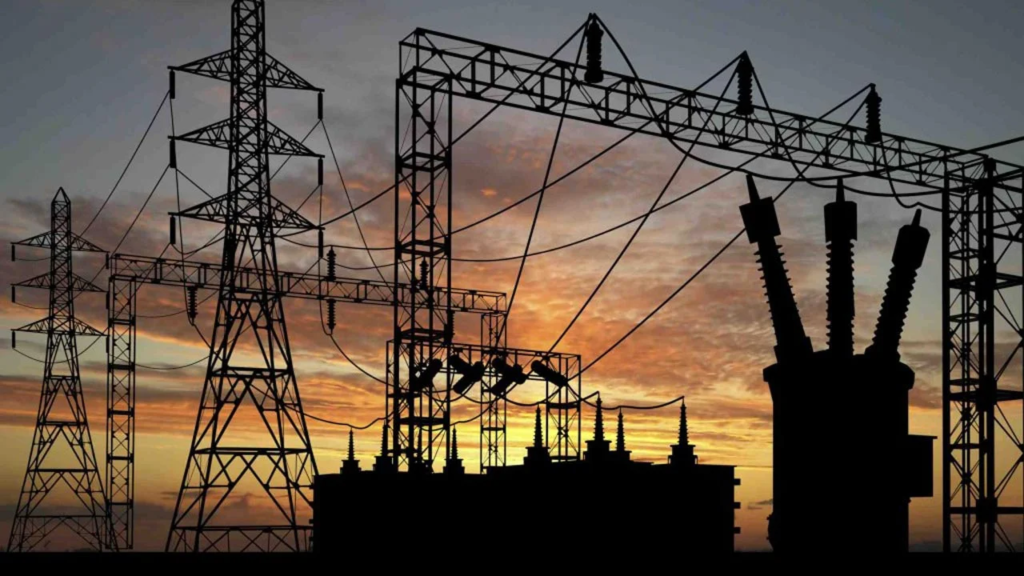
According to Salako, Federal Tertiary Health Institutions require between three and eight megawatts to function optimally but receive only 5.3 hours of supply from the national grid. This forces them to spend between ₦20 million and ₦180 million monthly on power, with fuel alone consuming up to half of their operating expenses. Private hospitals, he added, are equally burdened, paying between ₦5 million and ₦20 million monthly on energy.
“This scenario has resulted in sub-optimal service delivery, reduced access to care, compromised treatment quality, and poor health outcomes. Energy supply has become a major disrupter of health services in our country. It has become an emergency that we must address,” Salako said.
While acknowledging interventions such as the EU-backed Nigeria Solar for Health Programme and solar-hybrid deployments by the Rural Electrification Agency, Salako stressed that progress remained too slow to meet urgent needs.
“We can no longer afford business as usual in the face of service interruptions, patient dissatisfaction, and mounting energy bills. The time has come to put all hands on deck to relieve our health system of the burden of prohibitive power costs and ensure reliable electricity supply,” he added.