The Presidency has set September 3, 2026, as the target date for presenting the proposed State Police Executive Bill to President Bola Ahmed Tinubu, marking a major step toward establishing the legal framework for state policing in Nigeria.
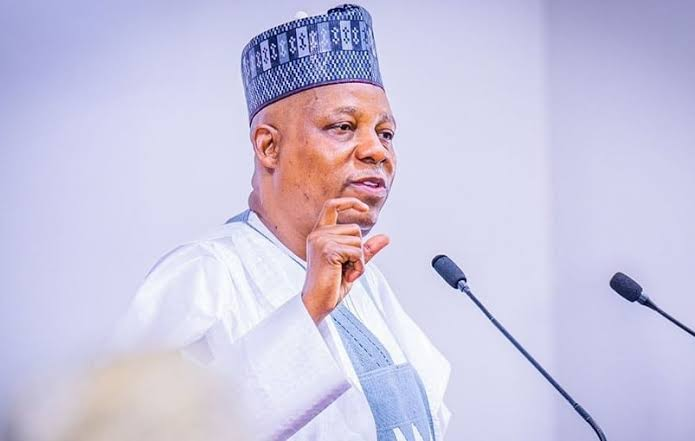
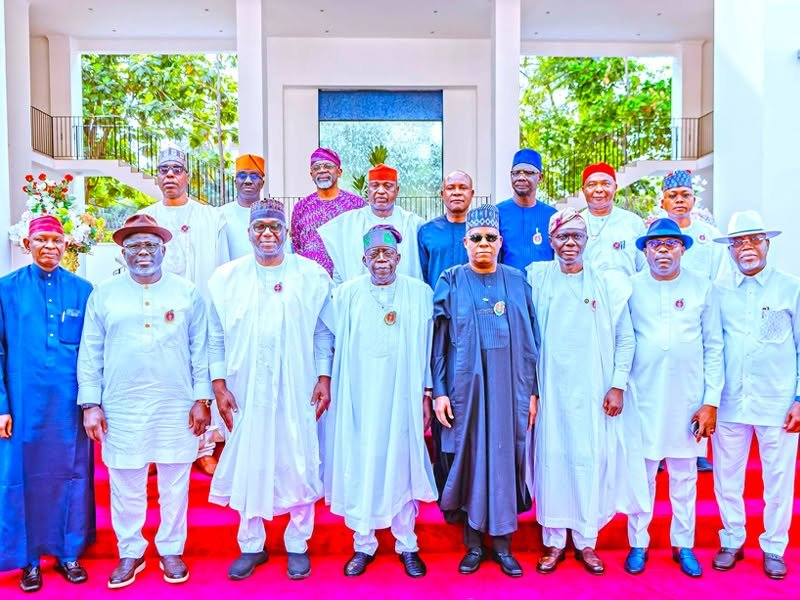
The timeline was disclosed on Monday by Chairman of the Presidential Working Group on the National Policing Bill, Femi Gbajabiamila, after the committee’s inaugural meeting at the State House.
Gbajabiamila said the committee had begun administrative and technical work on the proposed legislation, with the drafting process scheduled to run from July 27 to September 14, 2026.
President Tinubu inaugurated the committee in July to develop the legal framework required for the implementation of state police across the country.
According to Gbajabiamila, the Executive Bill will be presented to the President on September 3. Subject to presidential approval, the draft will undergo nationwide public consultation before being revised and transmitted to the National Assembly.
“The approved work programme is a seven-week, milestone-driven exercise running from July 27 to September 14, 2026. The resulting Executive Bill package is scheduled for presentation to the President on September 3,” he said.
He noted that the timeline was designed to allow for thorough technical work and extensive stakeholder engagement rather than rushing the process.
Gbajabiamila also announced that members of the public would be able to contribute to the proposed legislation by submitting memoranda through the dedicated portal, nationalpolicingbill.com.
He said the submission window would remain open for about 10 days, with the possibility of an extension if necessary.
“No matter your station in life, you have an opportunity to contribute meaningfully, because the whole idea behind state policing is for everyone to take ownership,” he said.
Addressing concerns over the financial implications of establishing state police, Gbajabiamila said it was too early to estimate the cost, stressing that any projections would be based on detailed research rather than speculation.
He explained that implementation costs would differ from state to state, depending on personnel needs, infrastructure and local security challenges.
“There is no cost to securing life and property. At this stage, giving you a cost will be pulling something out of thin air. The cost will be evidence-based and determined on a state-by-state basis,” he said.
The proposed state police framework is expected to address critical issues, including personnel recruitment, command structure, infrastructure, funding arrangements and the unique security requirements of each state as the committee works toward completing the Executive Bill.