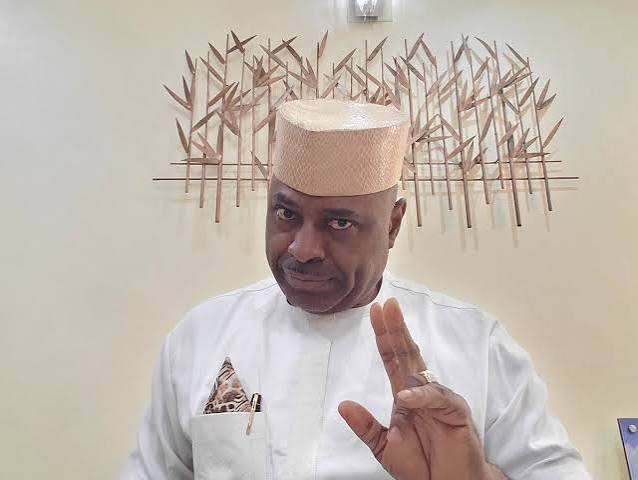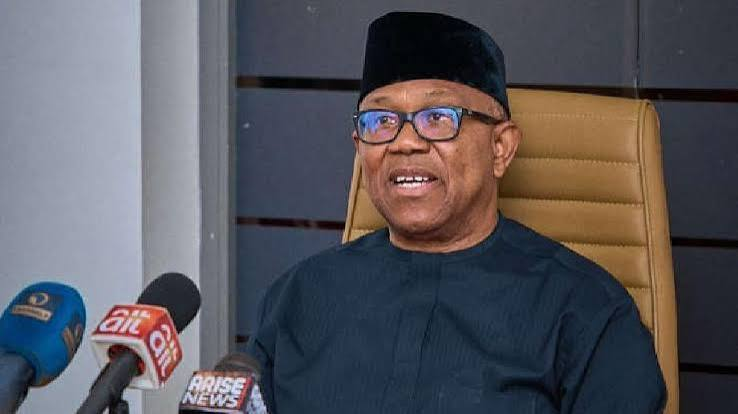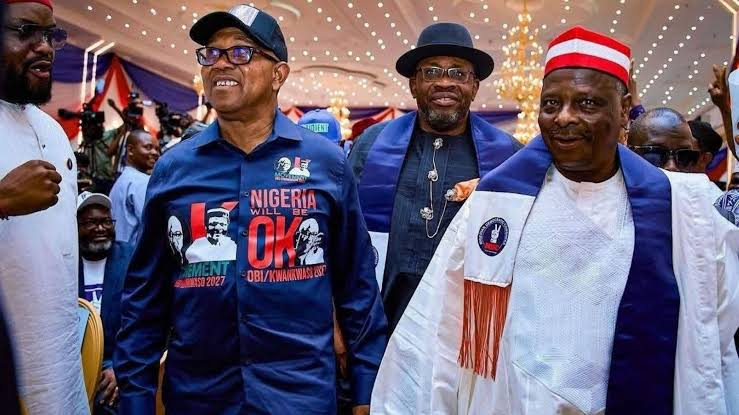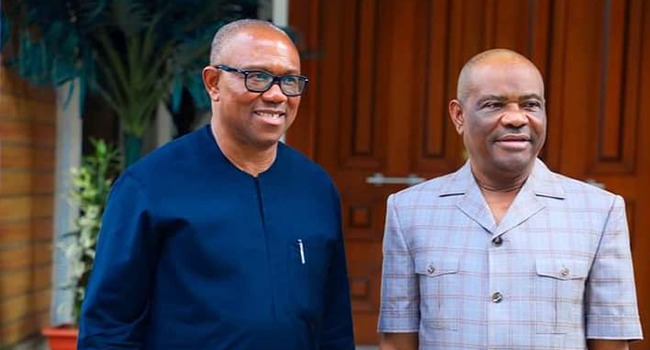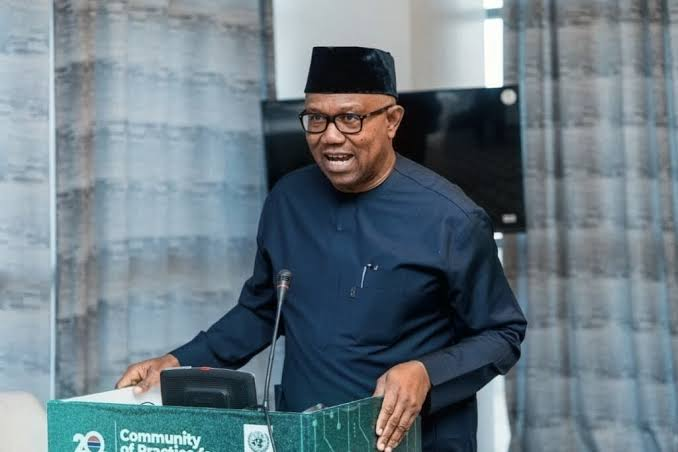
Presidential candidate of the Nigeria Democratic Congress (NDC), Peter Obi, has reiterated his support for the removal of petrol subsidy, but criticised the Federal Government for allegedly failing to properly utilise the resources generated from the policy.
Obi spoke on Monday at a conference organised by the Nigerian Bar Association (NBA) in Port Harcourt, Rivers State.
The former Anambra State governor said subsidy removal was necessary but argued that the proceeds should have been channelled into investments that directly improve the lives of Nigerians.
“I subscribe and maintain that you need to remove subsidy. Mismanagement of the proceeds shouldn’t be the reason for not removing it,” Obi said.
He said the government should have provided alternative benefits to Nigerians immediately after removing the subsidy.
“What we should have done is that when we removed the subsidy, we would have given the people alternative usage for the subsidy.”
Obi claimed that the resources generated from the removal were being mismanaged, citing the N15.8 trillion said to have been mobilised between June 2023 and December 2025.
He said his leadership blueprint envisaged an “organised” subsidy removal, with the recovered funds invested in critical sectors for the benefit of Nigerians.
According to Obi, healthcare should have been one of the major beneficiaries of the savings, particularly primary healthcare.
“The number one thing a nation needs to develop is health. But today, our health is very poor, our primary care is very poor, where we are now, we have more maternal and child issues than countries like India,” he said.
He argued that five per cent of N16 trillion, amounting to about N800 billion, could have funded primary healthcare centres across the country.
Obi said his studies showed that establishing a primary healthcare centre in each ward could cost an average of N100 million, suggesting that a significant portion of the subsidy savings could have been deployed to address the country’s healthcare deficit.
He also proposed investing part of the funds in kidney care, claiming that Nigeria faces a major shortage of dialysis centres and machines.
Obi said the government could alternatively have saved the resources by adding them to the country’s sovereign wealth fund, rather than allowing the funds to be consumed without clearly identifiable benefits to citizens.
He also criticised government officials for asking Nigerians to endure economic hardship while public resources were allegedly being wasted.
“People in government have asked Nigerians to fast. Okay. They cannot be feasting when Nigerians are fasting.”
Obi’s comments come amid renewed political debate over the impact and utilisation of petrol subsidy removal.
Former Vice-President Atiku Abubakar has also criticised the government’s handling of the subsidy savings, although he recently said he would restore the subsidy if elected president in 2027.
President Bola Tinubu subsequently criticised Atiku’s position, describing the proposal as evidence of “serious ignorance of governance and economy.”
The debate followed a disclosure by the Minister of Finance and Coordinating Minister of the Economy, Taiwo Oyedele, that subsidy removal generated N15.8 trillion in resources for the federation between June 2023 and December 2025.
Oyedele said the Federal Government received N5.4 trillion, while N10.4 trillion was shared among state and local governments.
He explained that the additional resources were reflected in higher revenue collections, particularly as the naira value of dollar-denominated transactions increased following the exchange-rate reforms.