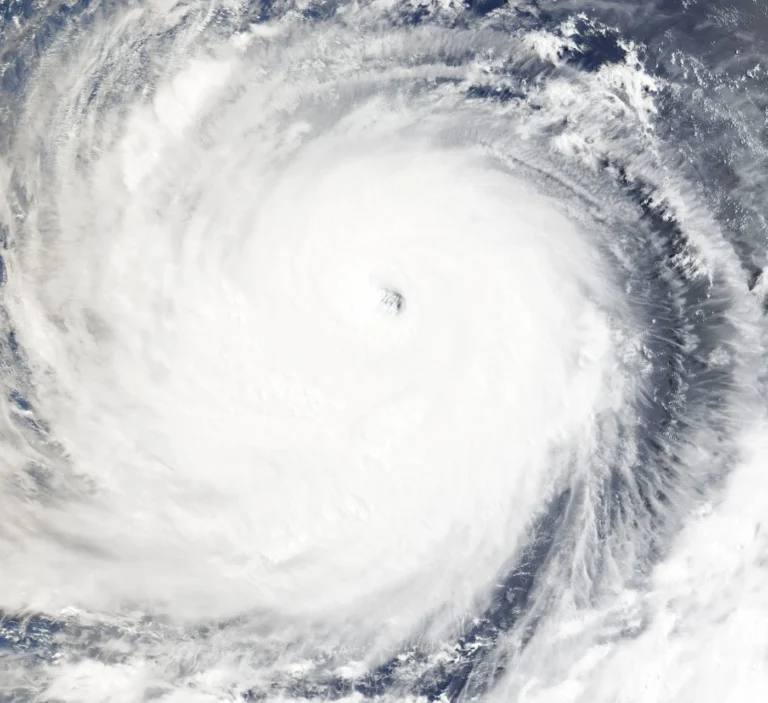
China and Taiwan are preparing for the arrival of Typhoon Bavi, a powerful storm forecasters warn could become one of the most destructive to strike the region in years, as parts of southern China continue recovering from the devastation caused by Typhoon Maysak.
As of Thursday, Bavi was churning southeast of Taiwan with sustained winds approaching 200 kilometers per hour (124 mph), prompting emergency preparations across the island and eastern China.
Taiwanese authorities warned that the storm could dump up to one meter (3.3 feet) of rain over the mountainous areas north of Taipei, raising concerns about flooding and landslides.
The Defense Ministry said approximately 29,000 troops have been placed on standby to assist with emergency response operations if needed.
Officials say Bavi could become Taiwan’s most powerful typhoon since Typhoon Kong-rey in 2024, which claimed three lives.
According to China’s National Meteorological Centre, the storm spans nearly 1,000 kilometers (621 miles)—roughly the width of France—and is expected to skirt northern Taiwan before making landfall in eastern Fujian province on Saturday evening.
Taiwan Central Weather Administration forecaster Jason Chang said storms of Bavi’s size have become relatively uncommon in recent years.
He told Reuters the typhoon is expected to be the largest by overall size to affect Taiwan since 1987.
Meanwhile, rescue and recovery operations continue in China’s southwestern Guangxi region following the passage of Typhoon Maysak earlier this week.
Local officials said the storm has killed at least 39 people, while search teams continue looking for nine people who remain missing.
Authorities across both Taiwan and China have urged residents in vulnerable areas to prepare for dangerous weather conditions, as emergency services remain on high alert ahead of Bavi’s expected arrival.
The approaching storm threatens to compound the challenges facing the region as communities continue recovering from one of the deadliest typhoons to strike southern China this year.