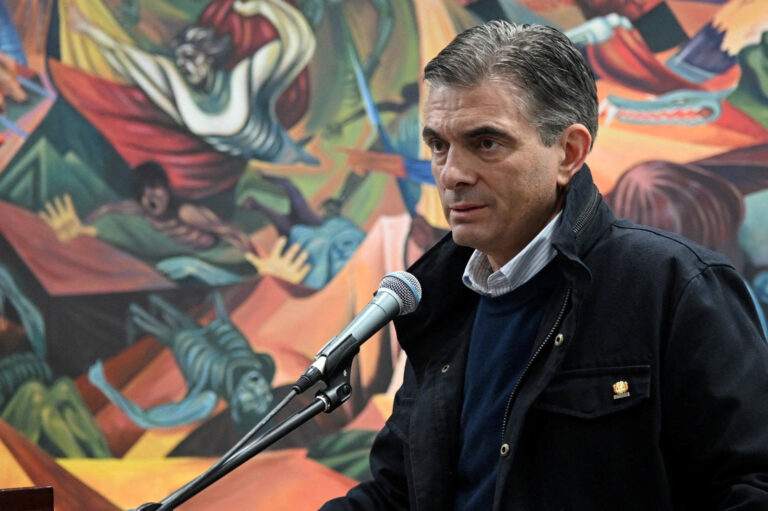
Bolivia’s political and economic crisis escalated on Saturday after President Rodrigo Paz declared a nationwide state of emergency, granting the government expanded powers to restore order following nearly two months of disruptive protests and road blockades.
The emergency measure allows authorities to deploy the military more broadly to clear blocked highways, reopen transportation routes and restore the flow of essential goods across the country.
Under Bolivia’s constitution, the decree takes effect immediately, but the president is required to notify Congress within 24 hours. Lawmakers then have up to 72 hours to approve or reject the emergency declaration.
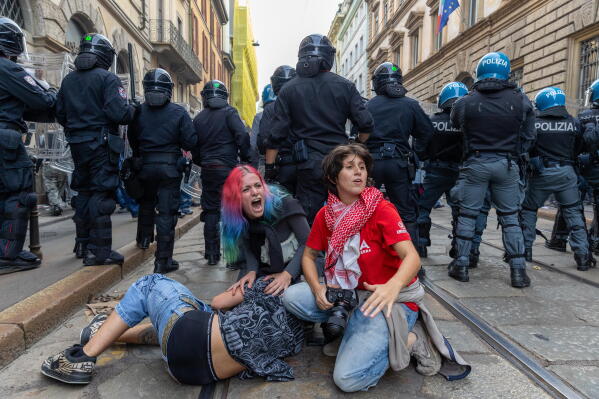
The unrest has entered its 50th day, with demonstrators blocking major roads and transport corridors throughout the country. Protest groups, many of which are aligned with former President Evo Morales, have cut off key supply routes, leaving trucks stranded and disrupting the distribution of food, fuel and medical supplies to several regions, including the capital, La Paz.
The crisis began after the government moved to eliminate long-standing fuel subsidies in an effort to reduce the fiscal deficit amid a worsening shortage of U.S. dollars and ongoing discussions with the International Monetary Fund.
Although Paz later introduced measures aimed at stabilizing fuel prices and rolled back controversial land reform policies, public anger continued to grow.
What started as opposition to economic reforms has evolved into a broader protest movement, with labor unions and social organizations demanding higher wages, an end to fuel and foreign currency shortages, and the president’s resignation.
The prolonged disruptions have placed increasing pressure on Bolivia’s economy, raising concerns about shortages, inflation and political instability as the government struggles to regain control of the situation.
With military forces expected to play a larger role in reopening critical transportation routes, attention now turns to Congress, which must decide whether to endorse the emergency measures in the coming days.