Benue State Governor, Hyacinth Alia, has defended the autonomy of local governments and the judiciary in the state, insisting that both institutions are operating fully in line with the 1999 Constitution of the Federal Republic of Nigeria (as amended).
Speaking to journalists at the State House in Abuja on Thursday, Alia dismissed claims that local government and judicial autonomy were being undermined in Benue.
“Our local government autonomy is sacrosanct. The judiciary also enjoys full autonomy. These are verifiable facts,” the governor said.
He explained that local councils now independently execute development projects, while the state government focuses on supervision and accountability.
“It has reduced my burden significantly. My responsibility now is to supervise, inspect projects and ensure accountability. Once local governments receive their allocations, they execute their priorities and account for how the resources are utilised,” he said.
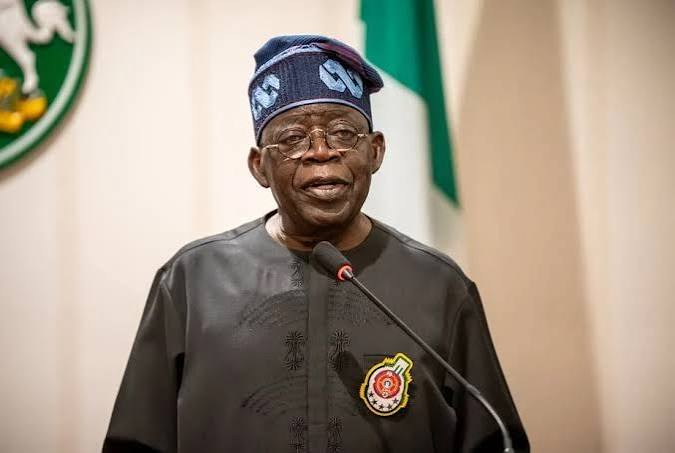
Alia also praised the economic reforms of President Bola Tinubu, saying they had improved Benue’s finances, strengthened security, revived infrastructure and agriculture, and positioned the state as an emerging medical tourism hub.
“The reforms initiated by President Tinubu have altered the development trajectory of Benue. We are among the biggest beneficiaries because they have created opportunities for greater investment in infrastructure, agriculture, healthcare, education, security and human capital development,” he said.
On security, the governor credited recent improvements to the strengthening of the state’s security architecture, including the Benue Civil Protection Guards, the Joint Task Force codenamed Anyam Nyor, community vigilantes and technology-driven intelligence gathering.
“I can sit where I am and monitor what is happening in different frontline areas of the state. We have put several mechanisms in place, but I will not disclose all our strategies because they are part of our security architecture,” he said.
He added that improved security had enabled thousands of internally displaced persons (IDPs) to return gradually to their communities and resume farming, while reiterating his support for state police, arguing that community-based policing would improve intelligence gathering and crime detection.