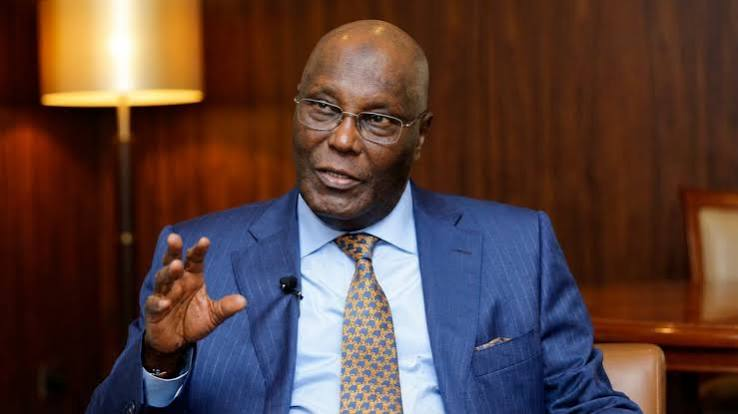
Former Vice President and African Democratic Congress (ADC) presidential candidate for the 2027 election, Atiku Abubakar, has explained his decision to boycott the recent signing of the National Peace Accord, accusing ruling parties of repeatedly failing to fully participate in the process.
Atiku spoke on Monday when the Council of the Wise of the Savannah Centre for Democracy, Diplomacy and Development, led by former Chief Justice of Nigeria, Justice Olukayode Ariwoola, visited him in Abuja as part of its engagement with political stakeholders ahead of the 2027 general elections.
The delegation visited Atiku to encourage him and other presidential contenders to commit to peaceful, issue-based and credible campaigns.
The National Peace Accord was signed in Abuja on August 18 by presidential candidates and political parties ahead of the commencement of campaigns for the 2027 elections.
Organised by the National Peace Committee in partnership with the Kukah Centre, the accord commits political parties, candidates and their supporters to peaceful campaigns, respect for electoral institutions and issue-based political engagement.
President Bola Ahmed Tinubu did not attend the ceremony personally but was represented by the Secretary to the Government of the Federation, George Akume.
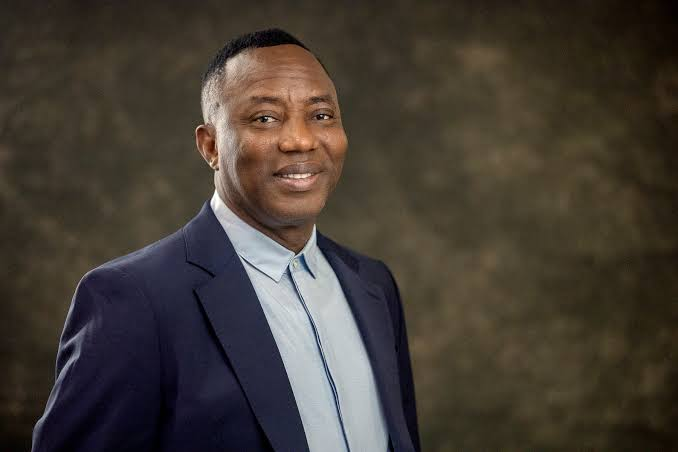
Among those who signed the accord were Peter Obi, Omoyele Sowore and Adewole Adebayo, while Atiku and the ADC were absent.
Explaining his decision, Atiku said he had participated in the peace accord process during previous elections but became dissatisfied with what he described as a recurring pattern in which opposition parties participated while ruling parties stayed away.
He argued that the responsibility for ensuring peaceful, free and credible elections should not rest solely on political parties and candidates, stressing that the government and the three arms of government also have critical roles to play in protecting the integrity of the electoral process.
Atiku also recalled his legal battles with former President Olusegun Obasanjo between 1999 and 2007, saying he was able to challenge the then President in court without personally meeting or speaking to any judge.
He expressed concern about changes in the judiciary since then, alleging that legislation passed by the National Assembly that is inconsistent with the Constitution is sometimes allowed to stand.
Despite his reservations, Atiku said he remained willing to work with the Council of the Wise, while stressing the need for a level playing field ahead of the 2027 presidential election.
He also urged the council to engage political actors candidly, regardless of whether cameras were present.
Earlier, Ariwoola congratulated Atiku on his emergence as the ADC presidential candidate and urged him to ensure that his campaign avoided hate speech, inflammatory statements and other conduct capable of provoking violence.