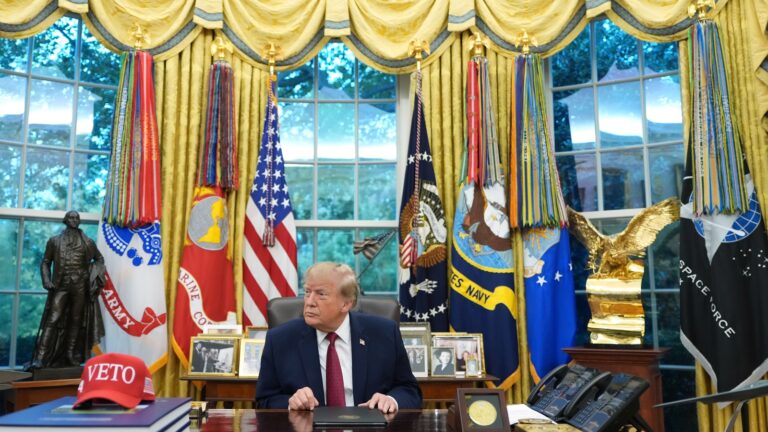
Speaking during an interview with CBS News’ 60 Minutes, which aired Sunday night, Trump conceded that the administration’s tough approach to deportations had alienated some voters and damaged Republican support across the country.
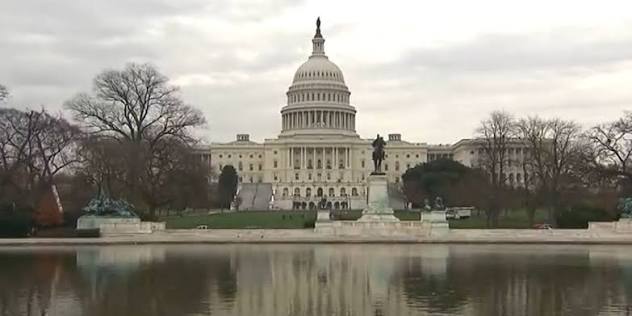
The president’s comments represent a notable shift in tone following an election in which Democrats secured control of both the House of Representatives and the Senate.
Trump acknowledged that although his immigration crackdown had achieved some of its intended objectives, the removal of immigrants who had established productive lives in the United States generated considerable public opposition.
He maintained that his administration deserved high marks for strengthening border security and deporting individuals considered threats to public safety.
However, he admitted that the policy became politically damaging when immigration authorities also targeted people who had stable employment and had lived in the country for years.
The president specifically pointed to immigrants working in industries such as hospitality, landscaping and other essential services, suggesting that their removal had created concerns among Americans who believed such individuals deserved an opportunity to remain in the country.
Immigration Crackdown Becomes Major Election Issue
Trump’s acknowledgment comes after Republicans suffered widespread losses in the November 3 midterm elections, with immigration enforcement emerging as one of the issues influencing voter sentiment.
Although the president defended his administration’s border security achievements, he recognized that its broader deportation strategy had produced mixed political results.
The admission raises questions about whether the White House could reconsider certain aspects of its immigration policies as Trump prepares to govern alongside a Democrat-controlled Congress.
Stephen Miller Appointment Raises Questions Over Policy Direction
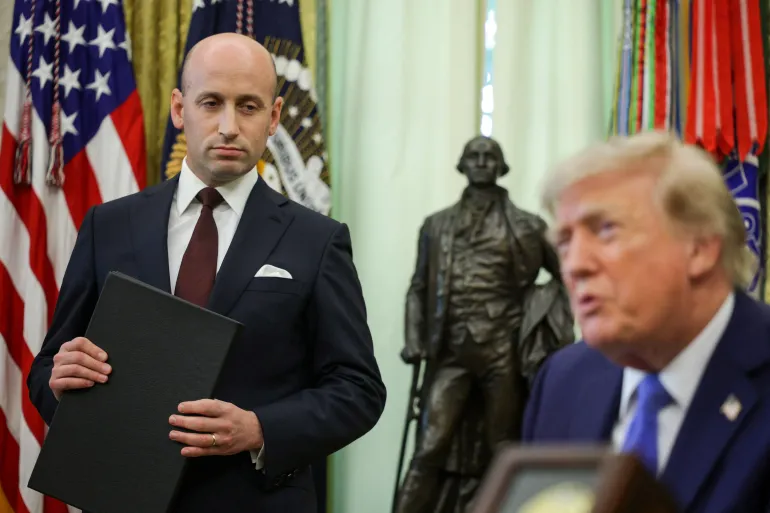
Despite suggesting that his administration may have gone too far in enforcing deportations, Trump has appointed Stephen Miller, one of the principal architects of his hardline immigration agenda, as White House chief of staff.
Miller is scheduled to replace Susie Wiles on Monday, November 9, following a major leadership shake-up triggered by the Republican electoral defeat.
The appointment has raised questions about whether Trump’s acknowledgment of the political consequences of mass deportations will translate into substantial policy changes.
Miller has been a leading advocate of aggressive immigration enforcement and played a central role in developing the administration’s deportation strategy.
His elevation to one of the most influential positions in the White House suggests that strict immigration enforcement could remain a priority despite the president’s concerns about its electoral impact.
Trump Signals Willingness to Negotiate With Democrats
In a potentially significant development, Trump expressed openness to working with Democratic lawmakers on immigration reform following their midterm victory.
The president suggested that a bipartisan agreement could provide a possible pathway for certain undocumented immigrants, particularly those who have lived and worked in the United States for extended periods.
He indicated that individuals who have contributed to the economy, maintained steady employment and paid taxes could be considered under a negotiated arrangement.
However, Trump did not outline a specific legislative proposal or explain what legal protections might be offered.
The president’s willingness to discuss an immigration agreement represents a possible opening for negotiations with Democrats, who are expected to increase scrutiny of the administration’s enforcement practices when the new Congress takes office in January 2027.
Political Pressure Mounts on Trump Administration
The Republican Party’s midterm defeat has intensified debate over the administration’s political strategy and the impact of its immigration policies on public confidence.
Trump’s admission suggests that the White House recognizes the need to address concerns among voters who support stronger border security but oppose the deportation of longtime residents with established jobs and families.
Nevertheless, uncertainty remains over whether the president will pursue meaningful changes or maintain the aggressive enforcement approach championed by his newly appointed chief of staff.
As Democrats prepare to assume congressional control, immigration policy is expected to remain a central issue in negotiations between the White House and lawmakers.
For now, Trump’s comments mark a rare acknowledgment that one of his administration’s signature policies may have carried significant political costs, potentially opening the door to a new debate over the future of immigration enforcement in the United States.