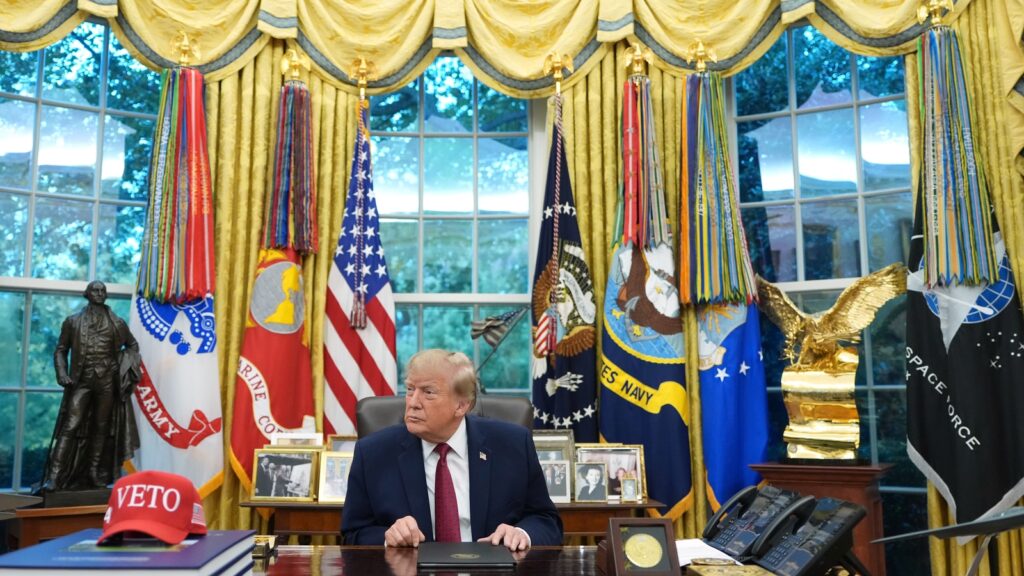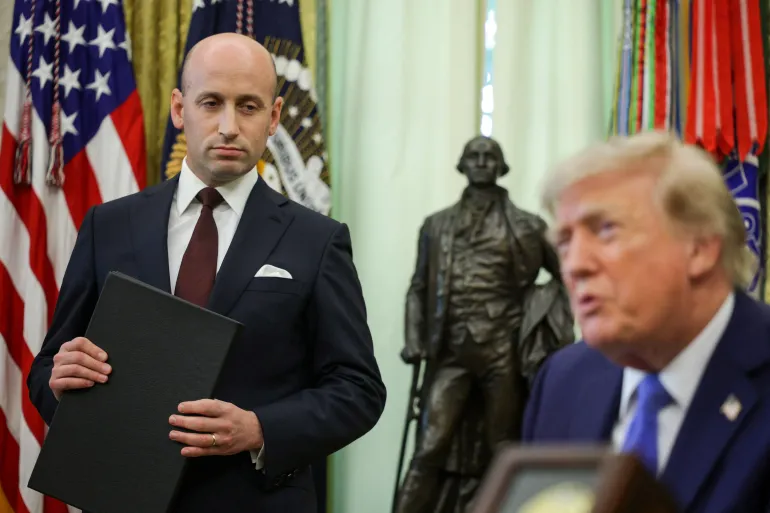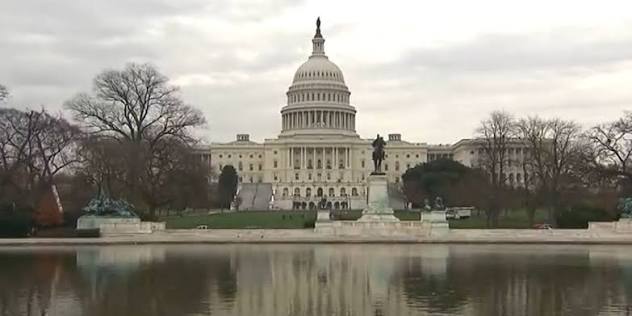
The session comes at a politically sensitive time for President Donald Trump’s administration, with lawmakers facing a crowded legislative agenda, mounting internal Republican divisions and a potential impeachment showdown involving Defense Secretary Pete Hegseth.
Despite the Democratic electoral victory, Republicans will retain control of both chambers until January 3, 2027, when the newly elected 120th Congress officially takes office.
The outgoing Congress faces mounting pressure to address several unfinished legislative priorities before the end of the year, including government funding, national defense legislation and other major policy decisions.
The lame-duck session begins with a two-week legislative period alongside orientation activities for newly elected members of Congress.
At least 109 new lawmakers are expected to enter the House of Representatives, representing the largest incoming freshman class in nearly a century.
The Senate is also preparing for significant changes, with at least 17 senators leaving office as a new generation of lawmakers prepares to assume their seats.
Several congressional races remain undecided, meaning the final number of incoming lawmakers could increase.
The election results have dramatically reshaped Washington’s political landscape, creating fresh uncertainty over the future direction of the Republican Party and the Trump administration.
One of the most immediate challenges facing congressional leaders is an expected impeachment effort against Defense Secretary Pete Hegseth.
Republican Representative Thomas Massie, who lost his party’s primary election earlier this year, is preparing to reintroduce a privileged resolution containing eight articles of impeachment against Hegseth.
The move could force the House to confront the issue within days of returning to Washington, potentially disrupting Speaker Mike Johnson’s legislative plans.
Massie’s initiative comes amid growing criticism of the administration’s handling of the war with Iran, which several Republican figures have identified as a significant factor in the party’s midterm defeat.
Vice President JD Vance is among those who have acknowledged the political consequences of the conflict for Republican candidates.
Despite the growing controversy, Trump announced Thursday that he intends to retain Hegseth as defense secretary.
Hegseth has also rejected the impeachment effort, describing it as politically motivated and insisting that he will continue pursuing the administration’s military and defense priorities.
House Speaker Mike Johnson is meanwhile facing criticism from members of his own party over the Republican leadership’s handling of the legislative calendar.
The leadership’s plan to advance only one piece of legislation under a procedural rule during the opening week has renewed frustration among lawmakers who believe Congress should be doing more to secure Republican legislative achievements before Democrats assume control.
Some Republicans had previously criticized Johnson’s decision to send lawmakers home for an extended six-week campaign period instead of keeping Congress in session to advance key priorities.
The criticism reflects increasing tensions within the Republican Party following its election defeat and growing disagreements over how to approach the final weeks of congressional control.
Beyond the political disputes, lawmakers must address several critical legislative issues before the end of the year.
Federal government funding is scheduled to expire after December 11, raising the possibility of another government shutdown if Congress fails to reach an agreement.
Lawmakers must also consider the annual National Defense Authorization Act, with disputes over funding for the Iran war potentially complicating negotiations.
Other unfinished priorities include intelligence surveillance legislation, agricultural policy and proposals to accelerate infrastructure development.
Senate Republicans are also expected to push for confirmation of outstanding Trump administration nominees before losing their majority in January.
The limited legislative calendar means lawmakers will face difficult decisions over which priorities can realistically be completed before the end of the current Congress.
The upcoming session represents a critical transition period for Washington as Republicans seek to advance their remaining priorities while Democrats prepare to take control of Congress.
The potential impeachment battle involving Hegseth could further intensify tensions between the White House and lawmakers, including some within Trump’s own party.
For the president, the coming weeks may represent one of his administration’s final opportunities to advance major legislative objectives with Republican majorities in both chambers.
For Democrats, their historic midterm victory has created an opportunity to strengthen congressional oversight and challenge the administration’s policies when they assume control in January.
As Congress reconvenes, the combination of political uncertainty, looming legislative deadlines and growing divisions within the Republican Party sets the stage for a potentially turbulent end to the congressional year.