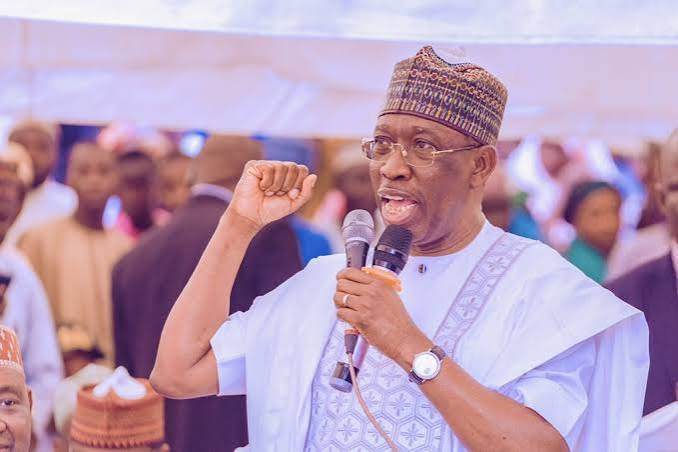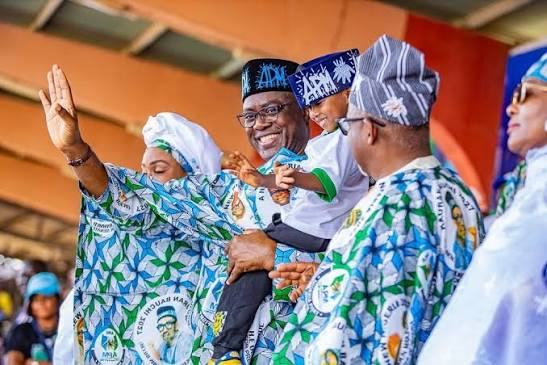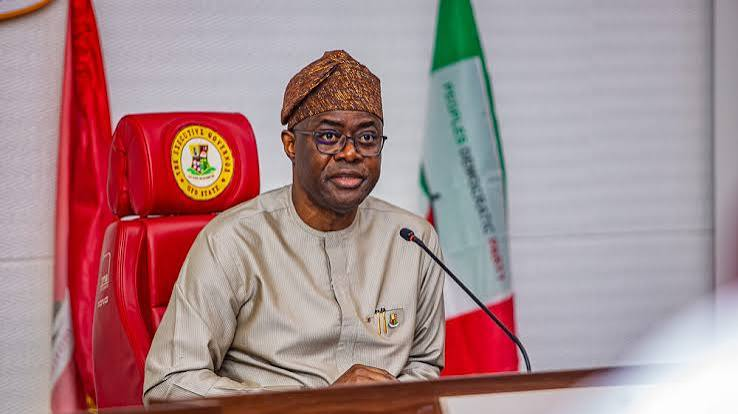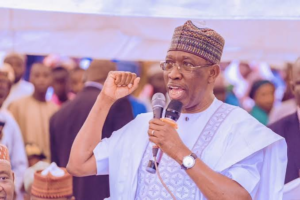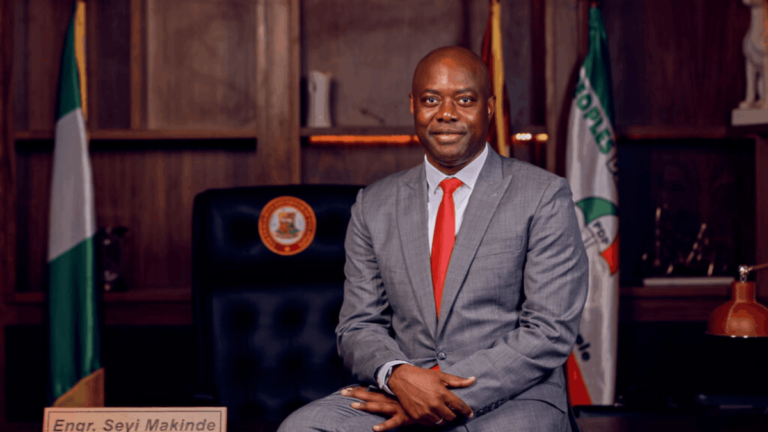
Oyo State Governor and Allied Peoples’ Movement (APM) presidential candidate, Seyi Makinde, has called for a fundamental overhaul of Nigeria’s political and economic systems, arguing that reforms alone cannot address the country’s deep-rooted challenges.
Makinde made the call on Sunday during an interview on Jay FM in Jos, Plateau State, ahead of the launch of his party’s 2027 presidential campaign in the city.
He said the success of economic recovery efforts should be measured by improvements in the living conditions of ordinary Nigerians rather than official indicators such as inflation rates and foreign reserves.
According to him, the priority should be to ensure that citizens can afford food and meet their basic needs.
The governor also called for increased investment in education, vocational training, entrepreneurship and industrial production to create jobs for Nigeria’s growing youth population.
On security, Makinde reiterated his support for state police, saying he would allow willing states to establish their own forces under appropriate safeguards if elected president.
He cited the South-West’s Amotekun security outfit as evidence that decentralised policing could operate alongside federal security agencies.
While acknowledging concerns that governors could use state police to intimidate political opponents, he argued that adequate checks and balances could prevent abuse.
Makinde said he first proposed the establishment of state police to the late President Muhammadu Buhari in 2019, maintaining that states should be allowed to adopt the arrangement when they are ready.
He also linked rising insecurity to unemployment and the lack of opportunities for young Nigerians, warning that failure to address the needs of the country’s youthful population could worsen instability.
Recalling his handling of the COVID-19 pandemic in 2020, the governor defended his decision not to impose a total lockdown in Oyo State, explaining that many residents depended on daily earnings to survive.
He argued that government policies should reflect the realities of ordinary citizens rather than simply follow national directives.
On education, Makinde praised the late Chief Obafemi Awolowo’s free education policy, describing it as a visionary initiative that expanded opportunities for ordinary families.
He also pledged greater transparency and accountability in government, saying Nigerians must be told the truth about the country’s economic situation before meaningful changes can be achieved.