The Federal Reserve raised interest rates Wednesday for the first time in more than three years as policymakers moved to address persistently elevated inflation amid continued economic uncertainty.
The central bank increased its benchmark federal funds rate by a quarter of a percentage point, bringing the target range to between 3.75% and 4%. The Federal Open Market Committee approved the increase unanimously.
The Fed said inflation remains elevated and that the rate increase was intended to support a return toward its 2% inflation target. Policymakers also said economic activity continues to expand at a solid pace, while job gains have kept pace with growth in the labor force and the unemployment rate has changed little.
The increase marks the Fed’s first rate hike since July 2023. The central bank had subsequently lowered borrowing costs several times, including three quarter-point reductions in 2025, before reversing course Wednesday.
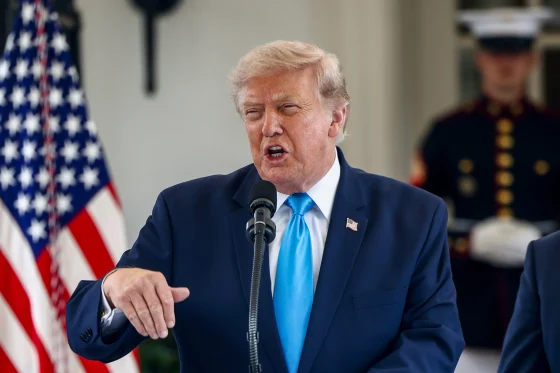
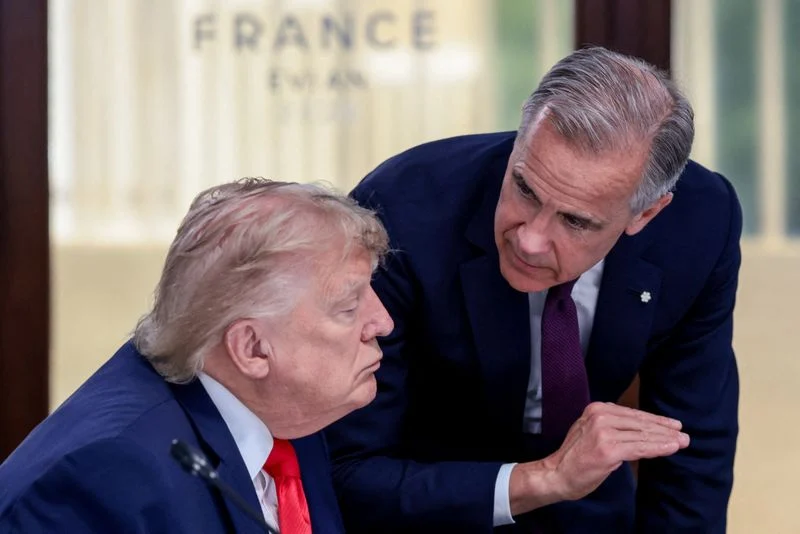
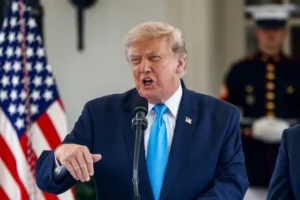
President Donald Trump criticized the decision shortly after it was announced and renewed his call for lower interest rates.
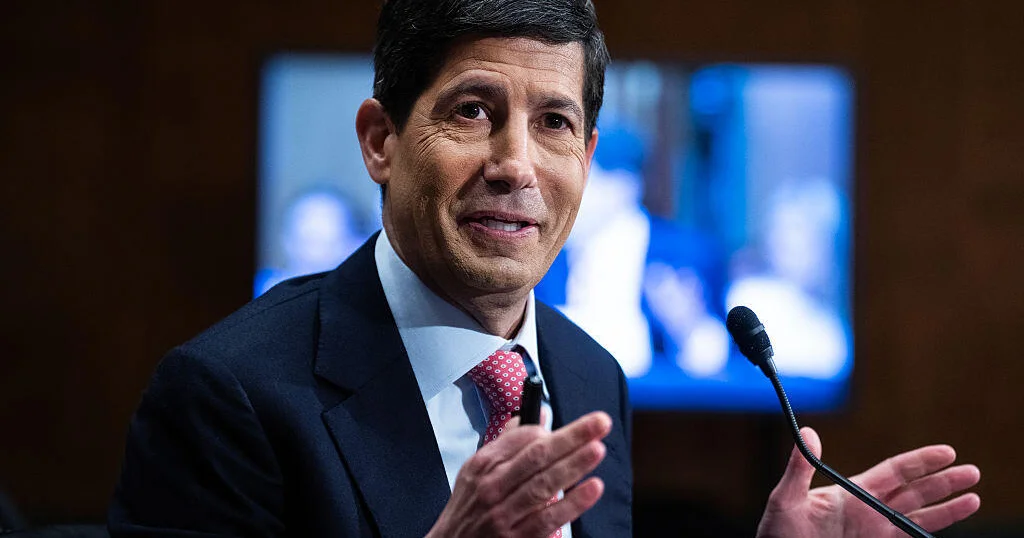
Later Wednesday, Trump said he continued to have confidence in Fed Chair Kevin Warsh but disagreed with the central bank’s decision. He also alleged that policymakers raised rates for political reasons and to damage his administration. The president did not provide evidence to support that claim.
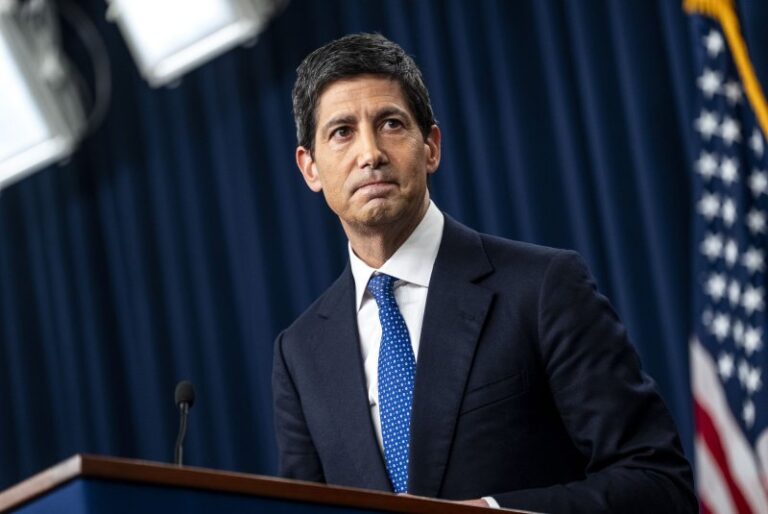
Warsh joined the other members of the Federal Open Market Committee in voting for the quarter-point increase. The 12-0 decision reflected policymakers’ concerns about inflation remaining above the central bank’s target.
Although the new federal funds target range remains considerably below the 5.25% to 5.5% level reached in 2023, borrowing costs remain significantly higher than the near-zero rates introduced during the COVID-19 pandemic.
The rate increase could influence borrowing costs throughout the economy, including rates on credit cards, business loans and some other forms of consumer credit, as the Fed continues its effort to bring inflation under control without significantly weakening economic activity.