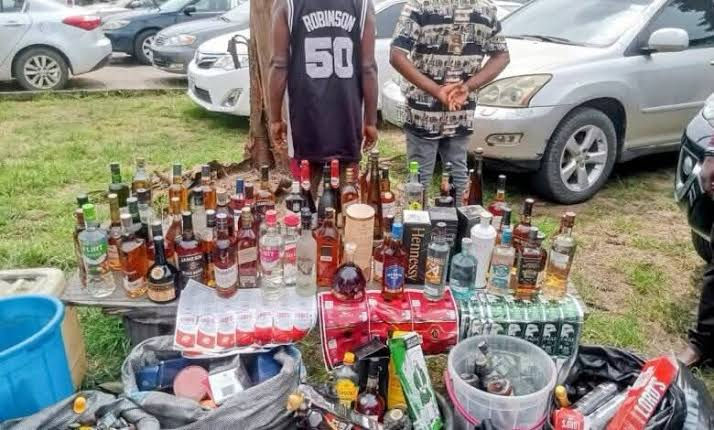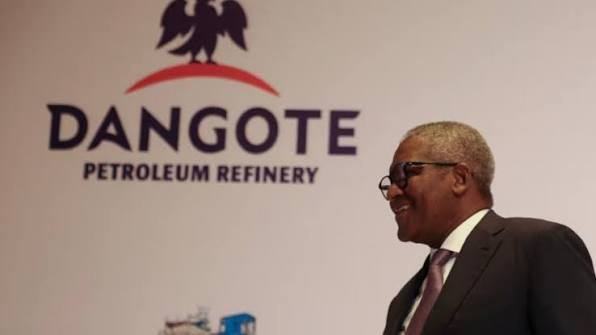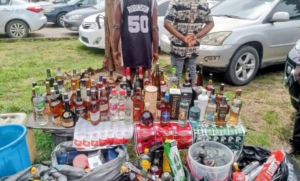
President of Dangote Industries Limited, Aliko Dangote, has said petrol remains cheaper in Nigeria than in neighbouring countries, creating an incentive for cross-border smuggling.
Speaking on Arise TV on Tuesday, Dangote said petrol prices in neighbouring countries were about 30 to 50 percent higher than in Nigeria, making it profitable for traders to move the product across the borders.
“I don’t know if you know that there’s still a lot of smuggling of the same petrol we are producing to our neighbouring countries because those neighbouring countries are about 30 percent to 50 percent more expensive than Nigeria. So it’s actually not like for like.”
He said petrol selling at N1,350 per litre in Nigeria was still 20 to 25 percent cheaper than in Niger.
“So it means that you take the list, and take it across the border. You pretend you are taking it to Sokoto, take it to Ilela, and you sell it.”
Amid concerns over rising fuel prices and the Middle East crisis, Dangote assured Nigerians that his refinery would continue supplying the domestic market.
“We will make sure that Nigeria will be fully, you know, I mean, delivered. We will deliver to Nigeria. Nigerians don’t need to worry,” he said.
“There will not be any shortage from our own part. There won’t be any shortage. There will not be any queues.
“And we’ll make sure that we keep satisfying the market.”
His assurance came as petrol prices rose to about N1,400 per litre in Lagos and N1,450 in Abuja on Monday.
Dangote also identified inconsistent government policies and inadequate electricity as major challenges facing Nigerian businesses, warning that high diesel costs were putting further pressure on manufacturers.
“The greatest problem, there are two, which are still existing. One is inconsistencies in government policies. The second one is to do with lack of electricity,” he said.
He also highlighted Africa’s power deficit, noting that about 600 million people on the continent lack access to electricity and calling for stronger efforts to address the crisis.