The Federal Government says economic reforms introduced by President Bola Ahmed Tinubu, including the removal of petrol subsidy and unification of foreign exchange rates, have generated ₦15.8 trillion in savings.
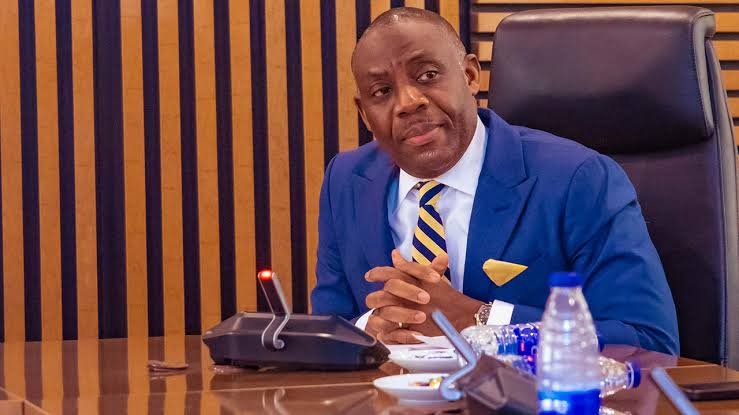
Minister of Finance and Coordinating Minister of the Economy, Taiwo Oyedele, disclosed this in Abuja while presenting the government’s three-year economic reform scorecard.
Oyedele said the subsidy savings had helped strengthen the country’s fiscal position, allowing states to meet obligations to workers and contractors with less reliance on borrowing.
Of the savings, states and local governments received about ₦10.4 trillion, while the Federal Government received ₦5.4 trillion.
According to the minister, the reforms also increased revenue, expanded fiscal space and reduced financial obligations that could otherwise have been transferred to future administrations.
He said the government generated an additional ₦3.1 trillion in independent revenue, largely through remittances from government-owned entities, while another ₦11.9 trillion was raised through borrowing.
Combined, the additional resources amounted to ₦20.4 trillion, which supported ₦30.64 trillion in additional expenditure.
The expenditure included ₦9.39 trillion for wage adjustments, minimum wage increases and allowances, ₦9.37 trillion for external debt servicing and ₦6.5 trillion for strategic infrastructure.
Oyedele said borrowing accounted for 58 per cent of the additional resources, subsidy savings contributed 27 per cent, while other revenue sources made up the remaining 15 per cent.
He also said the reforms had reduced the government’s dependence on excessive Ways and Means financing from the Central Bank of Nigeria.
However, the minister acknowledged that the reforms came with significant costs, including higher interest rates and petrol prices.
He noted that the Monetary Policy Rate increased from 18.5 per cent in May 2023 to 26.5 per cent, while petrol prices rose from about ₦185 per litre to between ₦1,100 and ₦1,400 per litre.
Oyedele argued that retaining the previous policies would have exposed Nigeria to deeper economic instability, including rising debt, higher prices, fuel shortages and a widening disparity between official and parallel foreign exchange rates.
He said 27 states were unable to reliably pay salaries in May 2023 and warned that the figure could have risen to at least 30 states by 2026 without the reforms.
The minister also said the legacy Ways and Means balance of about ₦30 trillion had been reduced instead of being allowed to grow further.
The government highlighted several social interventions introduced under the Tinubu administration, including support from the Nigeria Education Loan Fund for more than 1.5 million students, as well as cash transfers, subsidised mortgages and agricultural programmes aimed at supporting vulnerable households and improving food security.
On key economic indicators, Oyedele said headline inflation fell to 15.91 per cent in June 2026, from 22.41 per cent in May 2023, while food inflation declined from 24.82 per cent to 17.52 per cent.
He said gross foreign reserves increased to $52.5 billion, from about $35 billion at the beginning of the reform period, while net reserves rose from approximately $3 billion to $34.8 billion.
Nigeria’s real economic growth, according to Oyedele, also improved to 3.89 per cent, from 2.31 per cent in May 2023, while market capitalisation rose from about ₦31 trillion to roughly ₦150 trillion.
He further noted that S&P Global upgraded Nigeria’s sovereign credit rating to B in May 2026, describing it as the country’s first such upgrade in 14 years.
Despite the reported improvements, Oyedele acknowledged that poverty, food affordability and household welfare remained significant challenges.
“On food and household welfare, our own assessment is candid: this remains work in progress,” he said.
He said the next phase of the reforms would focus on translating macroeconomic gains into tangible improvements in household welfare through expanded cash transfers, agricultural interventions, better public reporting and stronger accountability.
“We are not here to pretend these reforms were painless. We are here to show you, honestly and with the numbers, what they cost, the benefits they delivered, and the harm they prevented,” Oyedele said.