The Nigeria Labour Congress (NLC) has intensified its political mobilisation ahead of the 2027 general election, urging Nigerian workers to unite and play a decisive role in determining the outcome of the presidential poll instead of remaining “mere objects of political manipulation.”
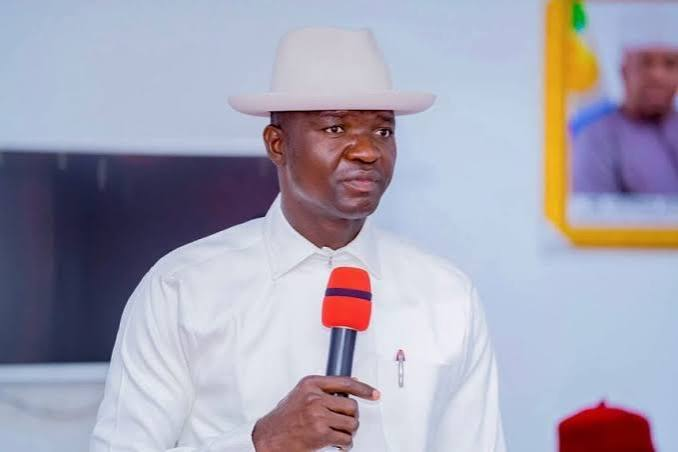
Speaking at the opening of the 2026 NLC Rain School held at the Workers Solidarity Centre in Uyo, Akwa Ibom State, NLC President Joe Ajaero said the country’s workforce has the numerical strength and collective influence to shape Nigeria’s political future if it remains organised and united.
According to Ajaero, the theme of this year’s Rain School, “The Working Class and the Politics of 2027,” was intentionally selected to prepare workers for a more active role in the nation’s democratic process.
“If we make up our minds and act unitedly, we will be in a position to define outcomes in the 2027 general elections,” Ajaero said.
He stressed that the era of workers watching from the sidelines of national politics should come to an end, arguing that those who drive the nation’s economy deserve a stronger voice in governance.
“The theme of this year’s school is deliberately chosen and profoundly strategic. It is a direct challenge to the political and economic establishment in this country. It declares that we, the producers of the nation’s wealth, refuse to be passive observers in the political process. We are the engine of the economy, the hands that build this nation, and we will not be treated as mere objects of political manipulation,” he said.
Despite the prevailing economic hardship, rising cost of living and poor wages, Ajaero urged workers not to underestimate their influence.
“We want to tell you the most important truth you will hear today; you are not insignificant. You are the lifeblood of this nation. You are the critical force that can force change,” he said.
“The industrial and political power of a nation does not reside in its treasury or its political party offices; it resides in the palms of your hands and in the collective strength of your solidarity.”
Addressing labour organisers, Ajaero said the movement possesses significant economic and political leverage capable of influencing national affairs if properly mobilised.
“Do you know that you can contract or expand the national economy with a single decisive action? This cannot happen if you do not realise the immense power resident in you and use it to mobilise at all levels of the trade union movement for a positive change in our nation,” he said.
He also called on labour leaders and gender advocates to intensify grassroots mobilisation ahead of the 2027 elections by encouraging more women to seek elective positions and by providing courageous leadership throughout the electoral process.
“It is the duty of every leader here to guide our unions with courage and foresight. We ask, are you prepared to provide leadership as we move into the 2027 general elections or do you believe that we do not have any role to play? Of course, we do.”
Ajaero maintained that organised labour was not seeking political favours but demanding accountable leadership that serves the interests of ordinary Nigerians.
“We are not supplicants begging for favours. We are the sovereign power from which all legitimate authority must derive. Our duty is to compel the politicians to work for the benefit of the greater majority, not just a privileged minority.”
The NLC president also disclosed that organised labour is preparing for negotiations on a new national minimum wage, insisting that the campaign for improved workers’ welfare must remain a priority.
“The battle for a living wage will soon begin in earnest. The paltry sum that currently passes for a wage can no longer be sustainable. It is a poverty wage.
“We must not go to the negotiation table with a begging bowl. We must demand a wage that can truly approximate a living wage; one that enables workers to feed, shelter, educate and provide for their families with dignity.”
Ajaero criticised the prolonged delay in forwarding the tripartite-reviewed labour law reforms to the National Assembly, describing the six-year wait as unacceptable.
He urged workers, lawmakers, civil society organisations and the media to mount sustained pressure on the Federal Government to ensure the reforms are transmitted and enacted into law.
The labour leader further blamed corruption and what he described as “kleptocracy” for Nigeria’s deepening economic challenges, alleging that the nation’s wealth is being diverted by a privileged few while citizens continue to endure hardship.
“Nigeria is not broke; the political class is saving it in their bank accounts. The only thing missing is not the money. It is our collective anger,” he said.
Ajaero concluded by urging participants to return to their various states as agents of change, describing the Rain School as a platform for strengthening worker mobilisation ahead of the 2027 elections.
“Be brave. Be bold. Be committed. Be united. Go back to your workplaces and your states not as a defeated class, but as the vanguard of a new Nigeria. Organise, mobilise and prepare for the struggles ahead. Nigeria is ours and it needs all of us.”