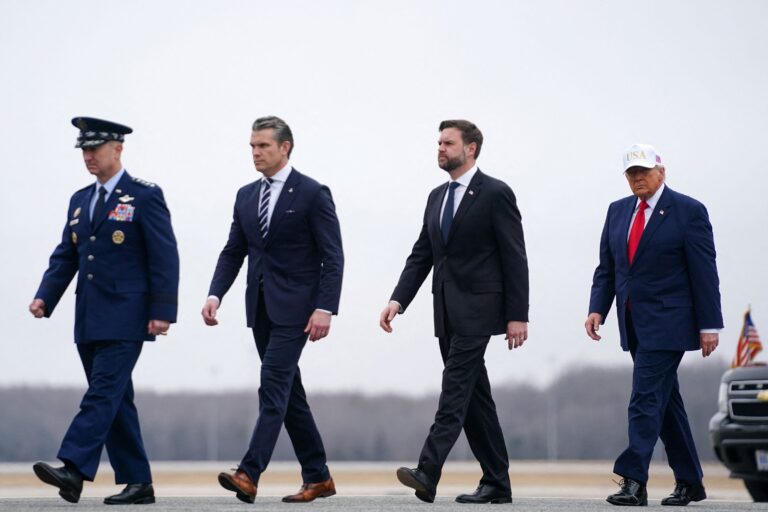
U.S. Vice President JD Vance and Chairman of the Joint Chiefs of Staff Dan Caine expressed concerns about further escalating the conflict with Iran during a White House meeting on Friday as President Donald Trump considered additional military action, according to CNN, citing a source familiar with the discussions and a U.S. official.
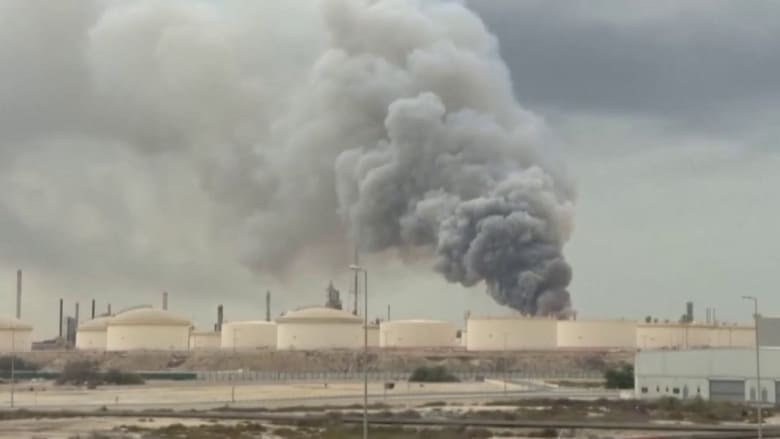
The meeting came as the United States appeared to suspend its aerial campaign against Iran after nearly two weeks of consecutive nightly strikes.
A Department of Defense source said on Saturday that military operations against Iran were currently “on hold,” though it remains unclear whether the pause will be temporary.
According to the report, Gen. Caine warned the president about the state of U.S. munitions stockpiles and outlined the potential consequences of expanding the military campaign.
While Caine said the U.S. military was capable of carrying out any orders successfully, he also cautioned that additional operations could have broader strategic implications.
Concerns about military stockpiles were among several issues raised during the meeting as administration officials weighed the costs and risks of continuing the strikes, the report said.
It remains unclear whether those concerns—or the possibility of a wider regional conflict—were the primary factors behind the decision to pause the bombing campaign.
The White House reiterated that the administration continues to favor a diplomatic resolution while maintaining the option of further military action if necessary.
“President Trump has always been consistent in saying he prefers a diplomatic solution, but he continues to retain all options if Iran continues terrorist activities in the Strait of Hormuz or against allies,” White House Communications Director Steven Cheung said in a statement.
Cheung added that the administration believes sustained economic sanctions, combined with 13 consecutive days of military strikes targeting Iranian assets, have significantly increased pressure on Tehran.
“It would be wise for Iran to work towards a negotiated deal. Otherwise, they know what will happen,” he said.
The pause in U.S. operations comes amid growing international concern that continued military exchanges between Washington and Tehran could trigger a broader regional conflict and further disrupt global energy markets.