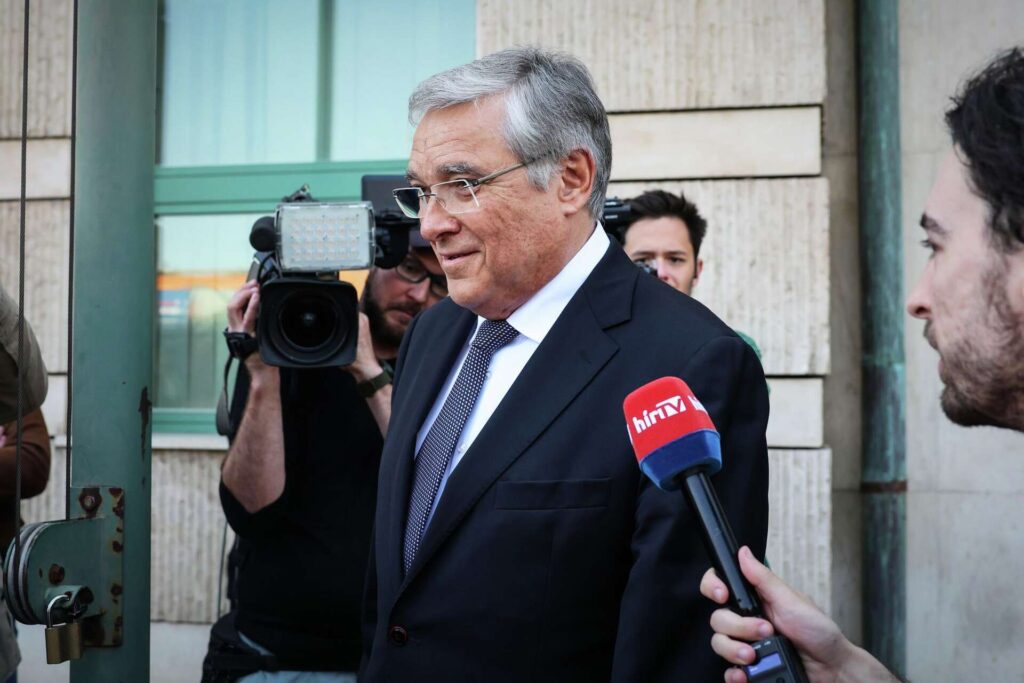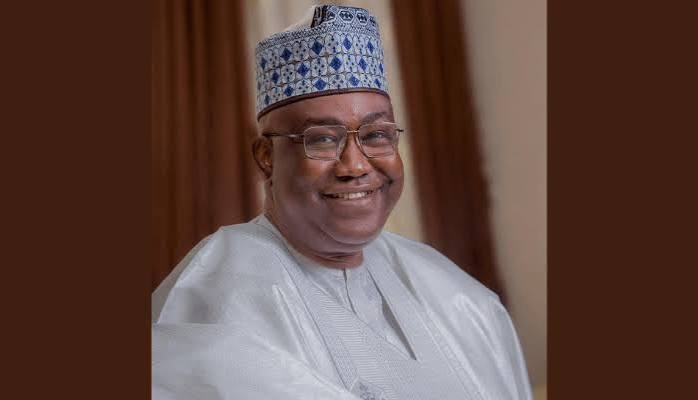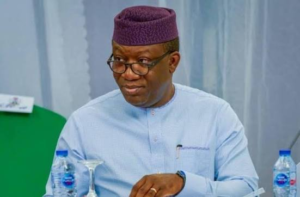
Retired Deputy Inspector General of Police, Mohammed Usaini Gumel, has been appointed Secretary of the Project 774 Network for Asiwaju, as the group prepares to launch a nationwide campaign promoting citizen participation in tackling insecurity.
Confirming his appointment during a telephone interview on Tuesday, Gumel said the network would officially commence its sensitisation programme on July 27, 2026, at the Ladi Kwali Hall, Abuja Continental Hotel.
The event, themed “Our Security, Our Duty: Citizens Standing with Our Troops to End Terrorism, Banditry and Kidnapping,” is expected to bring together traditional rulers, religious leaders, government officials and other stakeholders to discuss practical strategies for strengthening community involvement in addressing insecurity.
According to Gumel, the conference will conclude with a citizens’ declaration reaffirming public commitment to supporting security agencies and working collectively to combat terrorism, banditry and kidnapping across the country.
He urged Nigerians to regard security as a shared national responsibility rather than a political issue, stressing that many security challenges originate at the grassroots and require active community participation.
“Banditry, kidnapping and similar crimes are largely concentrated in rural communities. Local residents therefore have a critical role to play in helping security agencies tackle these threats,” he said.
Gumel also commended President Bola Tinubu’s administration for implementing reforms aimed at strengthening security, including local government financial autonomy, which he said would empower grassroots leaders to play a greater role in safeguarding their communities.
He praised the efforts of the military, police and other security agencies in combating insecurity, calling on Nigerians to support security personnel instead of undermining their operations.
Speaking on the proposed creation of state police, the retired police chief expressed strong support for decentralised policing, arguing that it would improve intelligence gathering and enhance community security.
While acknowledging concerns over potential abuse, Gumel maintained that appropriate constitutional safeguards could address such fears.
“History should guide reform, not prevent it,” he said, adding that Nigeria’s democratic institutions have evolved significantly since the regional police system was abolished more than five decades ago.
He noted that stronger judicial independence, legislative oversight, media scrutiny and civic engagement now provide a more suitable environment for the successful implementation of state police.
Gumel further observed that decentralised policing remains a standard feature of many federal democracies, where national and subnational police forces operate within clearly defined constitutional responsibilities, professional standards and effective oversight mechanisms.