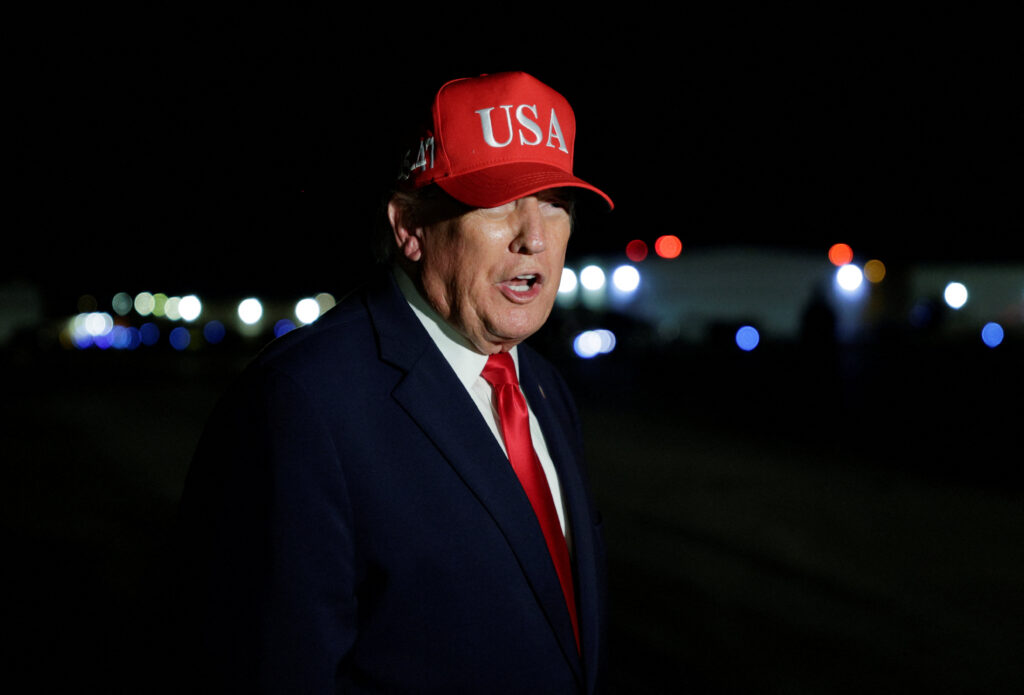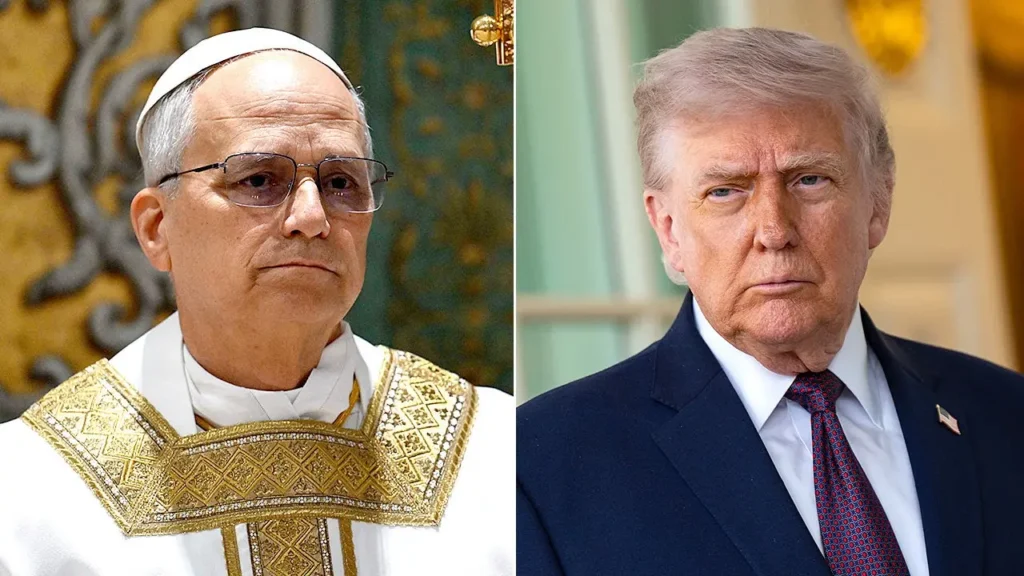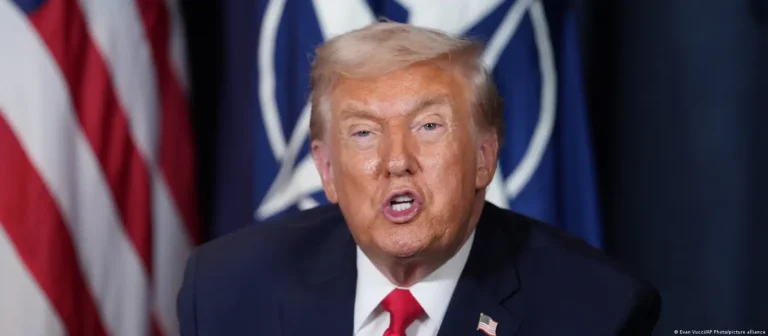
President Donald Trump will travel to Ankara, Turkey, this week for the NATO leaders’ summit as a fragile ceasefire between the United States and Iran holds and longstanding disagreements with America’s NATO allies continue.
The two-day summit will take place Tuesday and Wednesday at the Beştepe Presidential Complex under the chairmanship of NATO Secretary-General Mark Rutte.
The formal opening is scheduled for Tuesday, with the summit expected to conclude on Wednesday, when Trump is slated to hold a news conference.
According to the White House schedule, the president will depart Washington on Monday evening and return to the United States on Wednesday night.
During his visit, Trump is expected to hold bilateral meetings with Turkish President Recep Tayyip Erdoğan and Ukrainian President Volodymyr Zelenskyy, in addition to participating in several working sessions with NATO leaders.
Defense spending expected to dominate discussions
One of the summit’s central topics will be NATO members’ progress toward meeting the alliance’s defense spending targets.
Speaking ahead of the meeting, U.S. Ambassador to NATO Matthew Whitaker said leaders would review efforts by member states to increase defense spending to 5 percent of gross domestic product and assess the alliance’s broader military capabilities.
“We’ll take stock of our allies’ expanding NATO’s capabilities in support of the burden-shifting going on here on the European continent,” Whitaker said.
He noted that several countries, including Poland and the Nordic and Baltic nations, have made significant progress, while Germany remains on track to meet the target by 2029.
However, Whitaker said many other allies continue to lag behind.
Questions over U.S. commitment
The summit also comes after Trump has repeatedly questioned the future of U.S. participation in NATO.
Earlier this year, the president voiced frustration over what he viewed as limited European support during the U.S. military campaign involving Iran, particularly regarding operations connected to the Strait of Hormuz.
Asked in April whether he might reconsider U.S. membership in the alliance, Trump replied that the issue was “beyond reconsideration.”
“I was never swayed by NATO,” he said at the time. “I always knew they were a paper tiger, and Putin knows that too.”
Throughout his presidency, Trump has consistently argued that European allies should shoulder a greater share of the alliance’s defense responsibilities rather than relying heavily on the United States.
Despite those comments, Whitaker emphasized Washington’s continued commitment to the alliance.
“The United States remains a proud NATO member,” he said, while noting that the country also faces significant security responsibilities in other regions as “the world’s only superpower.”
The Ankara summit is expected to focus on defense spending, collective security, the war in Ukraine, and the alliance’s future strategic direction amid a rapidly evolving global security environment.