The decision by Shoko Kawata to take maternity leave has sparked widespread discussion in Japan, highlighting ongoing debates about gender equality and expectations for women in public office.
Kawata, the 35-year-old mayor of Yawata, announced in May that she was expecting her first child and intended to take maternity leave, becoming the first mayor in Japan to do so.
The announcement quickly spread through the city of about 68,000 residents, known for its traditional tea culture and cherry blossoms.
Many residents welcomed the news and congratulated Kawata on her pregnancy. Supporters presented her with gifts, including hand-crocheted baby shoes and ceremonial stones believed to bring good fortune.
However, the decision also drew criticism, particularly from some who argued that taking maternity leave was incompatible with the responsibilities of leading a city.
Critics accused the mayor of putting her personal life ahead of her public duties, with some describing the decision as irresponsible.
The reaction, Kawata said, underscored the persistence of gender-based discrimination in Japanese society.
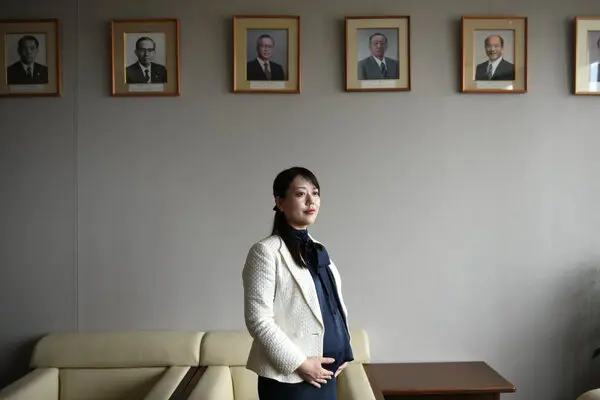
“I somehow realized for the first time just how much discrimination still exists,” Kawata, who is now six months pregnant, said during an interview at City Hall.
Her office is lined with portraits of her predecessors—all of whom were men—a reminder of the traditionally male-dominated nature of Japanese politics.
Kawata’s decision has fueled a broader national conversation about workplace equality, parental leave and the challenges women continue to face in leadership positions.
While Japan has introduced policies aimed at encouraging work-life balance and increasing women’s participation in politics and the workforce, critics say deeply rooted social expectations continue to make it difficult for women to balance family life with public leadership.
Supporters argue that Kawata’s decision could help normalize maternity leave for elected officials and encourage broader acceptance of family-friendly policies across both the public and private sectors.
As Japan continues to grapple with declining birth rates and an aging population, the debate surrounding Kawata’s maternity leave has become a symbol of the country’s broader struggle to modernize workplace and political culture.