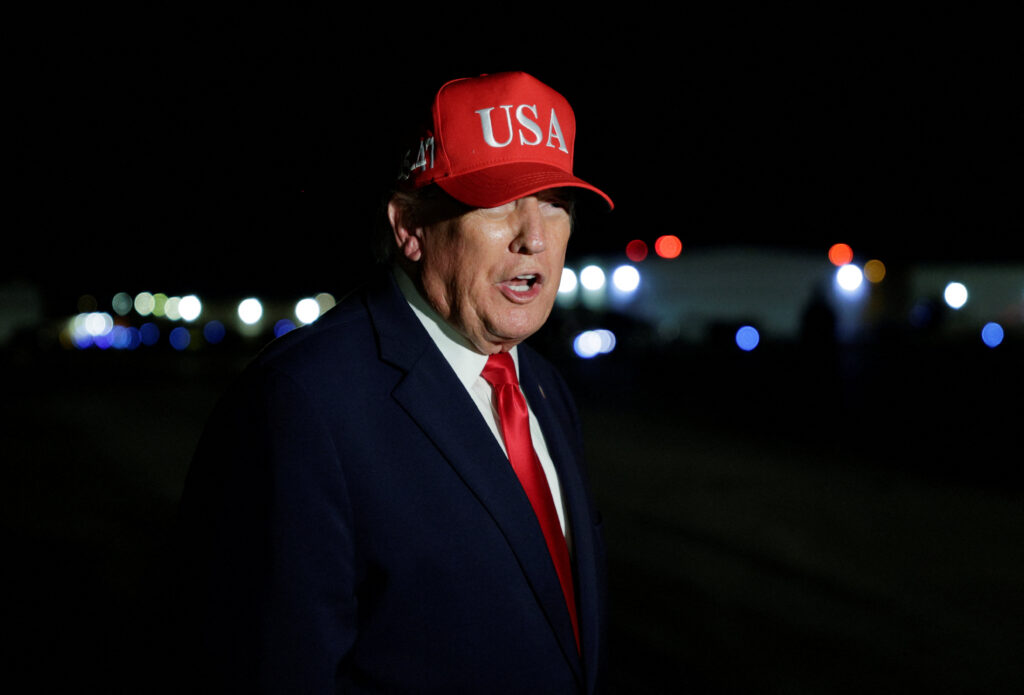
Apple has unveiled a new $100 billion investment in the United States, bolstering its previous $500 billion domestic commitment as it faces increasing pressure from President Donald Trump to shift more of its global production onto American soil.
According to the White House, the expanded investment will strengthen domestic manufacturing and shield Apple from looming tariffs, including a proposed 100% tax on foreign-produced chips and semiconductors.
“Today’s announcement is a major win for American industry,” a White House spokesperson said. “It supports our efforts to bring critical supply chains back home and protect our national and economic security.”
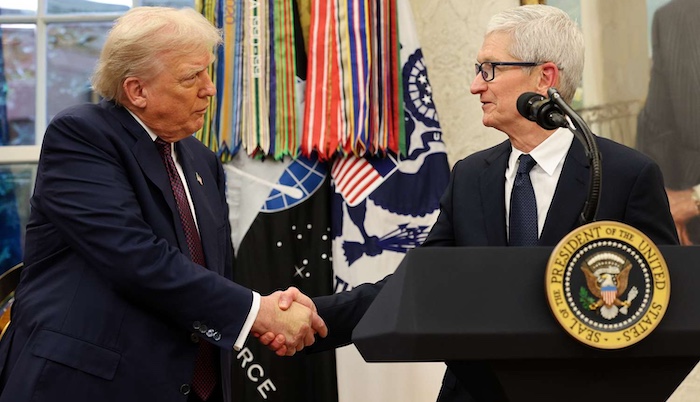
At a joint appearance with Trump at the White House, Apple CEO Tim Cook emphasized the positive results from the company’s existing U.S. investments and outlined plans to deepen Apple’s domestic footprint. He highlighted new projects including nationwide data centers and a high-tech smart glass production facility in Harrisburg, Kentucky, to support the iPhone and Apple Watch.
“The original $500 billion investment is already bearing fruit,” Cook said. “This additional funding will accelerate the production of essential components right here in America for use across our global product line.”
Cook also announced a series of initiatives aimed at strengthening U.S. manufacturing, including the launch of a manufacturing academy in Michigan and a $500 million deal with MP Materials to purchase domestically produced rare earth magnets.
“Our strategy is long-term,” Cook said. “We’re committed to working with American partners to build resilient supply chains.”
To mark the occasion, Cook presented Trump with a custom glass sculpture crafted from Apple materials, assembled on the Resolute Desk.
The announcement comes on the heels of Trump’s warning earlier this year that Apple could face tariffs unless it brought iPhone production stateside. In January, the administration imposed a 30% tariff on Chinese-made goods, reigniting trade tensions.
While Apple has worked to diversify its supply chain by sourcing more components from India and Vietnam, it still paid more than $800 million in import duties during the second quarter of the year—and anticipates another $1.1 billion in the coming months. New tariffs on Indian-manufactured goods, which may climb as high as 50%, have further complicated the outlook.
Despite some exemptions for select electronics, the Trump administration has remained firm in its push for reshoring. Since returning to office, Trump has repeatedly spotlighted major corporate investment pledges as evidence of a manufacturing revival—though economists caution that headline figures often overstate actual economic impact.