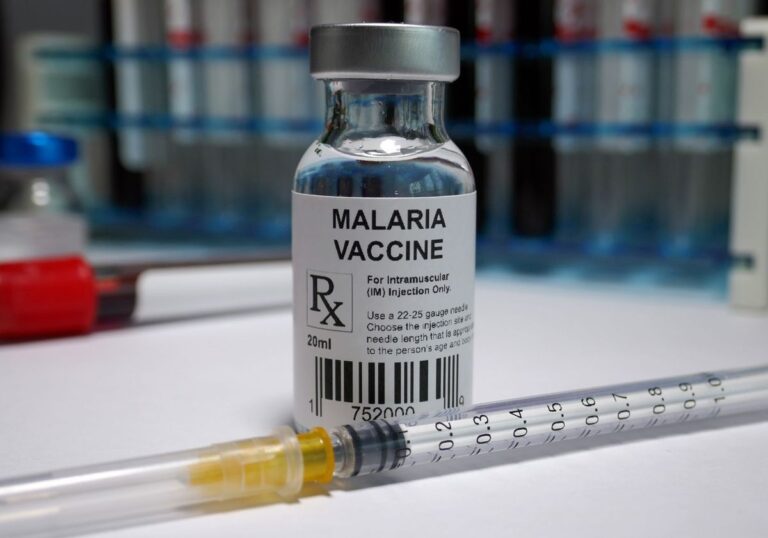
The World Health Organization (WHO), has disclosed that the first rollout of the malaria vaccine, which is presently being reserved and tested in Ghana, Kenya, and Malawi before being made available by January 2023 to other eligible endemic countries like Nigeria.
In sub-Saharan Africa, malaria continues to be the greatest cause of sickness and death in children. In 2020, malaria claimed the lives of approximately 500,000 African children, or one child every minute.
In African communities, the world’s first malaria vaccine has quickly gained widespread acceptance since its launch in 2019. Demand is high even in the context of COVID-19: vaccination performance for the first dose is reaching between 73 percent to over 90 percent coverage, depending on the country, with no major disruptions during the pandemic. To date, about 1.3 million children have benefitted from the vaccine in the three African pilot countries.
Meanwhile, GAVI, the vaccine alliance, is opening its first application window for support in rolling out the first-ever malaria vaccine, to protect children against a disease that kills hundreds of thousands in Africa.
Ghana, Kenya, and Malawi are invited to apply by 13th September. Other countries can submit expressions of interest in advance of a second window at the end of 2022.
During a video conference yesterday, WHO praised Gavi, the Vaccine Alliance, for introducing the unique opportunity for countries to apply for funding to introduce or continue rolling out the RTS, S/AS01 (RTS,S) malaria vaccine.
Starting with Ghana, Kenya, and Malawi, the three African countries that began the pilot introduction of the vaccine in 2019, the international support of nearly US$ 160 million from 2022–2025 will facilitate increased vaccine access to children at high risk of illness and death from malaria, the organization said. The program will then be expanded to other eligible endemic countries.
WHO regional director for Africa, Dr. Matshidiso Moeti, said, “Gavi’s new funding opportunity brings us one step closer to reaching millions more children across Africa with the lifesaving RTS,S malaria vaccine.
“Throughout the pandemic, when routine health services faced myriad challenges, parents and caregivers diligently brought their children to clinics and health posts to get the malaria vaccine. They know all too well that lives are being lost to malaria every day and are eager to protect their children from this deadly disease.”
The managing director of country programmes at GAVI, Thabani Maphosa said, “Malaria has devastated communities for far too long in Africa. We know that initially, supply will not meet demand, nevertheless, we look forward to working with countries and our partners to introduce and scale this new tool in our fight against malaria, which could save the lives of thousands of children across the continent.”
Maphosa disclosed that “GAVI is proud to support this vaccine, and we hope this is just the beginning of a broader rollout that will see populations across the continent increasingly protected against this deadly disease.”
Like with many new vaccines, the supply of the malaria vaccine is limited as vaccine production ramps up. “It is projected that at scale, using this vaccine could save tens of thousands of young lives each year, but we will need an increased supply of the vaccine so Africa can reap the benefits of this additional tool for malaria prevention,” said a malaria disease expert from the University of Yaounde in Cameroon, Professor Rose Leke.
Over the next few years, the supply of the RTS,S malaria vaccine will be insufficient to meet the needs of over 25 million children born each year in areas where the vaccine is recommended, according to a WHO-commissioned global market study. Should a second malaria vaccine complete clinical development successfully and be approved for use, the period of constrained supply could be shorter. The demand is estimated to range from 80 to 100 million doses annually.
In response to the supply situation, WHO has however developed, with expert advice, a framework to guide vaccine allocation decisions at global and country levels that ensures children at highest risk across endemic countries are prioritized to receive the vaccine.
The framework also aims to ensure that childhood vaccination services started in the three pilot countries continue without disruption until supply fully meets demand.