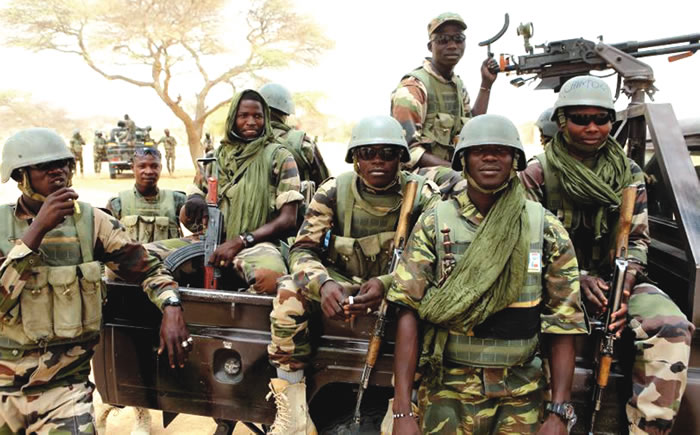
Sudan’s once-dominant Islamist movement is maneuvering for a political resurgence by aligning itself with the military amid the country’s ongoing civil war, according to senior figures within the group. Rooted in the former ruling National Congress Party (NCP), the movement has deployed fighters to support the Sudanese Armed Forces (SAF) and is reportedly backing a prolonged period of army-led governance.
Ahmed Haroun, chairman of the NCP and one of four Sudanese officials wanted by the International Criminal Court, told Reuters in a rare interview that he expects the military to maintain a political role after the conflict ends. He added that future elections could serve as a pathway for Islamists to reclaim national leadership.
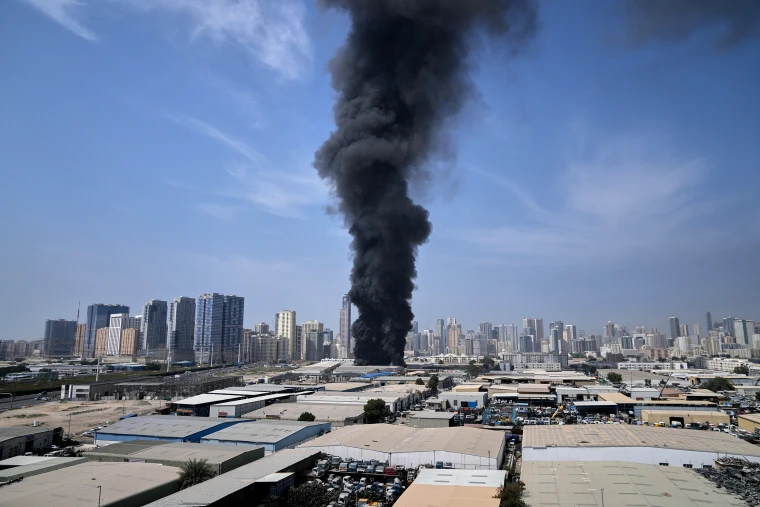
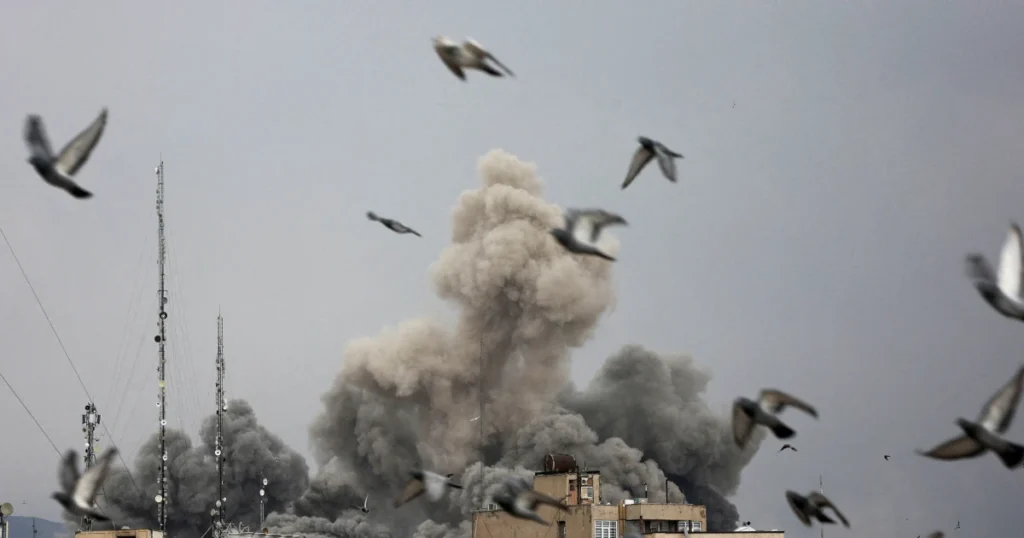
Sudan has been engulfed in a brutal war for over two years between the SAF and the paramilitary Rapid Support Forces (RSF). The fighting has fueled ethnic violence, famine, and displacement, prompting the United Nations to declare it the world’s worst humanitarian crisis. While the RSF still holds large parts of Darfur and southern Sudan, recent army gains—allegedly bolstered by Islamist factions—have shifted momentum toward the SAF.
Although top military leaders and former loyalists of ousted President Omar al-Bashir have denied formal ties to the Islamists, multiple sources told Reuters that Islamist involvement in the conflict is increasing. Seven members of the Islamist movement and six individuals within the military and government confirmed growing coordination and confidence among Islamists seeking to re-enter the political arena.
The NCP, which once harbored al-Qaeda leader Osama bin Laden during Bashir’s rule in the 1990s, has moderated its ideology in recent years, now prioritizing political survival and economic influence. A successful comeback could roll back many of the democratic reforms initiated after the 2018 uprising and complicate Sudan’s relationships with regional powers like the United Arab Emirates, which remain wary of Islamist expansion.
Signs of a political shift are already emerging. Since June, several known Islamists and allies have reportedly been appointed to key positions in the transitional cabinet led by Prime Minister Kamil Idris, a military-installed technocrat.
When reached for comment, a spokesperson for Sudan’s military leadership denied formal alliances with any political faction, saying: “Some Islamist leaders may want to use the war to return to power, but we say categorically that the army does not ally or coordinate with any political party and does not allow any party to interfere.”
Still, as the war drags on, the growing influence of Sudan’s Islamist factions suggests they may be laying the groundwork for a return to power in a post-conflict Sudan.