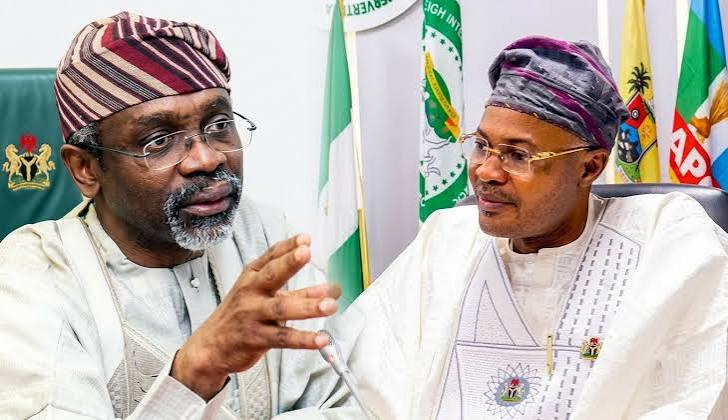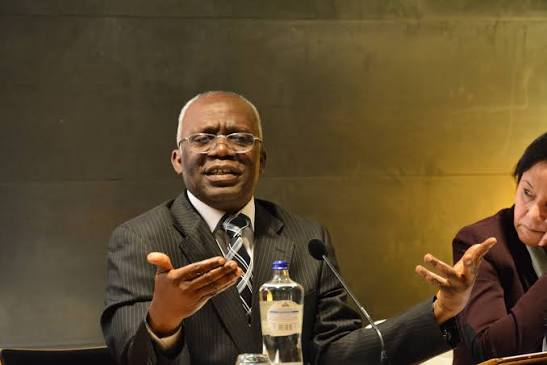
Human rights lawyer Femi Falana has warned that establishing state police will not resolve Nigeria’s insecurity unless governments also tackle poverty, unemployment, and other socio-economic factors driving crime.
Speaking on Channels Television’s Politics Today, Falana argued that the country’s security debate has focused too heavily on policing structures while neglecting the underlying social conditions that fuel criminality.
“We always reduce the problem of insecurity to security architecture, in fact structure. How do we have more police stations? How do we employ more policemen and women without considering social security?” he said.
He questioned why insufficient attention was being paid to job creation and support for vulnerable Nigerians.
“Why are more young men taking to criminality? Why are we not talking about creating employment for young people? Why are we not giving assistance to Nigerians that are vulnerable, extremely poor or dimensionally poor? And unless you address these problems holistically, creating a state police or local government police will not address the crisis of insecurity in the country,” Falana stated.
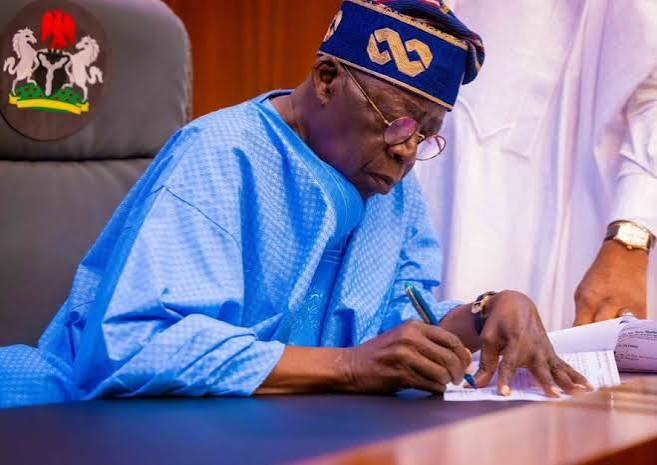
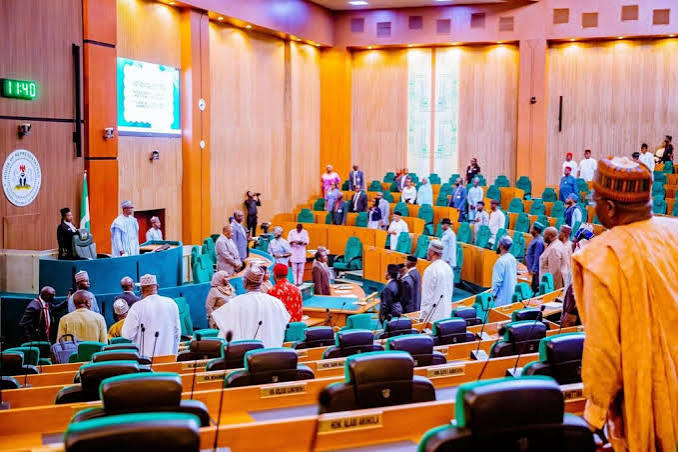
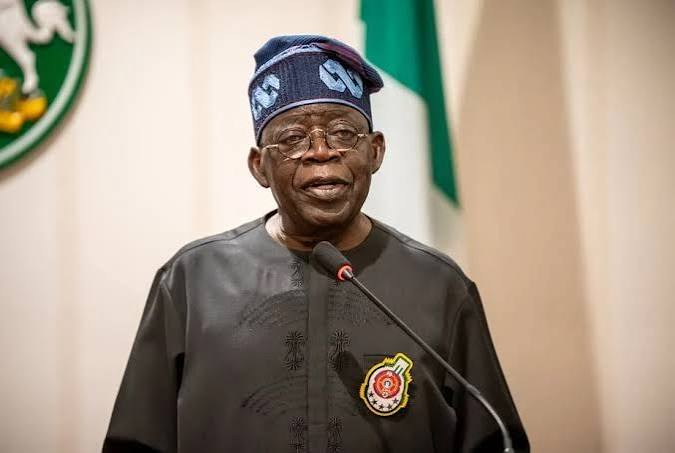
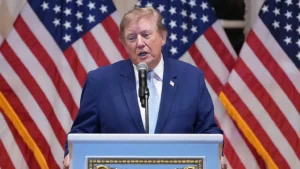
His remarks followed the transmission by President Bola Ahmed Tinubu of a constitutional amendment bill seeking to establish state police services. The bill has since passed the Senate after receiving the support of more than two-thirds of senators.
If eventually enacted, the legislation will replace the existing single policing framework with a dual system comprising a Federal Police Service and separate State Police Services. The proposal also empowers state governors to appoint commissioners of police, subject to confirmation by their respective state Houses of Assembly.
Falana noted that decentralised policing is not new to Nigeria, recalling that the country operated a regional police system during the First Republic before it was abolished.
According to him, the previous arrangement was scrapped because of widespread abuse of police powers by regional authorities.
“If we now want to go back to the status quo ante bellum, we must ask questions. The fears that were entertained, the problem that led to the abolition of the dual policing system, have they been taken care of? I haven’t seen any signs. I have seen the bill passed by both chambers of the National Assembly; the bill is so sketchy,” he said.
The senior advocate also expressed concerns about the proposed oversight mechanisms for state police and questioned the financial capacity of many state governments to sustain independent police services.
He noted that several states already struggle to meet basic obligations, including the payment of workers’ salaries and pensions, raising doubts about their ability to adequately fund and manage state police forces.