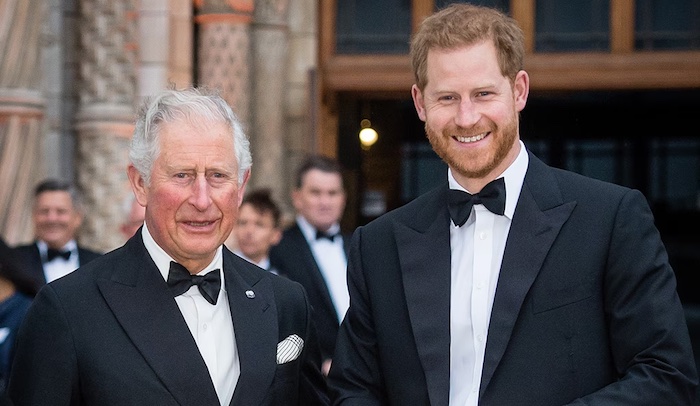
Prince Harry and King Charles III met privately for tea at Clarence House on Wednesday, marking their first face-to-face encounter in nearly two years—a potentially significant step toward healing a long-standing family rift.
The meeting came ahead of Harry’s appearance at a London event for the Invictus Games and was confirmed by palace officials as a private engagement. The last time father and son met was in February 2024, when Harry flew to the UK following news that the King had been diagnosed with cancer. Charles, now 76, is still undergoing treatment.
When asked about his father’s health afterward, Harry, 40, responded warmly:
“Yes, he’s great, thank you.”
Since stepping back from royal duties and relocating to California in 2020 with his wife Meghan Markle and their children, Harry has publicly criticized the royal institution—including in his memoir “Spare,” as well as in interviews and documentaries. His candid remarks about Charles and Prince William contributed to a dramatic breakdown in family relations.
Yet in recent months, Harry has shown signs of wanting to mend fences. In a BBC interview following his failed legal bid for UK police protection, he acknowledged the toll the estrangement has taken:
“Of course some members of my family will never forgive me… But I would love reconciliation with my family. There’s no point in continuing to fight anymore. Life is precious.”
The secrecy surrounding Wednesday’s meeting underscored its sensitivity. Earlier reports suggested both sides had laid groundwork for this moment, including quiet talks between the King’s communications team and Harry’s representatives.
Royal historian Anthony Seldon described the reunion as deeply meaningful:
“The king is the king, but he’s also a human being and a loving father. The rift will have caused both of them a lot of anguish. If it can be healed, now or later, that is all to the good.”
Whether this meeting signals the start of lasting reconciliation remains to be seen. But for a family often defined by protocol and distance, tea at Clarence House could represent a tentative but hopeful turning point.