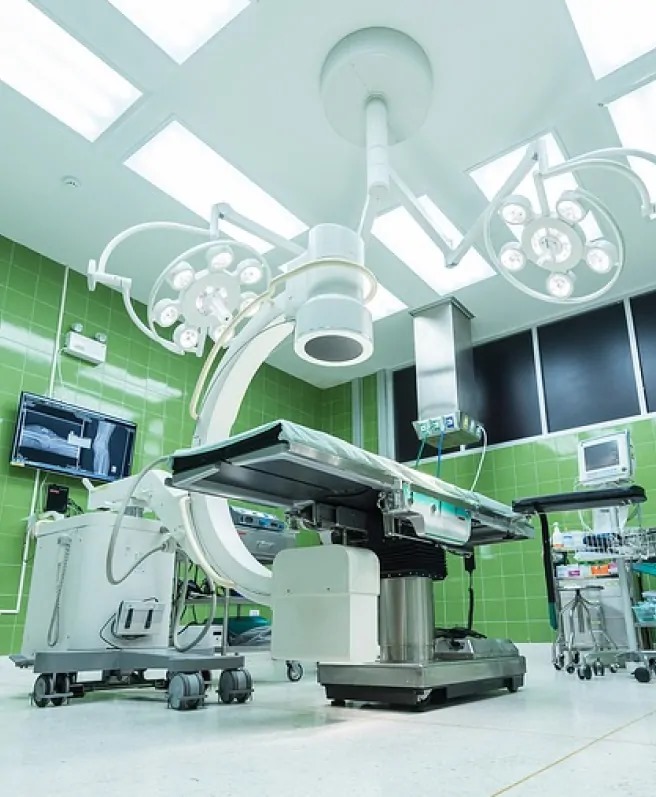
President Bola Tinubu has inaugurated the Nigeria Sovereign Investment Authority (NSIA)-Healthcare Expansion Programme and a retraining initiative for 120,000 frontline health workers, marking significant strides in the nation’s healthcare sector.
According to a statement by presidential spokesman Ajuri Ngelale, the Healthcare Expansion Programme is a landmark achievement that will establish 10 world-class healthcare facilities specializing in oncology and diagnostics across Nigeria’s six geopolitical zones. This initiative builds on the success of previous NSIA projects, such as the NSIA-Lagos University Teaching Hospital (LUTH) Cancer Centre, the NSIA-Kano Diagnostic Centre, and the NSIA-Umuahia Diagnostic Centre.
During the launch event in Bauchi State, President Tinubu, represented by the Coordinating Minister of Health and Social Welfare, Professor Muhammad Ali Pate, emphasized that these new projects would complement ongoing expansions in cancer infrastructure and equipment at six federal teaching hospitals. He highlighted that the facilities are not only essential for healthcare delivery but also vital for reversing the trend of outbound medical tourism.
The president noted that once the first phase is completed, the NSIA, through its subsidiary Medserve, will operate the largest chain of oncology and diagnostic centers in West Africa. This network will have the capacity to train up to 500 clinicians over three years and will enhance clinical trial and research capabilities.
President Tinubu expressed his gratitude to the Coordinating Ministers of Health and Social Welfare and the Economy, as well as the NSIA, for their innovative efforts in making the program a reality.
He stressed that such inter-sectoral partnerships are crucial for achieving significant healthcare and economic outcomes. “This program will serve as a blueprint for future healthcare infrastructure projects, moving us closer to our national healthcare goals: saving lives, reducing suffering, and ensuring health for all Nigerians,” the president stated.
Additionally, President Tinubu highlighted the importance of the retraining initiative for 120,000 frontline health workers, which he regards as a personal performance indicator in his role as the African Union (AU) Champion for Human Resources for Health and Community Health Delivery Partnership.
He acknowledged that health workers are the backbone of the healthcare system and emphasized that equipping them with the latest skills and knowledge is essential to meet the evolving healthcare needs of the population.