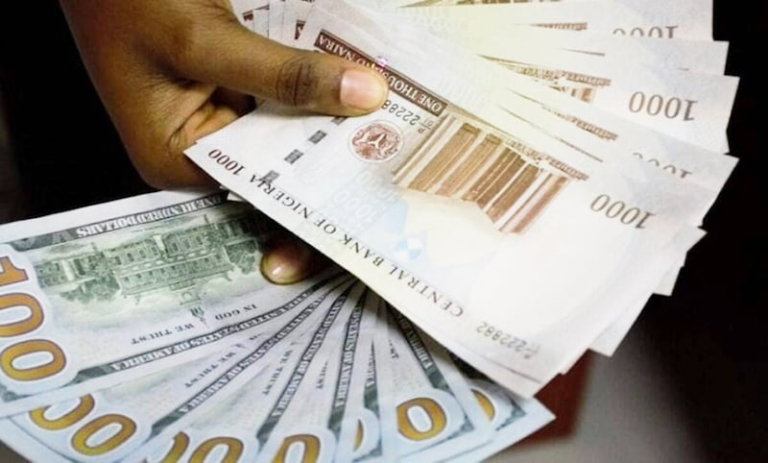
Nigeria’s foreign exchange reserves have risen to $41 billion, their highest level in 44 months, according to data released Tuesday by the Central Bank of Nigeria (CBN). The reserves last at this level on December 3, 2021 are now sufficient to cover about 10 months of imports, signaling a sharp turnaround after years of external debt pressures.
Analysts credit the rebound to stronger oil revenues, improved foreign exchange inflows, reduced import demand, and recent government reforms. The increase bolsters the CBN’s ability to stabilize the naira, manage liquidity, and ward off speculative attacks.
The apex bank projects reserves could grow to $100 billion, a milestone it says would strengthen the economy and ease concerns about Nigeria’s external accounts.
Figures show reserves climbed by $1.46 billion between August 1 and August 19, a 3.69% rise in under three weeks, averaging inflows of $81 million daily. The stock crossed $40 billion on August 7, reached $40.5 billion by August 12, and surged past $41 billion just a week later.
“This steady accretion reflects inflows consistently outpacing outflows, boosting investor confidence,” economists noted. Combined with easing inflation and falling commodities prices, the trend suggests government reforms are starting to yield results.
Still, year-to-date growth remains modest. Reserves stood at $40.88 billion in December 2024, meaning the latest level represents only a 0.30% increase, or $124 million, after a sluggish first half of 2025 marked by oil price volatility and debt obligations.
At the July Monetary Policy Committee meeting, CBN Governor Olayemi Cardoso said stronger fundamentals including higher capital inflows, rising crude oil output, non-oil export growth, and lower import volumes were driving the gains.
“There is a lot of interest internationally in putting money into the Nigerian financial system,” Cardoso stated. “The key thing is that we, as regulators, will continue to ensure resilience and adherence to the rules, which is vital for investor trust.”
Economists say the stronger reserves could improve Nigeria’s sovereign credit outlook, reassure global investors of the country’s ability to meet foreign obligations, and provide a stronger shield against liquidity shocks.
With reserves strengthening, inflation easing, and the naira holding steady, analysts believe Nigeria is entering a more favorable macroeconomic phase provided reforms are sustained and inflows remain robust.