NATO allies are rushing military reinforcements to Poland following what Warsaw has called the most serious breach of its airspace by Russian drones since the start of Moscow’s full-scale invasion of Ukraine in 2022. The incident, which saw several drones cross into Polish territory on Wednesday, has sharply raised concerns over potential escalation on the alliance’s vulnerable eastern flank.
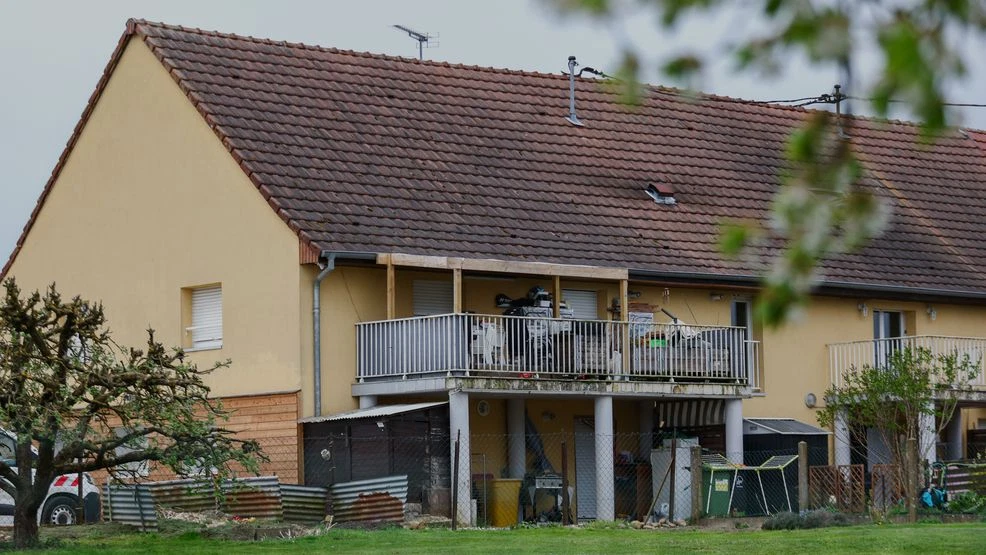
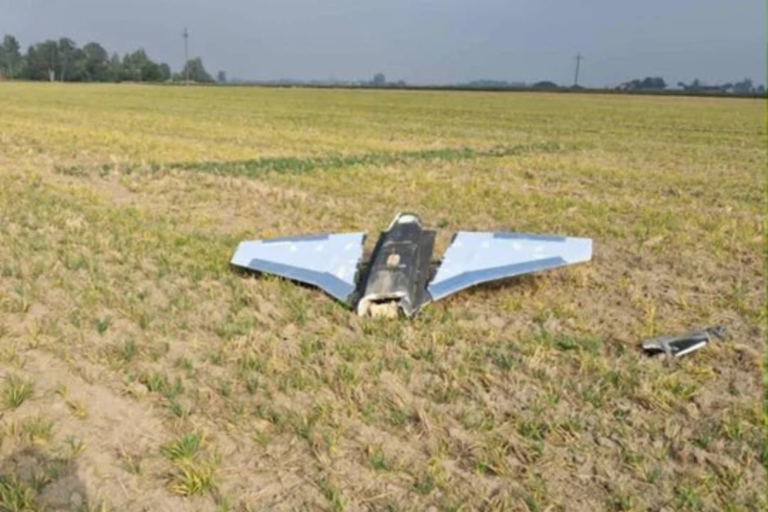
Polish authorities confirmed that multiple Russian drones penetrated their airspace, with three shot down by Polish forces and others crashing in remote areas of eastern Poland. Though similar incidents have occurred before, Warsaw stressed that this marked a significant escalation, calling it an “unprecedented violation.”
In swift response:
- The Netherlands pledged 300 soldiers, missile batteries, and artillery units.
- The Czech Republic committed helicopters and 100 troops.
- Germany promised to reinforce air policing and expand its military presence along the eastern frontier.
- France has dispatched three Rafale fighter jets to patrol Polish skies.
French President Emmanuel Macron condemned the incursion as “Russia’s growing intimidation” and vowed that “We will not yield.”
Polish Defence Minister Wladyslaw Kosiniak-Kamysz welcomed the support, saying it marked a shift from “words of solidarity to concrete actions,” referencing Poland’s historical sense of abandonment during past European conflicts.
NATO’s Supreme Allied Commander Europe, General Alexus Grynkewich, confirmed that an investigation is underway to determine whether the airspace violation was intentional. However, Polish President Karol Nawrocki has already labeled the drone incursion as a “deliberate provocation” by Moscow meant to “test NATO’s resolve.”
Meanwhile, Ukrainian President Volodymyr Zelensky renewed calls for a joint NATO-European air defense shield, warning Russia’s insolence will only grow if Europe remains exposed.”
Zelensky also offered Ukraine’s expertise in counter-drone warfare, gained through nightly combat operations.
With the Russian-Belarusian “Zapad 2025” military exercises scheduled to begin Friday, Poland has moved to close its border with Belarus for national security reasons. Russia quickly condemned the move as harmful to trade and mobility.
- Latvia has also shut its eastern airspace for one week.
- Warsaw has imposed new airspace restrictions along its eastern borders, banning drone and civilian aircraft flights.
The Zapad drills are expected to involve around 30,000 troops, significantly fewer than the 200,000 deployed in the 2021 iteration. Still, NATO officials remain wary that the exercises could serve as cover for further hybrid provocations.
Former U.S. President Donald Trump, who has sought to mediate a peace settlement in Ukraine, struck a cautious tone: “Hopefully that’s going to come to an end,” he said when asked by reporters.
However, on social media, Trump adopted a firmer stance: “What’s with Russia violating Poland’s airspace with drones? Here we go!”
Polish President Nawrocki confirmed he had spoken with Trump and other NATO leaders to coordinate a unified response. He reiterated Poland’s commitment to NATO solidarity and emphasized the need for readiness in the face of mounting threats.
The drone incursion has laid bare the strategic vulnerability of NATO’s eastern frontier. With Russian aggression expanding beyond Ukraine and drone warfare intensifying, allies are bracing for further provocations that could risk triggering Article 5—the alliance’s mutual defense clause.
For now, Poland and its partners are on high alert, strengthening their eastern defenses in a bid to deter Moscow—and prevent a wider war in Europe.