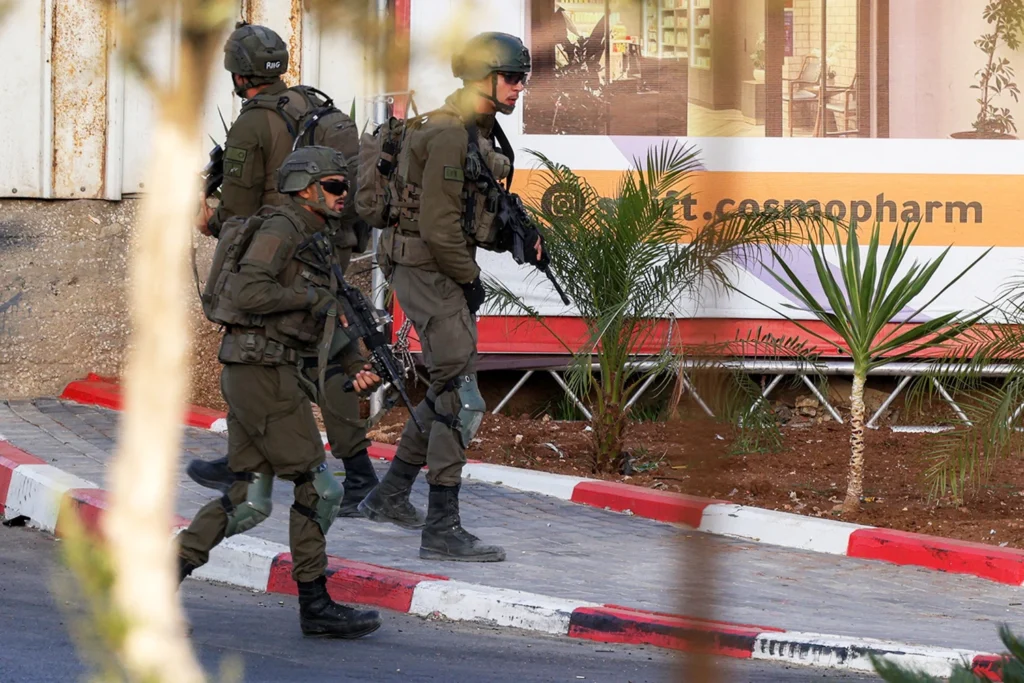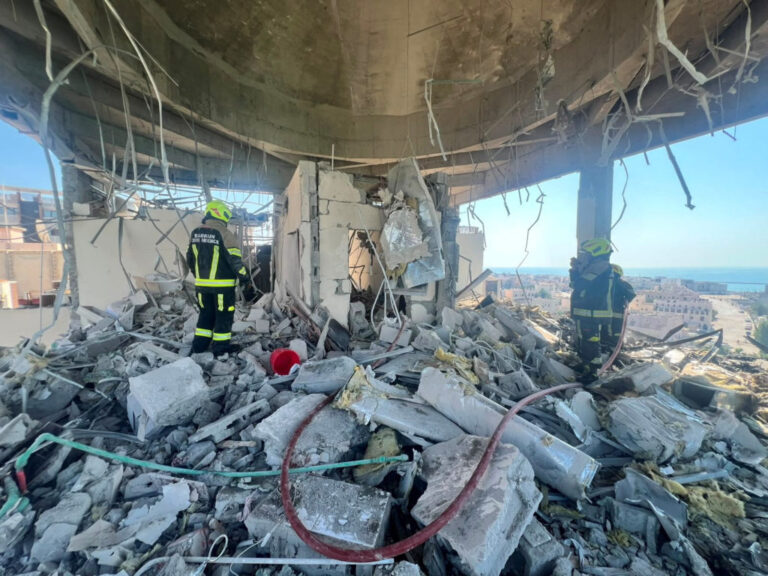
Iran launched another wave of drone and missile attacks targeting Bahrain and Kuwait on Sunday following fresh U.S. airstrikes, while warning that negotiations to end the conflict could collapse if Washington continues its military campaign.
The latest attacks came amid mounting tensions over the future of the Strait of Hormuz, a vital global shipping route that has become a central issue in ongoing diplomatic efforts.
Iran has strongly opposed attempts to reopen the waterway without its oversight. In response to continued disruptions, a multinational maritime coalition overseen by the U.S. Navy announced on Saturday that it would expand a shipping corridor near Oman to facilitate the safe movement of commercial vessels entering and leaving the Gulf.
Speaking on Sunday, Iranian Foreign Minister Abbas Araghchi insisted that Tehran must retain authority over the strategic strait.
“Any attempt to establish new or separate arrangements from those currently being carried out by the Islamic Republic of Iran will only lead to further complications, delay the reopening of the Strait of Hormuz and increase the level of tension,” he said.
Despite the renewed hostilities, diplomatic efforts remain underway.
Pakistan, which has been serving as a key mediator between Washington and Tehran, said negotiations are expected to resume on Tuesday. The Trump administration also said talks remain on schedule, stressing that no meetings have been canceled and that technical discussions will proceed in the coming days.
Negotiators are expected to address several major issues, including security arrangements in the Strait of Hormuz, the lifting of the U.S. blockade on Iranian ports, sanctions relief, and the future of Iran’s stockpile of highly enriched uranium.
The two sides have a 60-day window, established under a memorandum of understanding signed earlier this month, to negotiate the details of a broader agreement.
However, the fragile diplomatic process faces additional challenges as violence continues in Lebanon. Under the interim agreement, fighting across all fronts must cease before negotiations can advance on several key issues.
The latest exchanges have heightened concerns that renewed regional conflict could complicate efforts to secure a lasting agreement between the United States and Iran.