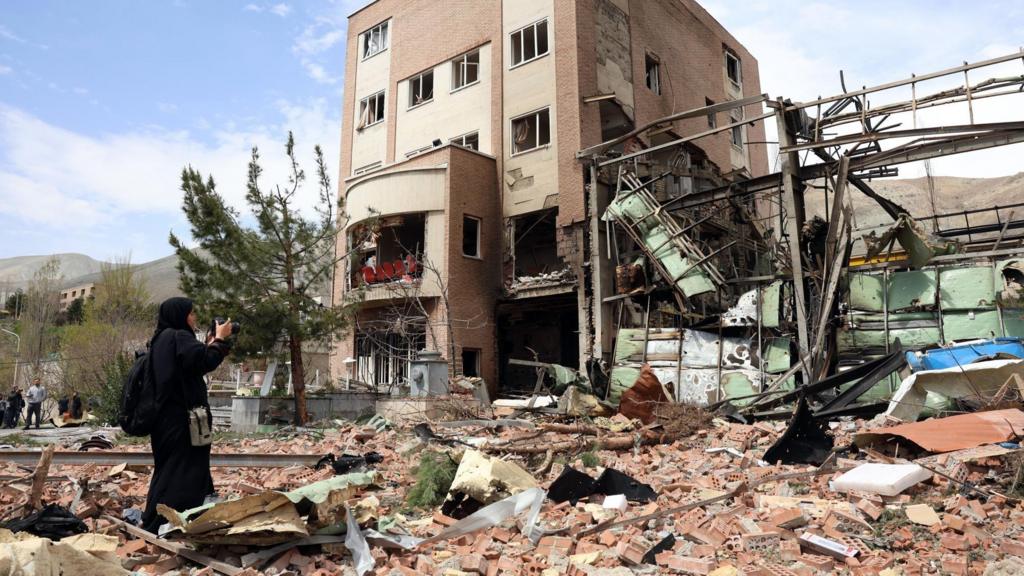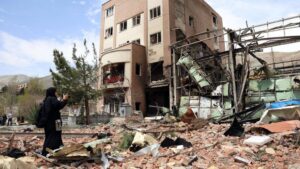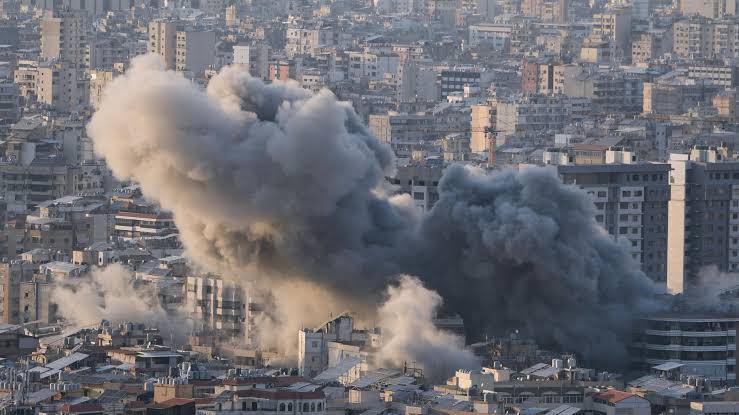
Several Nigerians were among more than 140 people injured after Iran launched ballistic missiles and drones at the United Arab Emirates, intensifying tensions across the Gulf region.
The attack, confirmed by the UAE Ministry of Defence, occurred on March 14 when the country’s air defence systems intercepted multiple incoming projectiles.
According to the ministry, nine ballistic missiles and 33 unmanned aerial vehicles were launched from Iran during the assault, leaving six people dead and 141 others injured, including several foreign nationals.
Authorities said the victims included citizens of the UAE and expatriates from countries such as Pakistan, Nepal and Bangladesh, while residents from Nigeria and several other nations were among those wounded.
Officials added that since the beginning of the confrontation, UAE defence systems have intercepted hundreds of projectiles, including 294 ballistic missiles, 15 cruise missiles and about 1,600 drones fired from Iran.
The strikes have heightened concerns within the Nigerian community living in the UAE, particularly in major cities like Dubai, Abu Dhabi and Sharjah, where many Nigerians work in sectors such as construction, hospitality and trade.
The incident also adds to growing instability in the Middle East as hostilities between Iran and Western-backed forces escalate.
Regional reports indicate that the strikes were carried out in response to military actions by the United States and Israel against Iranian positions.
Meanwhile, Iran’s elite military unit, the Islamic Revolutionary Guard Corps, warned that facilities linked to US interests in the UAE—including ports and military installations—could remain targets if the conflict continues.
The UAE defence ministry stated that its security forces remain on high alert and are prepared to respond to any further threats.
As of the time of reporting, Nigeria’s Ministry of Foreign Affairs led by Yusuf Tuggar had not issued an official statement on the incident.