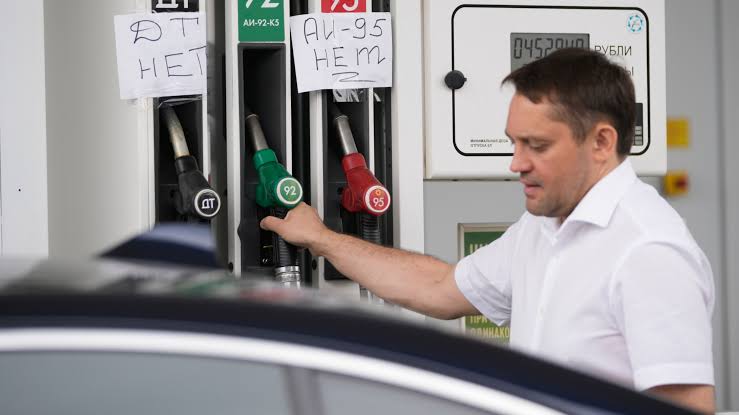
Long lines at gas stations and growing fuel shortages are fueling frustration across Russia as months of Ukrainian attacks on oil infrastructure continue to disrupt fuel production and distribution.
The sustained strikes on Russian refineries have tightened fuel supplies, forcing authorities in several regions to introduce fuel rationing while motorists endure hours-long waits at service stations.
Videos circulating on social media show vehicles stretching along roadsides as drivers express anger over empty fuel pumps, limited supplies and rising prices.
In the Siberian city of Irkutsk, local officials took the unusual step of providing portable toilets for motorists waiting in lengthy queues after Mayor Ruslan Bolotov ordered additional facilities to accommodate the crowds.
The fuel crisis marks an extraordinary development for Russia, one of the world’s largest oil and gas producers, and has brought the effects of the war in Ukraine closer to everyday life for many Russians.
Now in its fifth year, the conflict has increasingly affected domestic infrastructure and economic activity, with repeated Ukrainian drone and missile strikes targeting Russia’s energy sector.
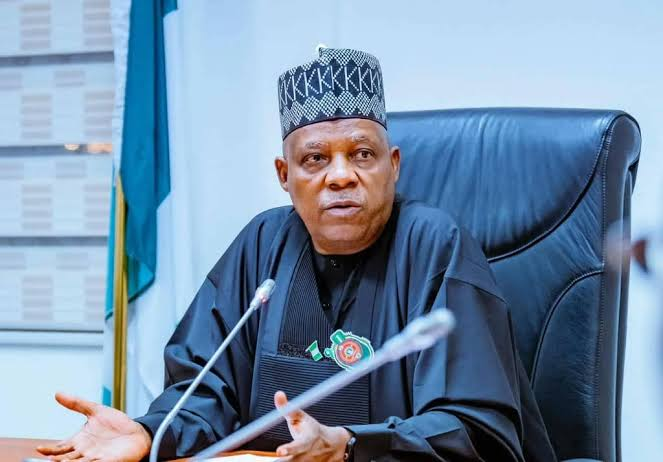
President Vladimir Putin acknowledged the difficulties during recent remarks, conceding that fuel shortages remain a challenge for both consumers and businesses.
“Problems persist for both motorists and businesses,” Putin said, noting that drivers continue to face long queues and difficulty finding the fuel grades they need.
The Russian leader maintained, however, that the shortages are “temporary” and “not critical.”
Despite those assurances, frustration continues to mount among motorists, including in Moscow, where residents are typically less exposed to the economic disruptions affecting more remote regions.
Analysts say the ongoing attacks on refineries have reduced processing capacity, complicating fuel distribution across the country and placing additional strain on domestic supplies.
As repairs continue and demand remains high, many Russians face uncertainty over when fuel availability will return to normal, underscoring the growing domestic impact of a war that has increasingly reached beyond the battlefield.