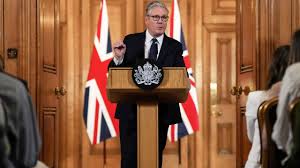
Britain will prohibit children under the age of 16 from accessing a range of social media platforms, Prime Minister Keir Starmer announced on Monday, describing the move as “a big moment for our country.”
Speaking at a news conference, Starmer said the government was determined to protect children from harmful online content and excessive screen time, warning that he would challenge technology companies if they resisted the new restrictions.
“I am not prepared to compromise on the safety and happiness of our children,” the prime minister said.
The policy places the United Kingdom among a growing number of countries tightening regulations on children’s access to social media. Nations including Australia, Canada, Brazil and Indonesia have introduced or proposed age-based restrictions, while several others are exploring similar measures.
According to the government, the ban will apply to major platforms including TikTok, Instagram, Facebook, Snapchat, YouTube and X. Messaging services such as WhatsApp and Signal will be exempt.
Starmer said the government would also introduce safeguards to prevent adults from contacting children through gaming and livestreaming platforms. The new rules are expected to take effect early next year.
The prime minister said he hopes the policy will lead to a significant reduction in children’s use of social media and encourage a broader cultural shift in how young people spend their time online.
“We want children to be able to grow up differently,” he said.
The government said it received more than 116,000 submissions during a public consultation process involving parents, children and representatives from the technology sector. Officials said more than 90 percent of respondents supported a ban for under-16s.
Among those welcoming the announcement was Esther Ghey, whose daughter Brianna was murdered in 2023 by two teenagers who had reportedly accessed harmful online content. Ghey said the measure could help protect children but stressed that it should be accompanied by broader support initiatives.
She welcomed government plans to invest in after-school programmes, saying children need positive alternatives rather than simply having online access restricted.
The proposal could add to tensions between Britain and the United States. The U.S. government has previously expressed concerns that online regulations should be narrowly tailored and avoid infringing on free speech protections. Washington has also raised concerns about the potential impact on American technology companies.
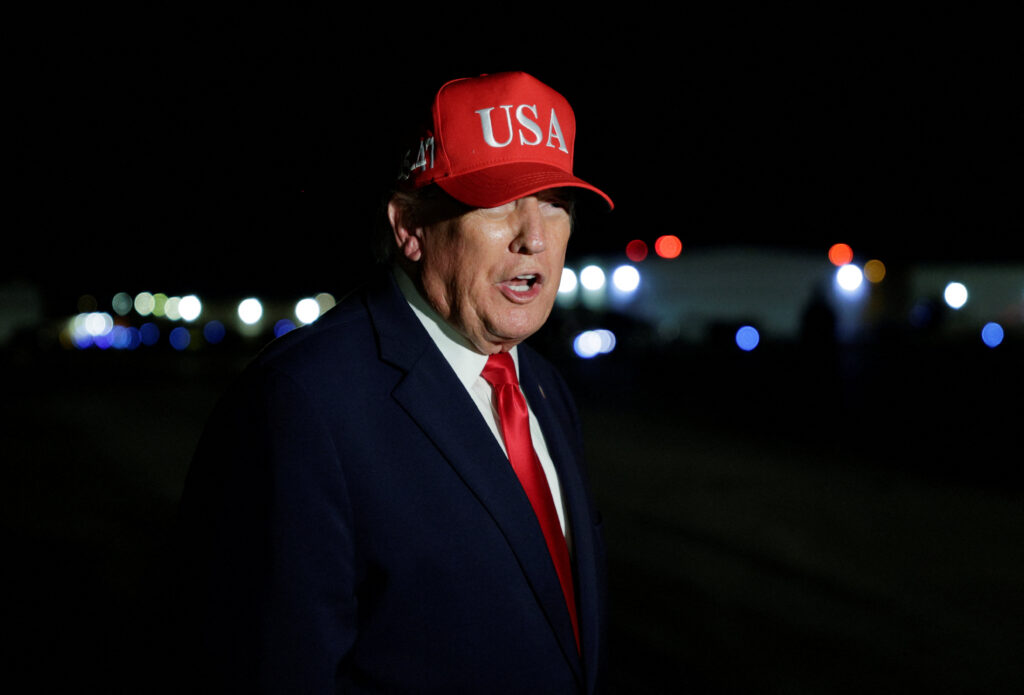
Starmer said he expected to discuss the issue with U.S. President Donald Trump and other leaders during the upcoming Group of Seven summit in France.
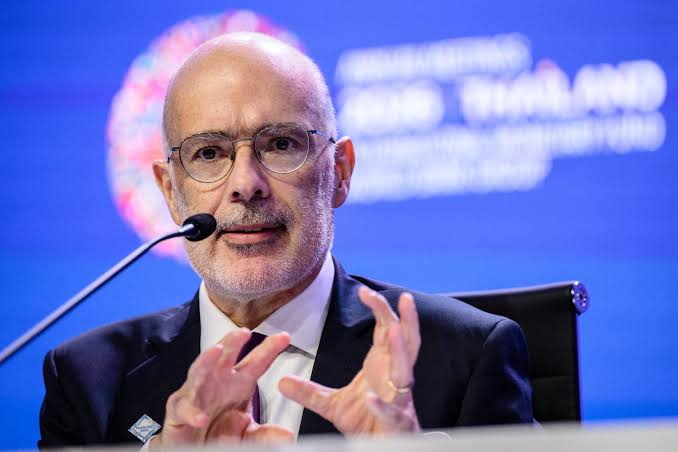
Despite broad public support, some experts remain skeptical about the effectiveness of age-based restrictions. Jon Crowcroft, a communications systems professor at University of Cambridge, warned that determined users could migrate to less regulated platforms and argued that regulating platforms themselves may be a more practical solution.
“There is a real risk this will drive some users to worse sites,” Crowcroft said, adding that monitoring individual devices is technically difficult while platform regulation is easier to enforce.
The debate highlights the growing challenge governments face in balancing child safety, online freedom and the role of technology companies in protecting young users.