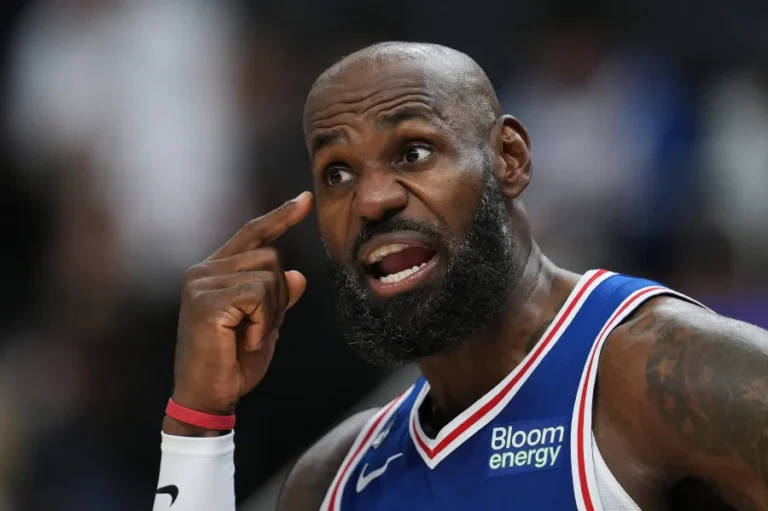
The lawsuit, filed Tuesday in a U.S. District Court in New York, alleges that California-based PlayVision Inc. deliberately used James’ celebrity status to market its application, known as “Bron,” without obtaining his authorization.
Attorneys representing the Philadelphia 76ers star described the company’s actions as a deliberate attempt to capitalize on his global reputation and create the misleading impression that he endorsed or was affiliated with the platform.
The lawsuit asks the court to prohibit the company from using James’ name, likeness and associated trademarks in its marketing activities.
His legal team is also seeking the surrender of profits allegedly generated through the unauthorized campaign, compensation reflecting the fair market value of his endorsement and additional punitive damages.
According to the complaint, the developers intentionally created a false association between James and the application to increase downloads and attract paying subscribers.
The Associated Press reported that attempts to obtain comments from the company’s founders were not immediately successful.
PlayVision Inc. was founded in 2025 by Chief Executive Officer Anish Gupta and Chief Technology Officer Marc Zoghby, with financial backing from startup accelerator Y Combinator.
The company initially developed artificial intelligence technology designed to analyze sports footage for athletes, teams and fans.
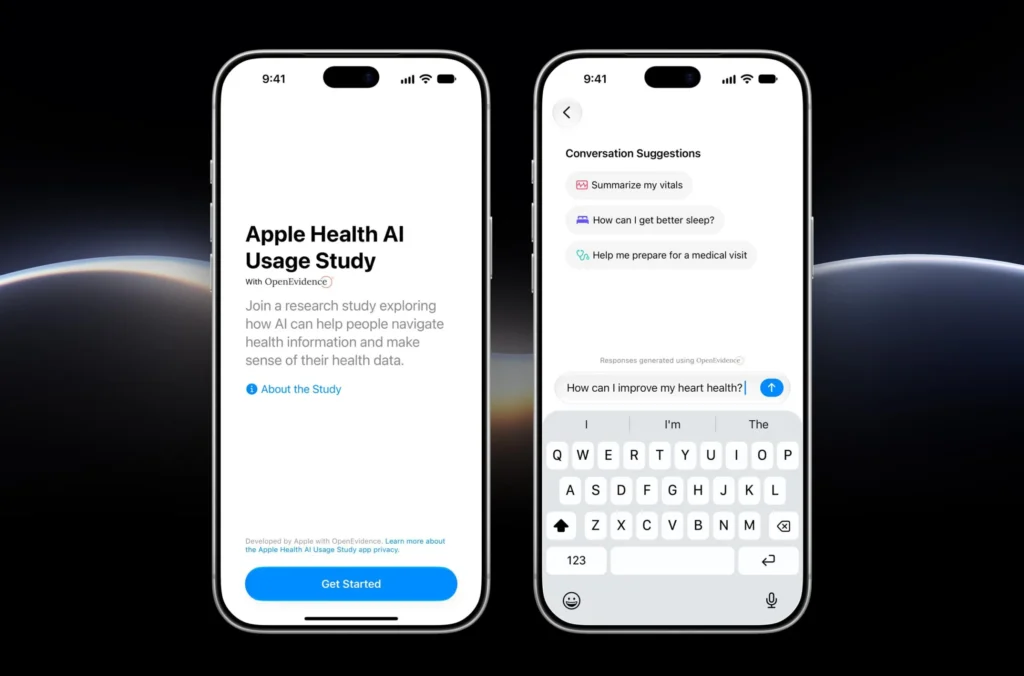
Earlier this year, it introduced the Bron application, a subscription-based platform offering sports-betting tools, including odds comparisons and bet tracking. The company says the application does not directly accept wagers.
However, controversy erupted after PlayVision launched an advertising campaign featuring an AI-generated character closely resembling James.
The promotional material depicted the character sitting in a locker room and browsing the application while wearing James’ signature No. 23 jersey. The advertisement also reportedly replicated his physical appearance, tattoos and voice.
James’ attorneys subsequently issued a cease-and-desist letter demanding that the company stop using his identity in its promotional activities.
Although the advertisement was removed, the lawsuit claims it had already been reposted and viewed approximately one million times.
Following the legal demand, Gupta announced on social media that the company intended to rename the application.
However, James’ attorneys argued that the delay in adopting a new name suggested the developers were continuing to benefit from the publicity surrounding the controversy.
Gupta indicated this week that the application’s new name would be announced Wednesday.
The lawsuit highlights the substantial commercial value of James’ personal brand, noting that the basketball superstar typically commands tens of millions of dollars for endorsement agreements.
It also points to his existing exclusive partnership with Polymarket, a prediction market platform.
His attorneys argue that the unauthorized advertisement could damage his commercial interests and reputation, particularly because the AI-generated version of James was shown browsing bets involving NBA players.
The complaint maintains that such imagery could create misleading perceptions about the athlete’s involvement in sports betting.
The lawsuit underscores growing concerns surrounding the use of artificial intelligence to replicate the voices, appearances and identities of celebrities without their permission.
As AI-generated advertising becomes increasingly sophisticated, public figures and businesses are confronting new challenges involving intellectual property rights, unauthorized endorsements and misleading promotional content.
The case could have broader implications for technology companies seeking to use AI-generated likenesses in commercial advertising.
For James, the legal action represents an effort to protect his personal brand, commercial partnerships and authority over how his identity is used.
The allegations against PlayVision and its founders have yet to be adjudicated in court.