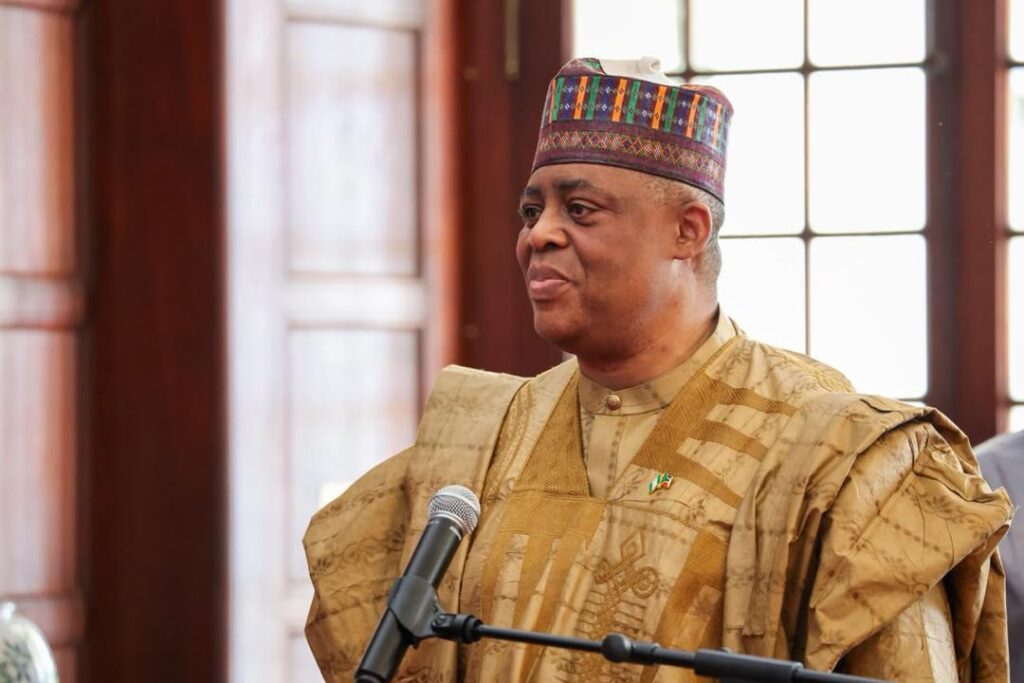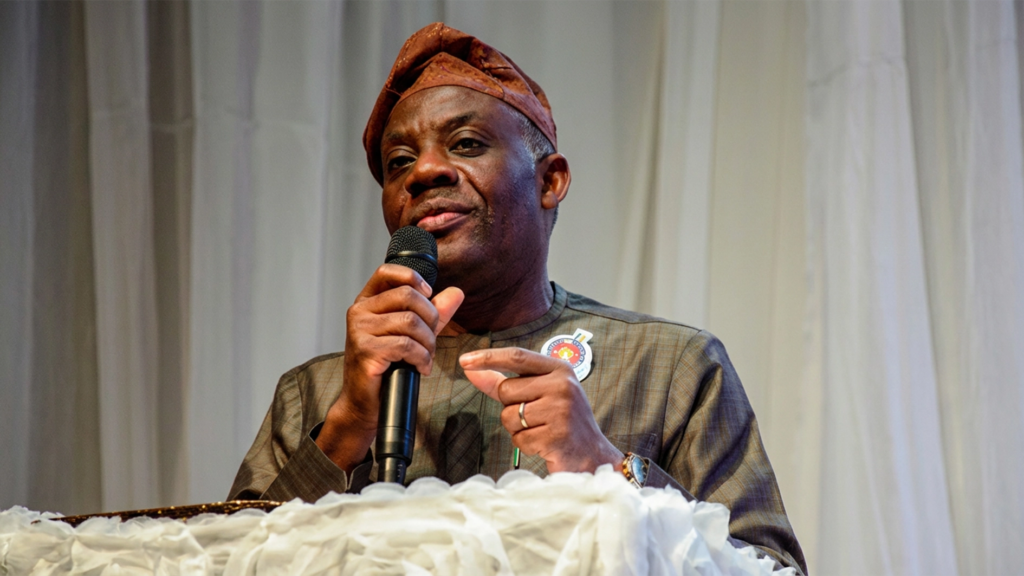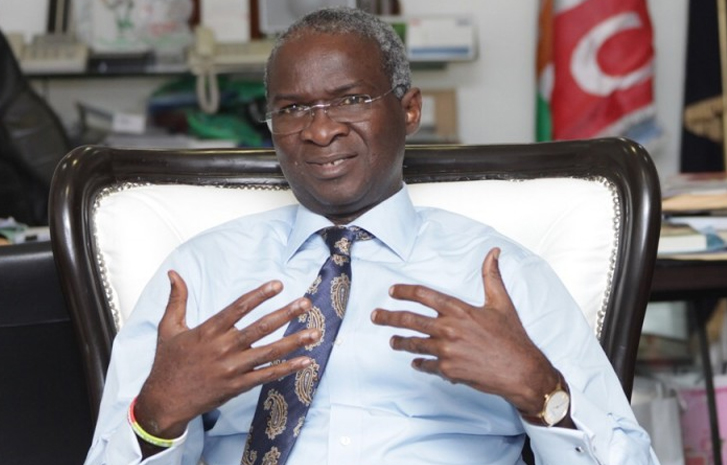
Former Minister of Works and Housing, Babatunde Fashola, has challenged the feasibility of African Democratic Congress (ADC) presidential candidate Atiku Abubakar’s plan to reinstate fuel subsidy if elected president in 2027.
Fashola argued that the proposal failed to address how Nigeria would secure sufficient crude oil to support domestic refineries and sustain the cost of subsidising petroleum products.
Speaking on Channels Television’s Politics Today on Tuesday, the former Lagos State governor pointed to persistent crude oil production challenges, pipeline vandalism and insecurity as major obstacles to the plan.
He questioned where the additional crude oil needed to sustain the arrangement would come from, insisting that Atiku must provide a clear explanation of how the policy would work.
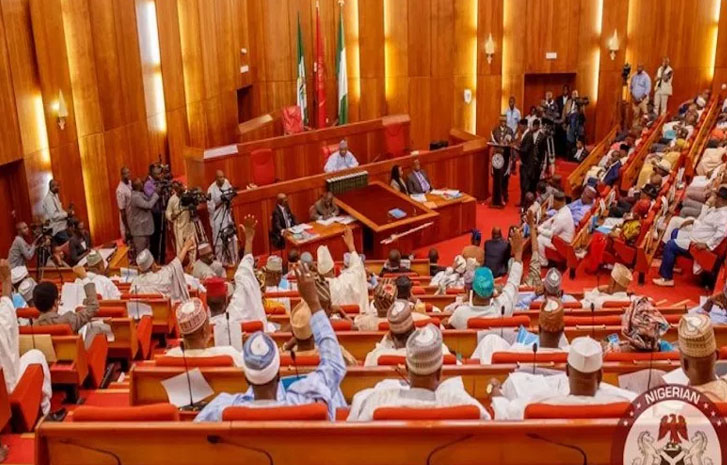
Fashola also raised concerns about the financial and legislative implications of reversing the subsidy removal, noting that reinstating the policy would require lawmakers to provide the necessary legal backing.
He warned that returning to the subsidy regime could place additional pressure on government finances and reduce allocations to state governments, recalling the financial difficulties states experienced under the previous arrangement.
The former minister further questioned Atiku’s change of position, noting that the major presidential candidates in the 2023 election had supported subsidy removal.
Atiku announced in August 2026 that he would restore fuel subsidy if elected in 2027. However, he proposed a temporary and audited arrangement based on locally refined petroleum products, rather than returning to the previous import-dependent system.
He argued that the policy would help lower petrol, transportation and food costs while reducing the economic burden on Nigerians.
President Bola Tinubu announced the removal of fuel subsidy during his inauguration on May 29, 2023, citing the financial burden it placed on government resources.
The decision, alongside the unification of the foreign exchange market, was followed by higher petrol prices and increased living costs.
While Atiku has criticised the economic impact of the Tinubu administration’s reforms, the president and the ruling All Progressives Congress (APC) have opposed his proposed return to subsidy, warning of its potential impact on government finances.