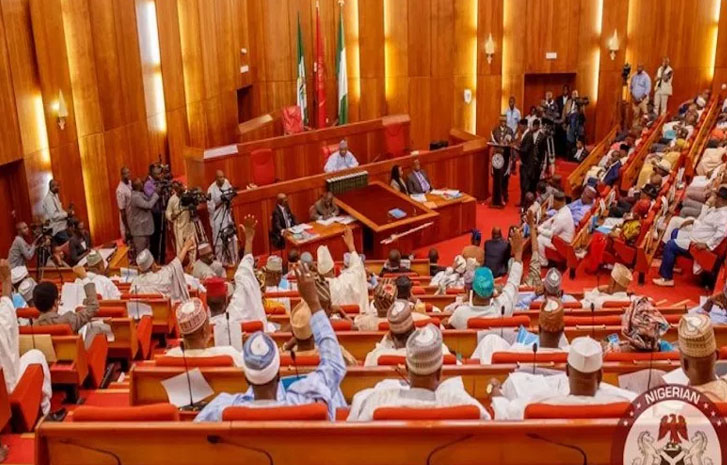
The Senate has urged the Independent National Electoral Commission (INEC) to disqualify political candidates implicated in electoral violence, irrespective of party affiliation, as preparations intensify for the 2027 general elections.
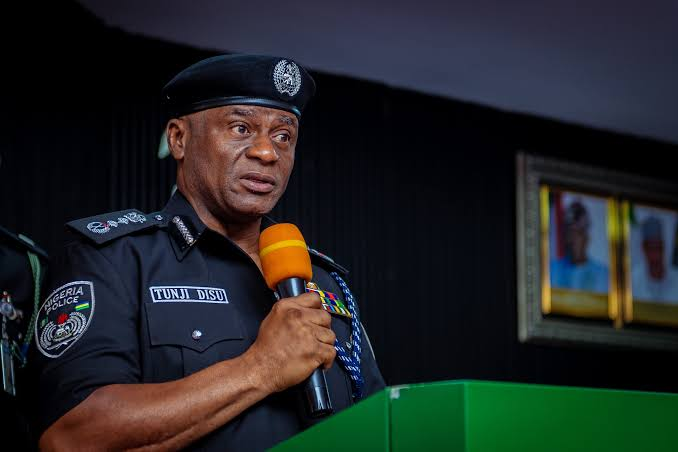
The lawmakers also directed the Nigeria Police Force to investigate recent attacks on political convoys, identify those responsible and ensure they face prosecution.
The resolutions followed a motion on rising political violence, intolerance and attacks on politicians and their supporters ahead of the elections.
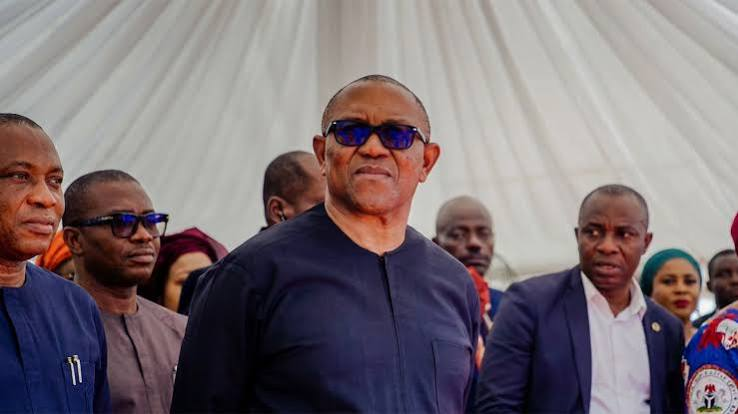
During deliberations, the Senate condemned attacks on the convoys of Nigeria Democratic Congress (NDC) presidential candidate, Peter Obi; his running mate, Senator Rabiu Kwankwaso; and President Bola Tinubu at the Shehu Shagari Central Mosque in Abuja last Friday.
The motion, sponsored by Senator Abdul Ningi, representing Bauchi Central, also raised concerns over the reported attack on the convoy of African Democratic Congress (ADC) presidential candidate, Atiku Abubakar, in Sokoto State.
Ningi warned that unchecked political violence could undermine national security, deepen political divisions and discourage voter participation in the 2027 elections.
He called for thorough and impartial investigations, insisting that those found culpable must be prosecuted.
Seconding the motion, Senator Ali Ndume (APC, Borno South) described the attack on Tinubu’s convoy as an embarrassment to the country, particularly because it occurred at a mosque on a Friday.
Ndume said the 78 people reportedly arrested might have faced a different fate if the President had a military mindset, adding that security agencies must prevent dangerous objects from being taken to campaign venues.
“During campaigns, the police should ban any harmful equipment; anybody who is caught with knives or sticks should be prosecuted,” he said.
He also proposed establishing special courts to handle cases involving political violence during campaigns.
However, Senator Kawu Sumaila (APC, Kano South) opposed the proposal for special courts at campaign grounds, arguing that political candidates should also be held responsible when their supporters are found carrying dangerous weapons.
He further urged the relevant Senate committees to submit their reports within one week rather than four weeks.
“I align myself with the recommendations of the motion. But it is across all parties. You see candidates with police escorts and thugs. Let the candidates be prosecuted if their supporters are found with dangerous weapons,” he said.
Similarly, Senator Abba Moro (PDP, Benue South) urged security agencies to enforce existing provisions of the Electoral Act against electoral violence.
“We have various sections in the Electoral Act to tackle election violence. We need to urge the security agencies to prosecute,” he said.
Moro warned that continued attacks could discourage voters from participating in elections and threaten the country’s democratic process.
“If this is not nipped in the bud, then certainly, our election and electoral process will be in danger. It will cause voter disenfranchisement; voters will be so scared even to vote; what then will become of our democracy?” Moro said.
In his closing remarks, Senate President Godswill Akpabio called on INEC to enforce the Electoral Act strictly, particularly provisions addressing electoral violence.
He maintained that candidates and their supporters should face the consequences of their actions regardless of political affiliation.
“Any candidate or supporter caught instigating violence, then INEC has the right to disqualify. We should call the attention of INEC to the 2026 Electoral Act; no matter the political party, such a candidate should immediately be disqualified. They are embedded in the 2026 Electoral Act and require strong implementation,” the Senate President said.
Akpabio subsequently directed the Senate Committees on National Security and Intelligence, Police Affairs, and INEC to consult relevant institutions and submit their report to the chamber within four weeks.