Transportation Secretary Sean Duffy and President Donald Trump have intensified demands for greater investment in the Federal Aviation Administration, arguing that outdated technology and longstanding infrastructure problems have left the nation’s air traffic control system in urgent need of modernization.
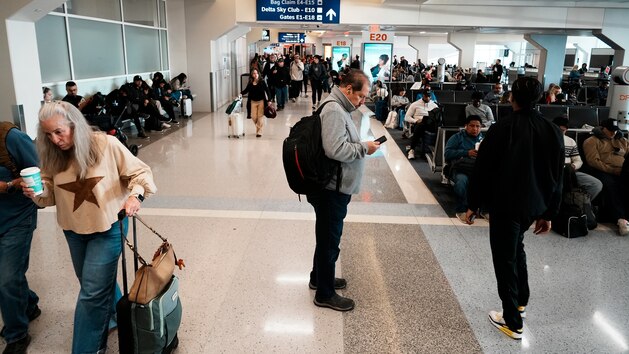
The calls follow last week’s nationwide flight disruption, which placed the FAA’s technological capabilities and funding requirements under renewed scrutiny.
Duffy is now seeking an additional $50 billion to address the problems, a substantial increase from previous funding estimates.
The request comes as Congress enters the final weeks of its legislative session, raising questions about whether lawmakers will approve additional funding before the end of the year.
Congress previously approved $12.5 billion for air traffic control improvements under Trump’s sweeping tax and spending legislation, commonly referred to by the president as the “One Big Beautiful Bill.”
However, the administration has repeatedly revised its estimates of how much additional funding will be required to complete the modernization project.
When the Department of Transportation announced plans to develop a new air traffic control system in 2025, officials estimated that an additional $20 billion would be needed beyond the congressional allocation.
The proposed overhaul was intended to replace outdated infrastructure, modernize communication systems and introduce advanced digital technologies capable of improving the efficiency and reliability of air traffic operations.
At the time, the department outlined an ambitious goal of completing the modernization effort by 2028.
Despite the Transportation Department’s earlier projections, FAA Administrator Bryan Bedford offered a considerably lower estimate during congressional testimony in September 2026.
Bedford told lawmakers that approximately $10 billion in additional funding would be sufficient to complete the modernization of the nation’s air traffic control system.
His assessment differed significantly from the department’s original $20 billion estimate and the much larger $50 billion request now being advanced by Duffy.
The changing projections have raised questions about the project’s actual financial requirements and the scope of infrastructure improvements being considered.
They also highlight the challenges facing federal officials as they attempt to modernize a complex aviation network while managing costs and maintaining operational safety.
The latest funding demand gained urgency following last week’s nationwide ground stop, which disrupted air travel and renewed attention on vulnerabilities within the country’s aviation infrastructure.
The incident prompted Trump and Duffy to publicly criticize the condition of the existing air traffic control system, emphasizing the need for significant technological improvements.
Administration officials argue that modernizing the system is essential to preventing future disruptions, strengthening aviation safety and ensuring that the United States can manage increasing air traffic demands.
The proposed upgrades would focus on replacing aging equipment, expanding digital communication capabilities and improving the technological infrastructure supporting air traffic controllers.
The administration’s request comes at a politically sensitive moment as the outgoing Congress works to complete its legislative agenda before the end of the year.
With lawmakers facing competing spending priorities, the proposed $50 billion increase could become a significant issue in federal budget negotiations.
The substantial differences between previous funding estimates and the latest request may also prompt closer congressional examination of the modernization program’s costs, timelines and expected benefits.
For the Trump administration, securing additional funding has become a priority following the aviation disruption.
However, uncertainty remains over how much Congress will ultimately allocate and whether the administration can achieve its previously announced 2028 modernization target.
The debate underscores a broader challenge facing the United States aviation industry: maintaining the safety and reliability of one of the world’s busiest air transportation networks while replacing infrastructure that officials say has become increasingly outdated.
As lawmakers consider the administration’s latest request, the future of the FAA modernization program will depend on whether Congress and federal aviation officials can reach an agreement on the funding necessary to complete the overhaul.