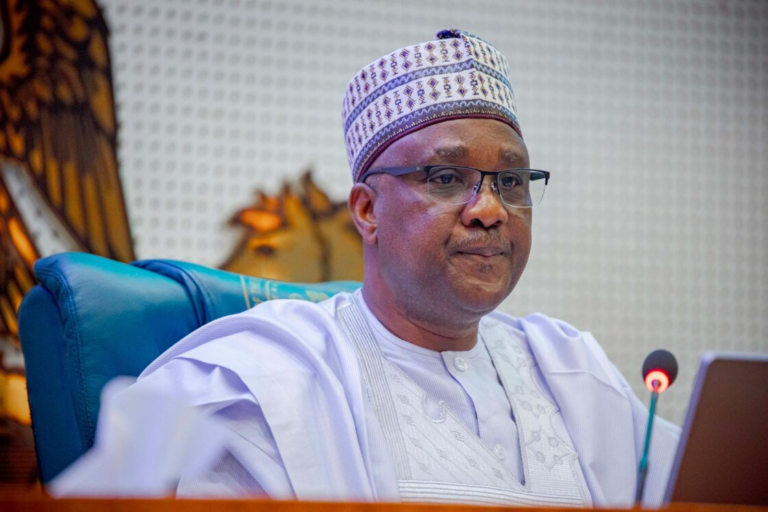
The Speaker of the House of Representatives, Hon. Abbas Tajudeen, has reaffirmed the Green Chamber’s commitment to promoting ethno-religious unity and tolerance across Nigeria.
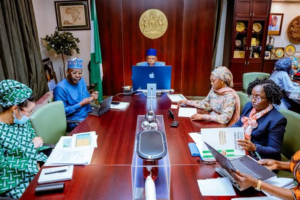
Abbas gave the assurance while hosting a delegation from Multi Faith Network US, a religious organisation that promotes interfaith unity and harmony globally.
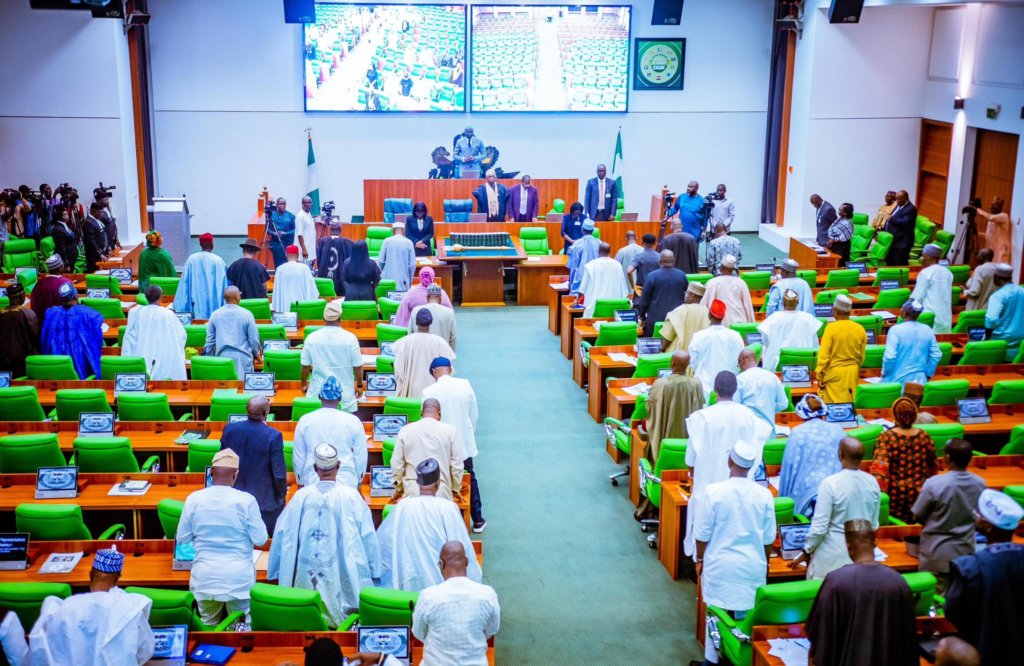
He said the House, known as ‘The People’s House,’ reflects Nigeria’s ethnic and religious diversity, stressing the need for the international community to better understand the country.
The Speaker agreed with the delegation that grassroots participation was essential to achieving lasting ethno-religious harmony, noting that lawmakers maintained direct contact with constituents across the country.
He added that members of the House had continued to work together across religious, tribal and ethnic divides, attributing their cooperation to mutual respect and tolerance.
“The Deputy Speaker is a staunch Catholic—he is a staunch Christian—and we have never, since over three and a half years of working together, had any issues relating to tribe or religion,” he said.
Abbas noted that the approach adopted by Multi Faith Network US aligned with the House’s efforts to foster unity among Nigerians.
Earlier, the leader of the delegation, Evangelist Roberts, accompanied by Daniel Langford, Terry Crist, Joel Rainey, Brian Lightsey and Dan Carlton, said the organisation was apolitical and focused on diplomacy and advocacy.
He explained that its membership comprised pastors and diplomats working to address religious issues worldwide, adding that it partnered with several international organisations, including USAID.
In Africa, Roberts said the organisation worked with the Gates Foundation, visiting hospitals and engaging with doctors, nurses and patients.
He said Multi Faith Network US approached religious freedom from two perspectives—law and culture—with both centred on grassroots sensitisation.
Speaking on religious persecution, Roberts said the organisation had facilitated meetings and engagements between Christians and Muslims until “they started loving one another.”
He described its approach as “trying to humanise religion,” explaining that the organisation encouraged people of different faiths to collaborate on community projects.
According to him, the approach had fostered solidarity among religious groups, with people “standing up for one another during crisis.”