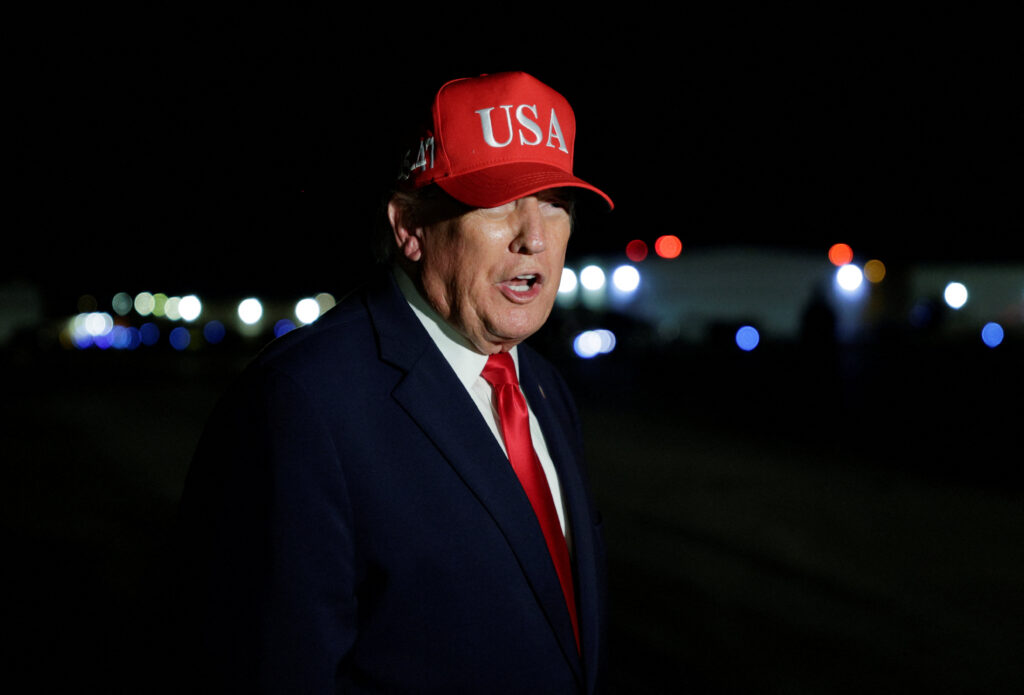
The executive order, signed Friday, prevents a series of additional economic penalties from taking effect on October 18, the deadline established by the legislation.
The move also suspends provisions that would have restricted the president’s authority to remove certain sanctions against Moscow.
As a result, the Trump administration will have significantly greater flexibility in determining which economic restrictions to maintain, modify or waive.
Although the order does not eliminate sanctions already imposed on Russia, it effectively neutralizes key enforcement requirements of the new law.
The legislation had been designed to impose additional economic pressure on Moscow through sanctions and tariffs while limiting the administration’s ability to ease those restrictions.
Trump’s decision marks a significant shift in the implementation of the law, allowing the White House to exercise broader discretion over future sanctions policy toward Russia.
The executive action comes as the United States continues to navigate its diplomatic relationship with Moscow amid the ongoing war in Ukraine.
With the October 18 deadline approaching, the order means that the additional penalties mandated by the legislation will not automatically take effect as originally scheduled.
The administration will instead retain greater authority to determine how and when economic restrictions against Russia are applied.
The decision raises questions about the future enforcement of the legislation and the extent to which sanctions will remain a central component of Washington’s approach to Moscow.