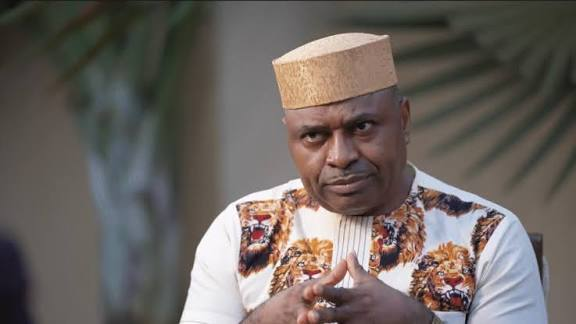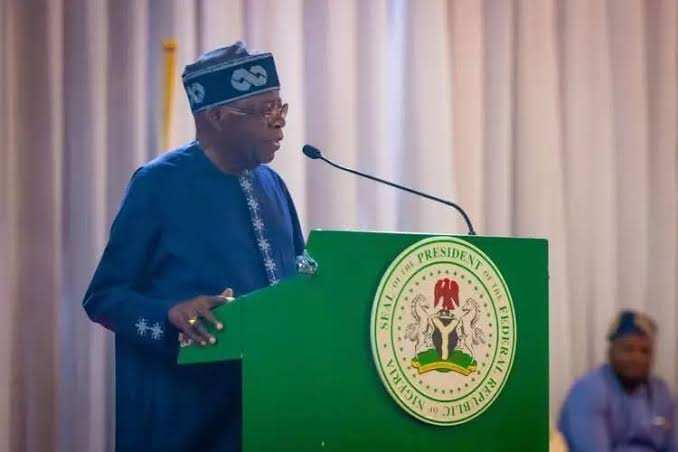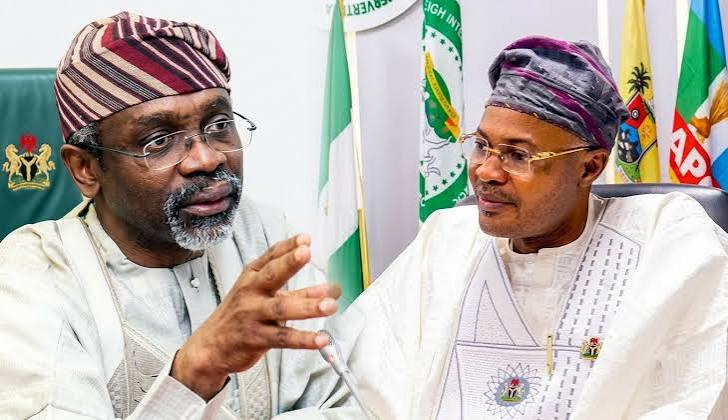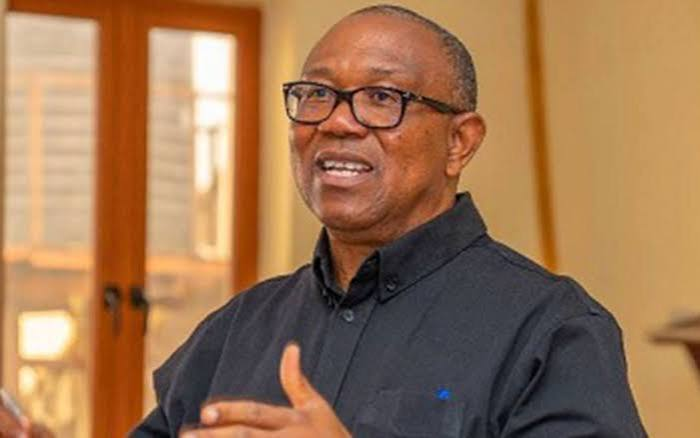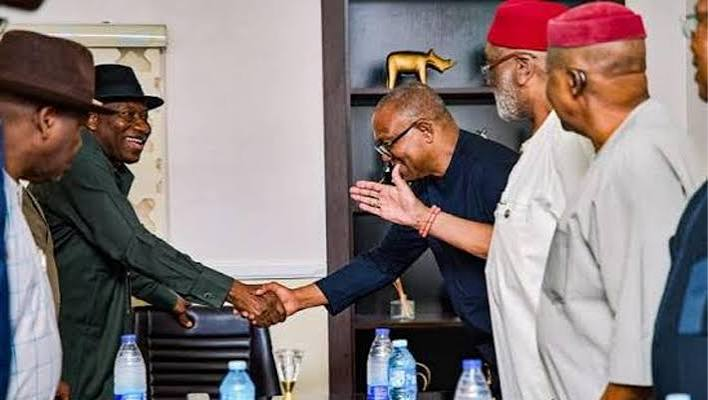
Former Presidents Olusegun Obasanjo and Goodluck Jonathan, alongside former Anambra State governor and Nigeria Democratic Congress (NDC) presidential candidate Peter Obi, have warned that Nigeria’s democracy is being undermined by serious institutional weaknesses requiring urgent reforms.
The trio raised the concerns at the 2026 Goodluck Jonathan Foundation Democracy Dialogue in Bauchi, which brought together political leaders, constitutional experts and civil society representatives to assess the state of democracy in Nigeria and Africa.
Key issues discussed included the credibility of elections, excessive post-election litigation, weakening democratic institutions, political exclusion and the growing winner-takes-all approach to political power.
Obasanjo, who chaired the dialogue, questioned whether the Western liberal democratic model adopted by Nigeria and other African countries adequately reflects the continent’s history, culture and political realities.
He argued that the system had encouraged a political culture where opposition parties and their supporters are viewed as enemies rather than legitimate participants in governance.
“The democracy we practice has no African context, no African content,” he said.
The former president also criticised the first-past-the-post electoral system, saying it enables a candidate who secures victory by a narrow margin to exercise almost complete control over political power.
“If you beat me by one vote, then you take it all and whatever I have does not matter,” he said.
Obasanjo called for a fundamental rethink of democratic governance across Africa, stressing that Nigeria’s political system must better accommodate the country’s diversity rather than allowing ethnic, religious and cultural differences to fuel division.
He also expressed concern about the role of money and inducements in elections, as well as the limited participation of women in political leadership since the beginning of the Fourth Republic.
Jonathan focused on the increasing dependence on the judiciary to settle electoral and political disputes, describing Nigeria’s post-election litigation culture as unusual compared with other African countries.
“The Nigerian situation is extremely different from most other African countries. The kind of election litigation we experience here is uncommon.”
While acknowledging the importance of an independent judiciary, the former president raised concerns about declining public confidence in some political judgments, particularly cases involving internal party disputes and the conduct of party primaries.
“Courts now determine who becomes a party’s candidate and, in some cases, which political party should be recognised,” he said.
Jonathan maintained that political parties should ordinarily determine their candidates, with courts intervening where there are clear violations of the law.
He also suggested that where electoral disputes become particularly contentious, returning the matter to voters through another election could be preferable to allowing prolonged litigation to determine political outcomes.
Obi, in his contribution, warned that the continued weakening of electoral and judicial institutions could have consequences for future generations.
Reflecting on his legal challenge to the 2023 presidential election result, Obi said he had previously seen the judiciary demonstrate sufficient independence to give citizens confidence that justice could prevail irrespective of political interests.
He said he spent three years challenging the result and secured favourable judgments from judges he said he had never met.
However, Obi expressed concern that institutions created to protect democracy were increasingly being weakened by political interests.
He questioned alleged electoral malpractice involving academics, changes to electoral laws, religious leaders openly supporting politicians accused of wrongdoing and judicial decisions that, in his assessment, raised questions about institutional independence.
“Where is our nation going?” Obi asked.
He warned that continued deterioration of democratic institutions would ultimately affect future generations.
“We need to reverse this, because the abuse we are allowing today will take its revenge on our children,” he said.
Jonathan further argued that democracy should be treated as an ecosystem involving political parties, electoral bodies, security agencies, the judiciary, civil society, the media, election observers and voters.
The speakers consequently advocated broader reforms aimed at restoring public confidence in democratic institutions and ensuring that political power is determined through credible elections rather than money, institutional manipulation or prolonged courtroom battles.