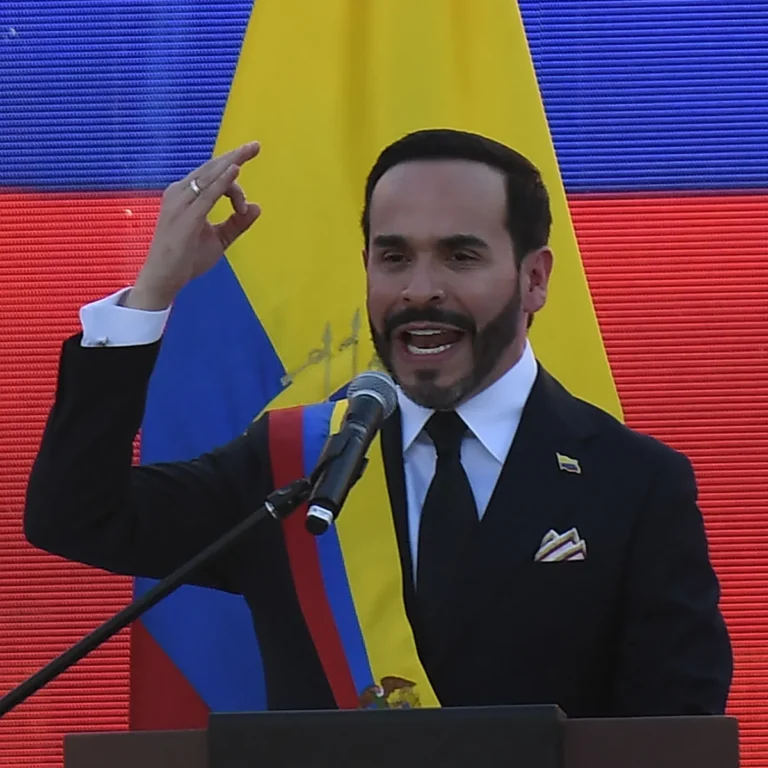
The Trump administration plans to provide Colombia with $1 billion in security assistance following the inauguration of the country’s new president, Abelardo De La Espriella, who has pledged an aggressive campaign against drug trafficking and armed groups.
The U.S. State Department announced the planned assistance shortly after De La Espriella was sworn into office on Friday, signaling closer security cooperation between Washington and Bogotá under the new administration.
De La Espriella, 48, won Colombia’s presidential runoff election in June after campaigning on promises to strengthen security, reduce the size of government by as much as 40% and revive the country’s oil and gas industry.
Speaking after his inauguration at the Pichincha Battalion military base in Cali, the new president said his administration would pursue sweeping changes aimed at restoring security and strengthening the economy.
“I have come to close a long chapter of national resignation and, together with the people, embark on the most profound transformation of our destiny,” De La Espriella said.
“The time has come to restore order, authority and freedom,” he added.
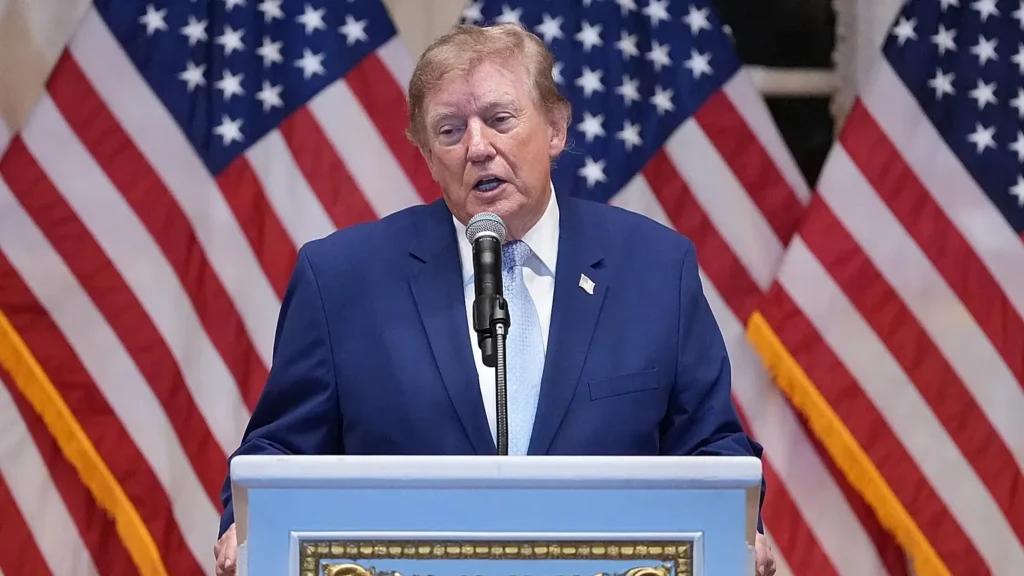
President Donald Trump endorsed De La Espriella before Colombia’s runoff election.
During his 75-minute inaugural address to military personnel, De La Espriella issued a warning to criminal organizations, drug-trafficking networks and armed groups operating across Colombia.
“Members of criminal gangs and narco-terrorist groups have two choices: submit to the rule of law or face the determined response of the Colombian state and its security forces,” he said.
The president also declared that the possibility of further peace negotiations with armed groups had been “completely exhausted,” signaling a significant shift toward a security-focused approach.
In announcing the proposed assistance, the U.S. State Department described the package as a cornerstone of a renewed partnership between Washington and Bogotá.
The department said the United States, working with Congress, intends to provide $1 billion in security assistance to support the new Colombian government’s efforts to achieve shared objectives.
De La Espriella’s victory comes amid a broader political shift in parts of Latin America, where concerns about crime, economic instability and public security have helped conservative and right-wing candidates gain electoral support.
Recent political changes in countries including Argentina, Chile, Ecuador, Bolivia, Panama and Peru have reflected changing voter priorities, particularly around security, economic management and the role of government.
The new Colombian administration now faces the challenge of implementing its ambitious security and economic agenda while confronting armed groups, drug trafficking and persistent economic pressures.