A new wave of fighting between Israel and Hezbollah has raised concerns about the stability of the recently signed U.S.-Iran agreement, as intense clashes in southern Lebanon threaten to undermine efforts to end months of regional conflict.
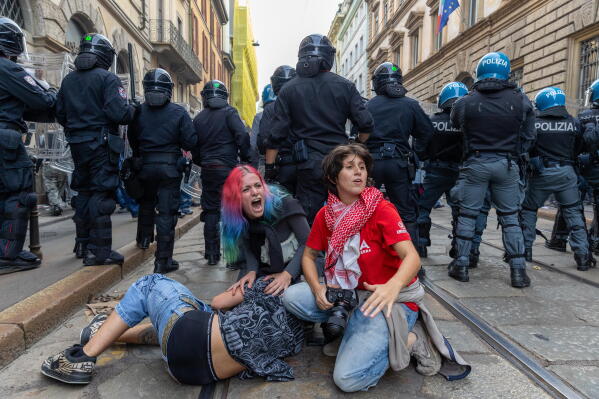
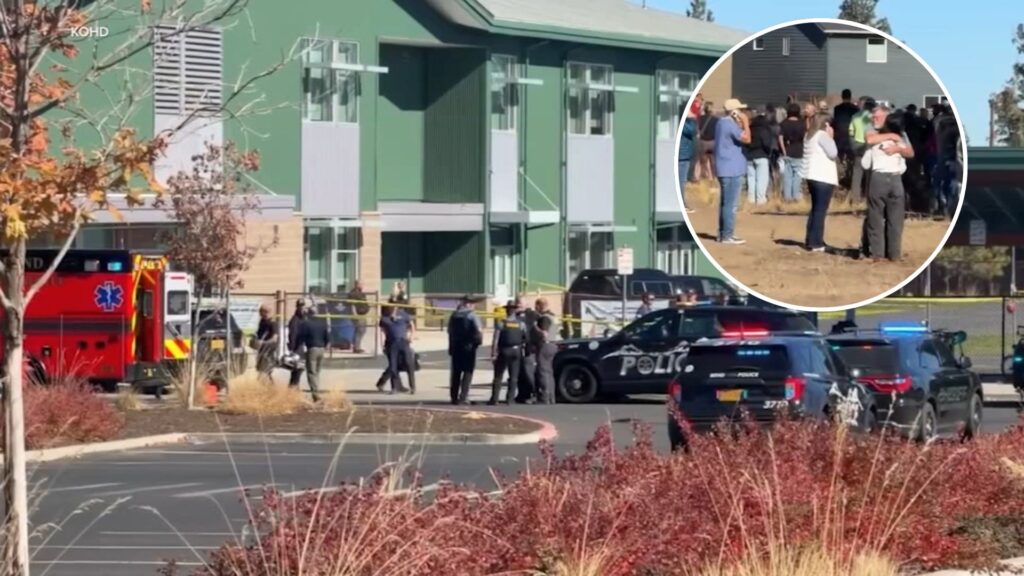
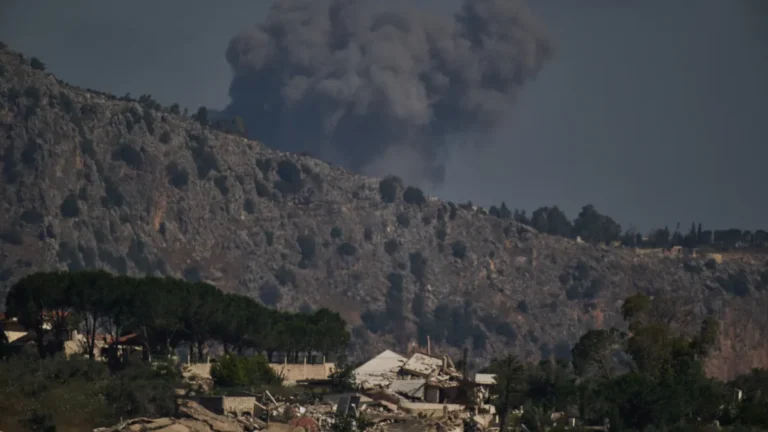
The Israeli military carried out overnight strikes across southern Lebanon into Friday, targeting what it described as militant positions. Hezbollah reported fierce fighting in the area, while Lebanese media said at least 18 people were killed in the attacks.
Israel also announced that four of its soldiers were killed during the latest escalation.
The violence highlights one of the most fragile aspects of the agreement reached between the United States and Iran. While the deal is intended to help end conflicts across the region, neither Israel nor Hezbollah is a direct signatory to the accord.
Despite that, the agreement is expected to contribute to a broader reduction in hostilities. Iran has indicated that it is prepared to risk renewed tensions in defense of its interests in Lebanon and its longstanding alliance with Hezbollah, widely regarded as Tehran’s most influential regional partner.
The latest fighting has already disrupted diplomatic efforts tied to the agreement. According to a regional official, Iranian representatives did not travel to Switzerland as planned for talks with the United States, citing concerns related to the renewed violence.
U.S. Vice President JD Vance also canceled his scheduled trip, prompting mediators to seek new dates for the negotiations.
The Switzerland talks were expected to focus on limitations to Iran’s nuclear program, a central issue that contributed to the outbreak of war between the United States, Israel and Iran on February 28.
Diplomats had also hoped the negotiations would lay the groundwork for a comprehensive peace settlement that could permanently end the conflict.
Despite the setbacks, the interim agreement has already produced one major outcome: the reopening of the Strait of Hormuz, one of the world’s most important energy corridors.
Earlier Iranian attacks and threats in the region severely disrupted shipping through the waterway, causing sharp increases in global oil and natural gas prices and raising fears of broader economic consequences.
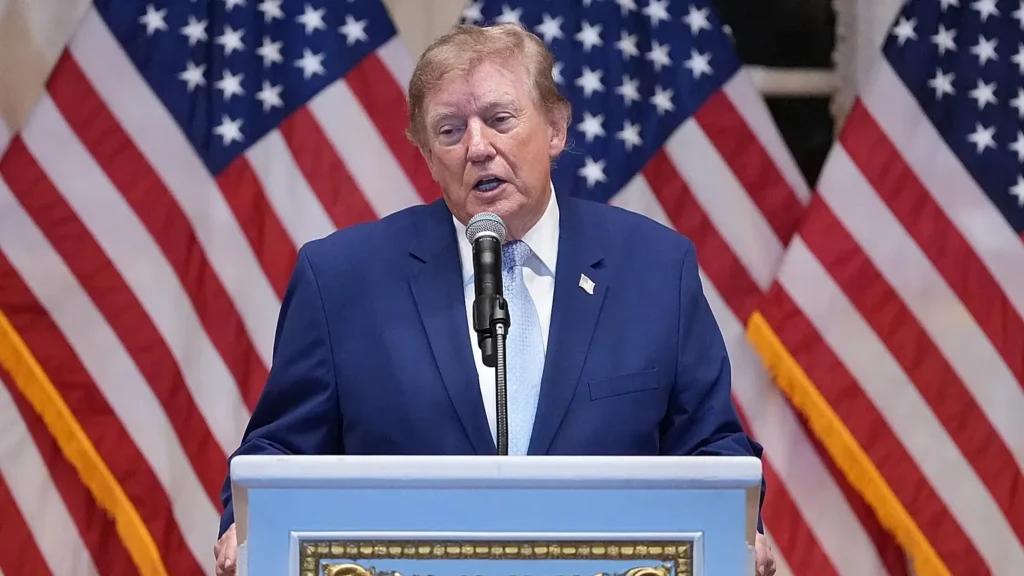
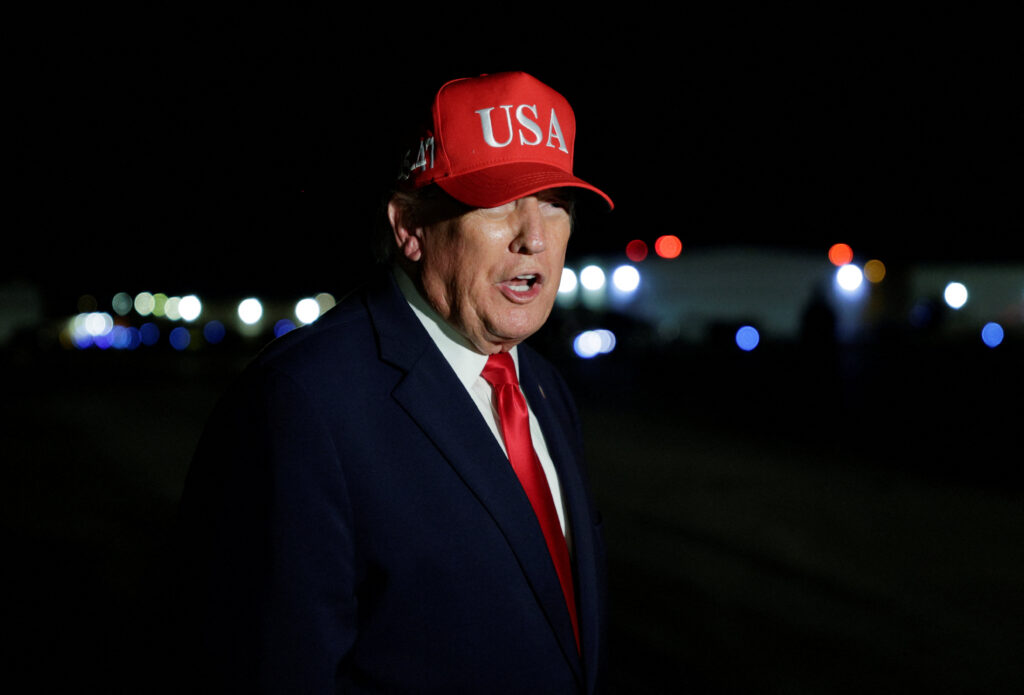
President Donald Trump has said the agreement was necessary to prevent what he described as a potential “economic catastrophe” for the United States and the wider global economy.
With fighting continuing in Lebanon and key diplomatic talks now delayed, the durability of the broader peace process remains uncertain.