The United States and Iran have signed a memorandum of understanding aimed at ending hostilities between the two countries and establishing a framework for future negotiations.
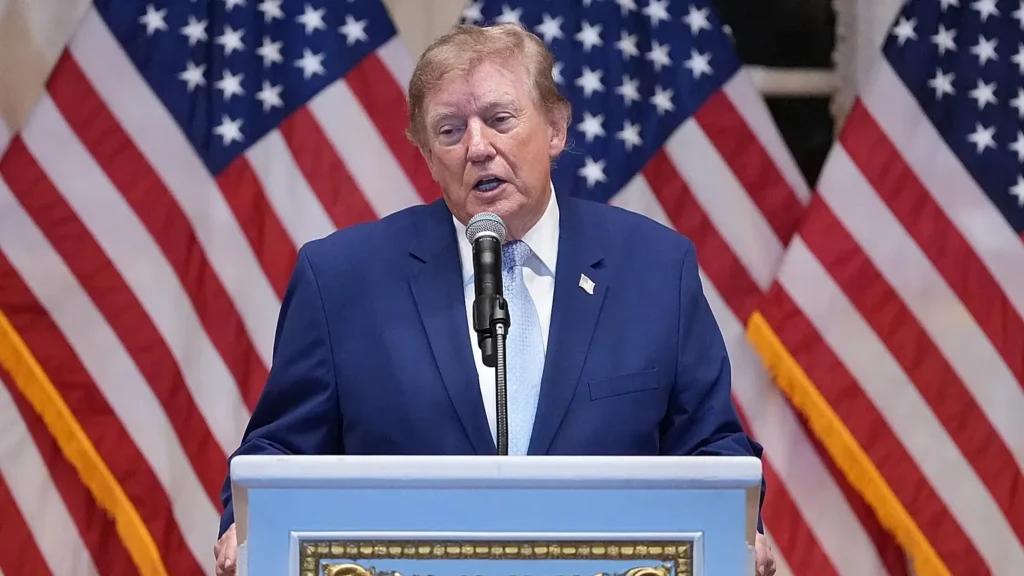
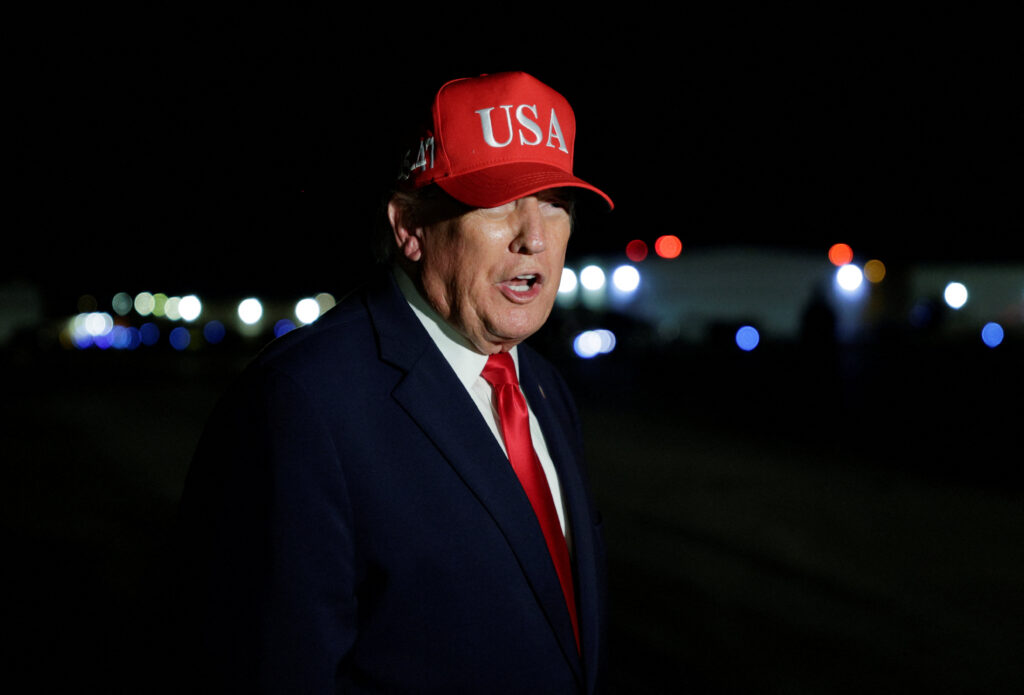
President Donald Trump signed the agreement Wednesday evening during the G7 summit in France, alongside French President Emmanuel Macron, who hosted the gathering.
Trump hailed the accord as a “historic” and “strong” agreement but warned that military action could resume if Iran fails to comply with its commitments.
“We’re going to bomb the hell out of them if they violate the agreement,” Trump said during a news conference following the signing.
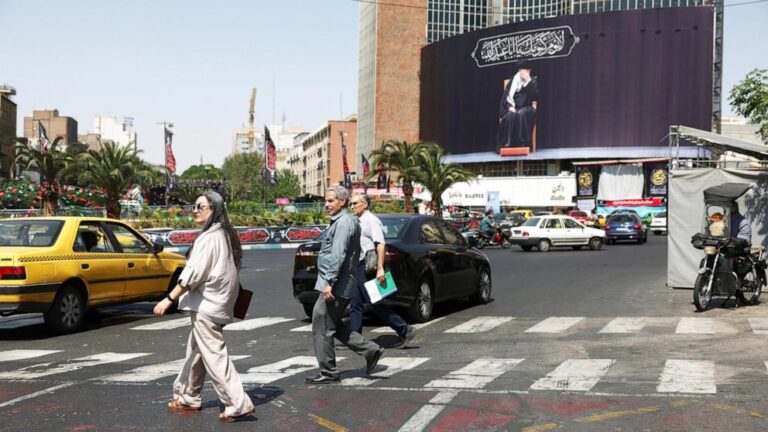
The memorandum is intended to halt ongoing hostilities and pave the way for broader diplomatic talks between Washington and Tehran. However, reaction inside Iran has been mixed, with some citizens expressing doubt that the agreement will lead to meaningful improvements in their daily lives.
Several Iranians told ABC News that while the deal may reduce the immediate threat of conflict, they remain skeptical about its long-term impact on the country’s economic and social challenges.
One Iranian resident, identified only as Sohrab for security reasons, said he found it difficult to be optimistic despite the announcement.
“I feel numb. I feel suspended. I can’t let myself believe anything good can happen,” said the 36-year-old fitness instructor from the city of Semnan, east of Tehran.
Sohrab said he was unconvinced that diplomatic progress would translate into better living conditions or economic opportunities for ordinary Iranians.
“Even if they get it through the MOU and the talks, I am sure they won’t fix people’s problems,” he said.
He argued that Iran’s leadership has historically failed to address the needs of its citizens, expressing little confidence that the agreement would result in investments in infrastructure, job creation or broader reforms.
The deal comes amid a period of political uncertainty in Iran following the death of former Supreme Leader Ali Khamenei, whom U.S. officials say was killed during a joint U.S.-Israeli military operation at the outset of the conflict. Iran is now reportedly led by his son, Mojtaba Khamenei.
While the agreement marks a significant diplomatic development, many observers say its ultimate success will depend not only on compliance by both governments but also on whether it can deliver tangible benefits to people affected by years of economic hardship and regional instability.